


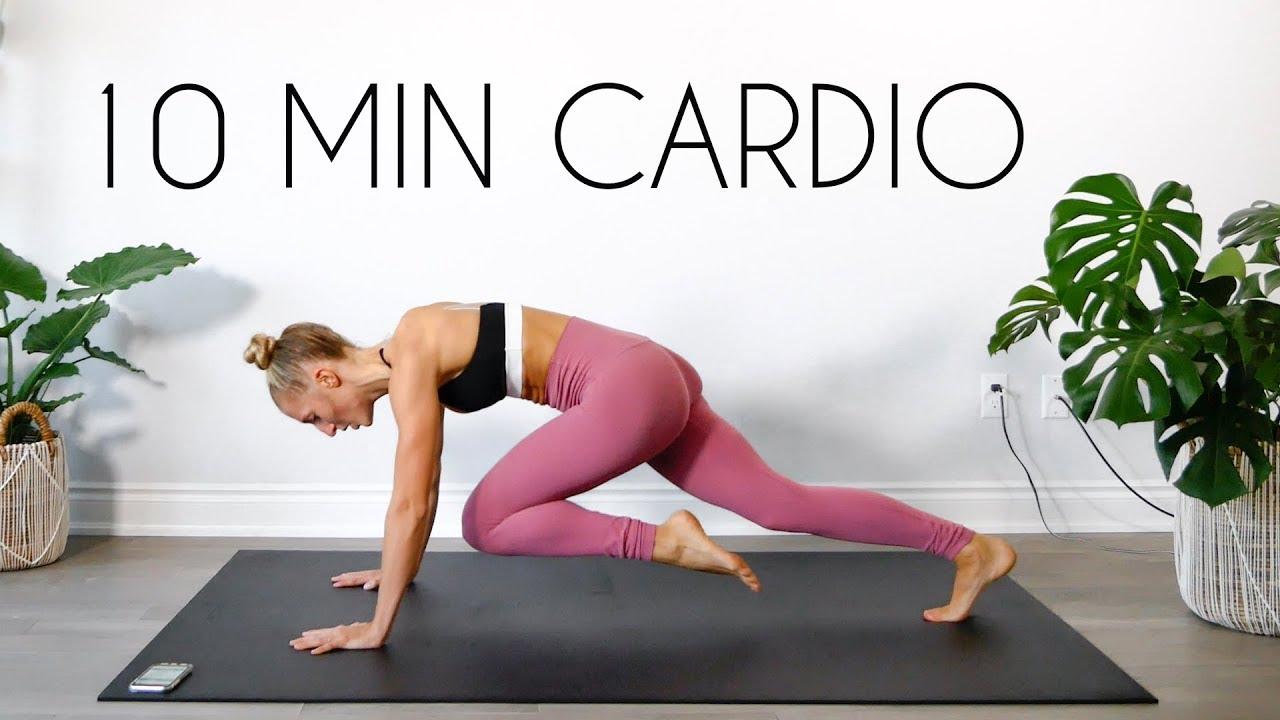
In our fast-paced world, where the boundaries between day and night often blur, the pursuit of restful sleep has become a universal quest. The connection between a vibrant lifestyle and restorative rest is a topic of increasing intrigue, especially as research unveils the intricate dance between physical activity and sleep quality. Among various forms of exercise, cardiovascular workouts stand out as particularly beneficial. They not only invigorate our bodies but may also pave the way to deeper, more rejuvenating sleep. In this article, we delve into the science behind this relationship, exploring how engaging in regular cardio can unlock the door to better sleep, ultimately enhancing both our physical health and mental well-being. Join us as we navigate the rhythm of workouts and sleep cycles, unearthing the potential for revitalizing rest through the power of movement.
Table of Contents
- Exploring the Connection Between Aerobic Exercise and Sleep Patterns
- The Science Behind Cardio Workouts and Sleep Enhancement
- Practical Tips for Integrating Cardio into Your Routine for Better Rest
- Understanding Individual Differences in Sleep and Exercise Outcomes
- Concluding Remarks
Exploring the Connection Between Aerobic Exercise and Sleep Patterns
The relationship between aerobic exercise and sleep is a topic that has garnered increasing interest among researchers and fitness enthusiasts alike. Engaging in activities that elevate the heart rate, such as running, cycling, or swimming, not only provides cardiovascular benefits but also plays a pivotal role in improving sleep quality. Regular aerobic exercise may help in reducing sleep onset latency, the time it takes to fall asleep, by promoting the release of endorphins and enhancing overall mood. This physiological response can lead to a reduction in anxiety and stress—a well-known barrier to restful sleep.
Moreover, aerobic exercise appears to increase the proportion of deep sleep, the restorative phase crucial for physical and mental recovery. Evidence suggests that individuals who maintain a consistent cardio routine may experience improved sleep architecture, characterized by longer REM sleep cycles and greater time spent in deep sleep. To illustrate this connection, consider the following table highlighting the potential benefits of regular aerobic exercise on sleep quality:
| Benefit | Description |
|---|---|
| Faster Sleep Onset | Shortens the time taken to fall asleep. |
| Increased Deep Sleep | Enhances restorative sleep phases. |
| Reduced Sleep Disturbances | Less interruption during sleep cycles. |
| Improved Mood | Alleviates stress and anxiety levels. |
The Science Behind Cardio Workouts and Sleep Enhancement
Engaging in regular cardiovascular workouts triggers a cascade of physiological changes that can significantly enhance the quality of sleep. When you elevate your heart rate through exercises like running, cycling, or even brisk walking, you promote the release of endorphins—natural mood lifters that foster relaxation and reduce stress. These endorphins can help alleviate anxiety, a common obstacle to restful sleep. Additionally, cardio exercises help regulate your body’s circadian rhythm, reinforcing the natural sleep-wake cycle. By establishing a consistent exercise routine, you signal to your body when it’s time to be active and when it’s time to rest, fostering deeper sleep patterns.
Moreover, the effects of cardio extend to improving the efficiency of oxygen delivery throughout the body, which can lead to better sleep architecture. Enhanced blood circulation aids in the removal of metabolic waste during sleep and helps to optimize the restorative processes that occur during the different sleep stages. Factors contributing to the cardio-sleep synergy include:
- Improved Sleep Latency: Faster to fall asleep after a workout.
- Reduced Sleep Disorders: Lesser occurrences of insomnia and sleep apnea symptoms.
- Heightened Sleep Duration: Longer periods of deep and REM sleep.
Incorporating cardio into your daily routine doesn’t just benefit your physical health; it also plays a vital role in your sleep hygiene. Consistent engagement in these activities can yield considerable dividends, making for a tranquil transition from day to night.
Practical Tips for Integrating Cardio into Your Routine for Better Rest
Integrating cardio into your daily routine can be both enjoyable and highly beneficial for improving your sleep quality. Start by incorporating short, manageable sessions of cardiovascular exercises throughout your week. Aim for at least 150 minutes of moderate-intensity cardio, such as brisk walking or cycling, combined with 2 days of strength training. Consider these practical approaches to get started:
- Schedule your workouts: Consistency is key. Choose specific days and times that fit your lifestyle.
- Mix it up: Include a variety of activities—dance, swimming, or jogging—to keep things fresh and exciting.
- Listen to your body: Pay attention to how your body responds and adjust the intensity and duration to avoid burnout.
A crucial aspect of cardio is timing, especially since its influence on sleep can vary throughout the day. Research suggests that working out earlier in the day can promote deeper sleep patterns, while evening workouts may sometimes lead to difficulty winding down. Below is a simple guide to help you find your ideal workout window:
| Time of Day | Suggested Cardio Activity | Impact on Sleep |
|---|---|---|
| Morning | Brisk walk or jog | Boosts alertness and resets your circadian rhythm |
| Afternoon | Cycling or group fitness classes | Energizes the body without interfering with sleep |
| Evening | Yoga or light stretching | Calms the body, aiding relaxation and preparing for restful sleep |
Understanding Individual Differences in Sleep and Exercise Outcomes
Understanding how individuals respond differently to various sleep and exercise regimes is essential for optimizing health outcomes. Factors such as age, genetics, and lifestyle can lead to significant variations in how cardio impacts sleep quality. For instance, while some may experience a refreshing sleep after an intense running session, others might struggle with restlessness. This dissonance can stem from hormonal fluctuations or varying fitness levels, emphasizing the necessity for tailored exercise programs that cater to individual needs. Moreover, external factors like stress, diet, and sleep disorders can also interfere, further complicating the relationship between physical activity and restorative sleep.
Research presents intriguing insights into these individual differences. Studies reveal that high-intensity workouts may yield better sleep results for some, whereas others thrive on moderate exercises. Keeping track of personal responses helps in crafting an effective routine. Here are some key considerations to enhance personal outcomes:
- Personal Preference: Identify activities you enjoy to ensure consistency.
- Experimentation: Try varying types of cardio to see what improves your sleep.
- Regularity: Stick to a consistent schedule for better sleep patterns.
Concluding Remarks
the intricate dance between cardiovascular exercise and sleep quality reveals a fascinating interplay that influences both our physical and mental well-being. As we’ve explored, engaging in regular cardio not only invigorates our bodies but also sets the stage for restorative slumber, weaving a tapestry of health benefits that extend far beyond the gym. By embracing a balanced routine that incorporates movement, we pave the way to unlocking the restful nights we all crave. So, let us lace up our sneakers and step toward a more vibrant, rejuvenated life — one heartbeat and one rest at a time. Remember, in the journey towards better sleep, every step counts.