


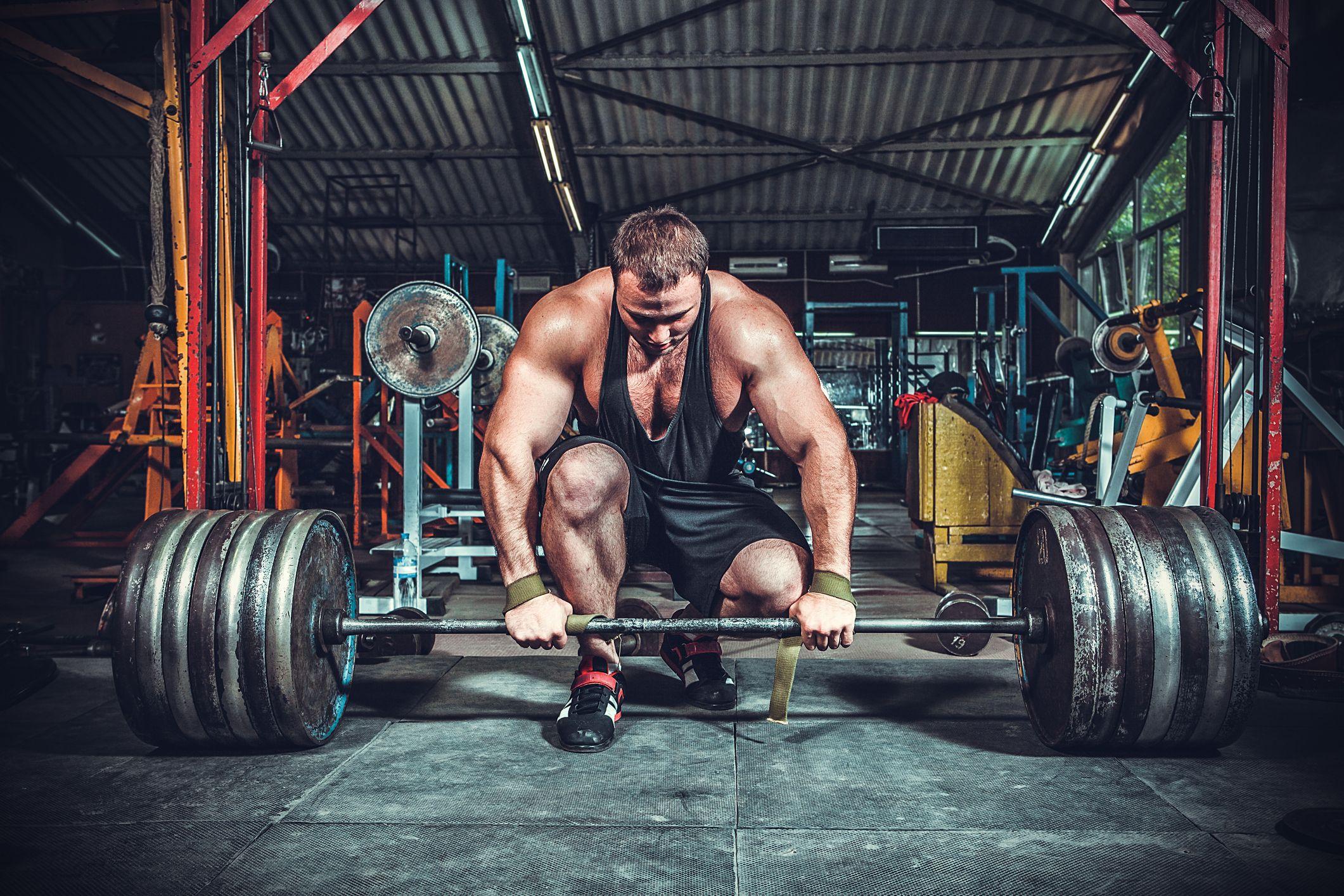
Powerlifting, a discipline that combines raw strength with unwavering determination, has become more than just a competitive sport; it’s a journey of self-discovery and empowerment. The clang of steel plates hitting one another, the focused gazes of lifters preparing for their moment, and the adrenaline surge before that heavy squat or deadlift encapsulate the essence of this sport. Whether you’re a novice stepping into the gym for the first time or a seasoned lifter seeking to refine your approach, the foundation of your success lies in a well-structured training regimen tailored to your unique goals and capabilities. In this article, we will explore the key elements of crafting an effective powerlifting program—balancing intensity and recovery, understanding the importance of technique, and incorporating progressive overload—ultimately guiding you toward unlocking your full potential and achieving personal bests. Get ready to harness the power within you and embark on a transformative path to strength.
Table of Contents
- Understanding the Fundamentals of Powerlifting Technique
- Designing a Periodized Training Schedule for Maximum Gains
- Incorporating Accessory Work to Enhance Overall Strength
- Nutrition and Recovery Strategies for Peak Performance
- The Way Forward
Understanding the Fundamentals of Powerlifting Technique
In powerlifting, mastering technique is as critical as building strength. Each lift—the squat, bench press, and deadlift—requires a specific form to maximize efficiency and minimize the risk of injury. Understanding the biomechanics of these movements not only enhances performance but also fortifies your foundation for progressive overload. Key elements to focus on include:
- Stance and Grip: The right foot placement is pivotal for stability and power output, while an appropriate grip ensures control and minimizes strain.
- Core Activation: Engaging your core muscles stabilizes the spine and generates force, making it essential throughout all lifting phases.
- Breathing Technique: Proper inhalation and exhalation help maintain intra-abdominal pressure, providing support during heavy lifts.
To cultivate proficiency in these lifts, it’s beneficial to observe your form through video analysis or coach feedback. Regularly practicing specific drills can also hone your mechanics, allowing for smoother execution during training. Below is a conceptual breakdown of key focus areas for each lift:
| Lift | Key Technique Elements | Common Mistakes |
|---|---|---|
| Squat | Feet shoulder-width apart, chest up | Letting knees cave in, heels lifting |
| Bench Press | Shoulder blades retracted, feet planted | Flaring elbows, arching back |
| Deadlift | Hips low, back straight | Pulling with arms, rounding back |
Designing a Periodized Training Schedule for Maximum Gains
Crafting a powerlifting program that maximizes strength gains requires a thoughtful approach to periodization. This method involves strategically varying your training intensity and volume over time to optimize performance and avoid plateaus. A well-structured periodized schedule typically consists of distinct phases, including hypertrophy, strength, and peaking. Here’s how you can break these phases down:
- Hypertrophy Phase: Focus on moderate weights (60-75% of your 1RM) with higher volume (8-12 reps).
- Strength Phase: Shift to heavier weights (75-90% of your 1RM) and lower volume (4-6 reps) to build power.
- Peaking Phase: Work with maximal weights (90-100% of your 1RM) with very low volume (1-3 reps), preparing for a meet or testing your max.
In designing your schedule, it’s essential to incorporate planned deload weeks to facilitate recovery and prevent burnout. A typical periodization cycle can last anywhere from 12 to 16 weeks. To visualize this, consider the following table that outlines a sample 16-week periodization plan:
| Week | Phase | Intensity | Volume |
|---|---|---|---|
| 1-4 | Hypertrophy | 60-75% | 8-12 reps |
| 5-8 | Strength | 75-90% | 4-6 reps |
| 9-12 | Peaking | 90-100% | 1-3 reps |
| 13-14 | Deload | 50-60% | Reduced sets |
| 15-16 | Max Testing | 100% | 1 rep max |
Incorporating Accessory Work to Enhance Overall Strength
To elevate your powerlifting journey, integrating accessory work into your routine is essential. These exercises serve as a supplementary tool aimed at enhancing muscle hypertrophy, improving stability, and addressing any muscular imbalances. By targeting specific muscle groups, you can bolster your primary lifts and boost your overall strength. Consider incorporating the following accessory work into your regimen:
- Pull-ups: Perfect for building upper body strength, particularly in the lats.
- Leg Curls: Vital for hamstring development, aiding in squatting and deadlifting.
- Bench Dips: An effective exercise for tricep strength, which can help in pressing movements.
- Face Pulls: Excellent for enhancing shoulder stability and overall upper back strength.
Strategically choosing the right accessories to complement your core lifts can make a significant impact. To manage your progression effectively, tracking your accessory work is beneficial. Below is a simple table showcasing recommended sets and repetitions that can be incorporated into your training plan:
| Exercise | Sets | Reps |
|---|---|---|
| Pull-ups | 3 | 6-10 |
| Leg Curls | 4 | 8-12 |
| Bench Dips | 3 | 8-10 |
| Face Pulls | 4 | 10-15 |
Incorporating these accessory movements not only builds strength but also contributes to injury prevention, allowing you to train harder and more effectively. The key lies in consistency and progressively challenging your muscles to foster growth while maintaining a well-rounded powerlifting program.
Nutrition and Recovery Strategies for Peak Performance
To achieve peak performance in powerlifting, a well-structured nutrition plan is essential. The right nutrients fuel your workouts and expedite recovery, making them a cornerstone of any successful training regimen. Focus on incorporating a mix of macronutrients and micronutrients to promote muscle growth and repair. To optimize energy levels, consider these key components in your daily intake:
- High-quality proteins: Lean meats, fish, eggs, and plant-based options like legumes and tofu.
- Complex carbohydrates: Whole grains, fruits, and vegetables for sustained energy.
- Healthy fats: Avocados, nuts, seeds, and olive oil to support hormonal balance.
- Hydration: Maintain fluid balance with water and electrolyte-rich drinks, especially during intense training.
Recovery strategies go hand-in-hand with nutrition, ensuring that your body can bounce back from workouts and build strength effectively. Incorporate methods such as structured rest periods, active recovery sessions, and, importantly, post-workout nutrition. A well-timed meal can significantly enhance recovery, so consider using the following table to plan your post-training intake:
| Post-Workout Meal | Description | Timing |
|---|---|---|
| Protein Shake | Whey or plant-based protein powder mixed with water or milk. | Within 30 minutes |
| Chicken and Quinoa Bowl | Grilled chicken breast served over quinoa and vegetables. | 1-2 hours after |
| Greek Yogurt and Berries | High-protein yogurt topped with fresh berries. | 1-2 hours after |
| Whole Grain Toast with Nut Butter | Whole grain bread topped with almond or peanut butter. | 1 hour after |
The Way Forward
developing an effective powerlifting training regimen is not merely about lifting heavy weights; it’s an art that combines strategy, discipline, and an understanding of your unique capabilities. As you embark on this journey towards unleashing your strength, remember that each lift is a step towards mastering your craft. Whether you are a novice setting foot into the world of lifting or a seasoned athlete looking to refine your technique, the principles you’ve embraced here will serve as the cornerstone of your success.
By harnessing the power of progressive overload, focusing on recovery, and cultivating a supportive community, you’ll not only enhance your performance but also foster a deeper connection with your body and mind. Every session in the gym is a testament to your determination and resilience. So, gear up, stay committed, and let your passion for powerlifting redefine what you thought possible. The barbell awaits; now is your time to rise.