


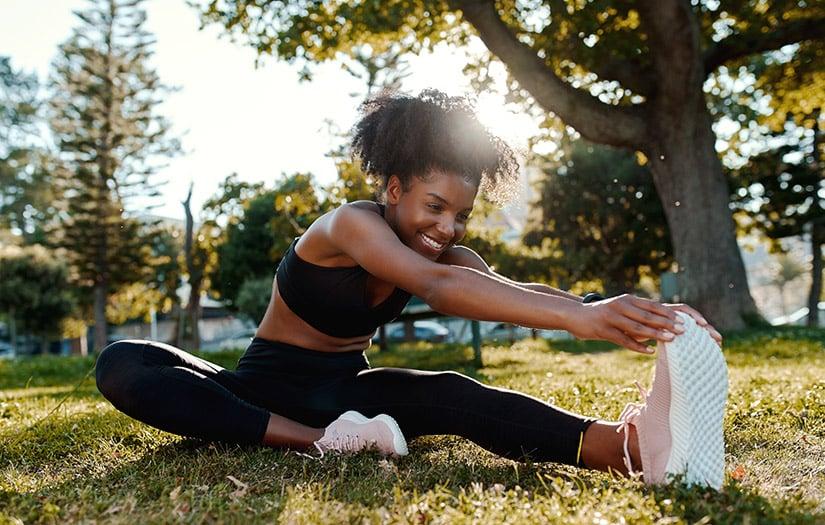
Flexibility plays a crucial role in overall physical fitness and well-being, influencing performance in various activities and reducing the risk of injuries. As individuals increasingly seek to enhance their mobility and achieve a balanced fitness regimen, effective workout routines specifically targeting flexibility have gained prominence. This article aims to explore various strategies and exercises designed to improve flexibility, discussing their benefits, methodologies, and the science behind them. By understanding the principles of flexibility training, readers will be better equipped to incorporate these routines into their workouts, fostering improved posture, increased range of motion, and greater resilience in physical endeavors.
Table of Contents
- Benefits of Flexibility in Overall Fitness
- Key Stretching Techniques for Enhanced Flexibility
- Incorporating Flexibility Workouts into a Regular Exercise Regimen
- Common Mistakes to Avoid When Improving Flexibility
- Wrapping Up
Benefits of Flexibility in Overall Fitness
Incorporating flexibility into your fitness routine offers numerous advantages that enhance both physical performance and overall well-being. Improved range of motion is one of the most significant benefits, as it allows for better performance of daily tasks and activities. This is especially vital for athletes and fitness enthusiasts, who rely on full mobility to execute various movements effectively. Furthermore, enhanced flexibility reduces the risk of injury by preparing muscles and joints for the demands of physical activity. By staying limber, individuals can prevent strains and sprains that often result from sudden or intense movements.
Additionally, flexibility contributes to better posture and alignment, which are essential for maintaining the body’s structure and function. Poor posture can lead to chronic pain and discomfort, particularly in the back and neck areas. Flexibility exercises help lengthen tight muscles and strengthen weaker ones, promoting a balanced body. Moreover, embracing flexibility practices can enhance relaxation and reduce stress levels through mindfulness and focused breathing, further supporting mental health. The multifaceted benefits of flexibility create a solid foundation for a well-rounded fitness routine, enabling participants to enjoy improved functionality and vitality in their lives.
Key Stretching Techniques for Enhanced Flexibility
Incorporating effective stretching techniques into your fitness regimen is crucial for augmenting flexibility and overall mobility. Several methods can be applied to target different muscle groups and enhance their elasticity. Static stretching, where you hold a stretch for 15-60 seconds, is ideal post-workout, allowing muscles to relax and recover. Dynamic stretching involves active movements that gently take muscles through their full range of motion, making it perfect for warming up before strenuous activities. Additionally, PNF (Proprioceptive Neuromuscular Facilitation) stretching effectively improves flexibility by combining stretching and contracting techniques, often yielding impressive results in a shorter period.
To optimize your stretching routine, consider integrating the following techniques that cater to your specific needs:
- Hamstring Stretch: Sit and reach for your toes while keeping your legs straight.
- Cobra Pose: Lying face down, push up with your arms to stretch the chest and abdomen.
- Quadriceps Stretch: Stand on one foot and pull the opposite heel towards your glutes.
For more structured guidance, below is a simple comparison of duration and impact for different stretching methods:
| Stretch Type | Duration | Ideal For |
|---|---|---|
| Static | 15-60 seconds | Post-Workout Recovery |
| Dynamic | 5-10 minutes | Pre-Workout Warm-Up |
| PNF | 10-30 seconds | Improving Range of Motion |
Incorporating Flexibility Workouts into a Regular Exercise Regimen
Integrating flexibility workouts into your existing exercise routine can enhance overall performance and reduce the risk of injuries. To effectively weave these practices into your schedule, consider dedicating specific days solely for flexibility training or incorporating short sessions before and after your regular workouts. For example, starting with dynamic stretches as part of your warm-up can effectively prepare your muscles for more intense activities, while static stretches at the end can aid in recovery. Some beneficial techniques include:
- Dynamic Stretching: Leg swings, arm circles, and torso twists.
- Static Stretching: Hamstring stretch, quadriceps stretch, and shoulder stretch.
- Yoga or Pilates: Promote balance and flexibility through controlled movements and poses.
To maximize the benefits of flexibility training, aim for consistency. A structured plan can help in tracking progress and staying motivated. Consider the following table as a sample weekly schedule that includes flexibility workouts along with a balanced mix of strength and cardiovascular exercises:
| Day | Workout Type | Flexibility Component |
|---|---|---|
| Monday | Strength Training | 10-min static stretching |
| Tuesday | Cardio | 15-min dynamic stretches |
| Wednesday | Yoga | Full session of flexibility |
| Thursday | Strength Training | 10-min static stretching |
| Friday | Cardio | 15-min dynamic stretches |
| Saturday | Active Recovery | 30-min yoga or Pilates |
| Sunday | Rest | Optional gentle stretching |
Common Mistakes to Avoid When Improving Flexibility
Improving flexibility is a vital aspect of any workout routine, but many individuals fall into common traps that can hinder their progress or even lead to injury. One prevalent mistake is overstretching, which occurs when attempting to push the body beyond its natural limits. Instead of forcing muscles into uncomfortable positions, focus on gradual increases in flexibility through consistent practice. It’s crucial to listen to your body and recognize the difference between mild discomfort and pain.
Another mistake to be wary of is skipping warm-up exercises. Failing to properly warm up can lead to muscle strain during flexibility workouts. A suitable warm-up should include dynamic movements that increase your heart rate and prepare your muscles for deeper stretches. Additionally, many people neglect the importance of maintaining proper form while stretching. Poor technique can lead to imbalances and injuries, so prioritize alignment and maintain control throughout each movement.
Wrapping Up
adopting an effective workout routine aimed at improving flexibility can yield significant benefits for both physical health and overall well-being. By integrating a variety of stretching techniques, strength training, and mindful practices such as yoga, individuals can enhance their range of motion, reduce the risk of injury, and promote better posture. It is important to approach flexibility training with consistency and patience, as improvements can take time to manifest. Ultimately, finding a routine that fits personal preferences and lifestyle is key to sustaining these practices long-term. With dedication and the right strategies, anyone can experience the advantages of enhanced flexibility and its positive impact on daily life.