


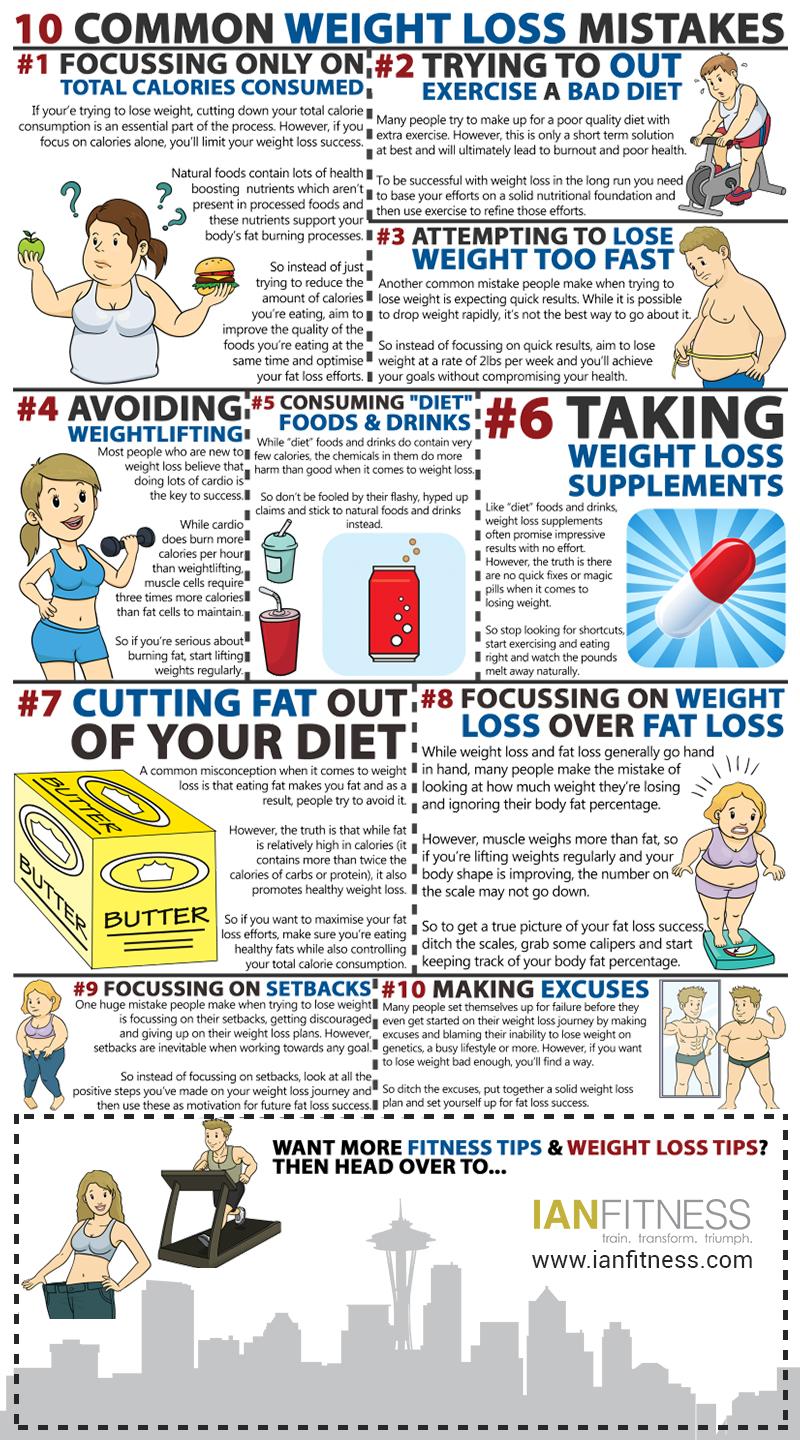
Weight loss can often feel like navigating a labyrinth filled with twists, turns, and unexpected obstacles. In a world saturated with diet trends, fitness fads, and calorie-counting apps, the journey toward a healthier self can become overwhelming. Despite our best intentions, many of us accidentally stumble into pitfalls that can undermine our efforts. This article delves into the intricacies of weight loss, unraveling ten common mistakes that might be sabotaging your progress. Whether you’re just starting your weight loss journey or looking to refine your approach, understanding these missteps can be the key to unlocking a more effective and sustainable path to your goals. Join us as we explore the nuances of weight loss and uncover practical insights that may transform your experience.
Table of Contents
- Common Pitfalls in Dieting and Their Impact on Weight Loss
- The Role of Mindful Eating in Achieving Health Goals
- Understanding the Science of Metabolism and Its Misconceptions
- Practical Strategies to Overcome Barriers and Optimize Your Journey
- Closing Remarks
Common Pitfalls in Dieting and Their Impact on Weight Loss
Embarking on a dieting journey often comes with a host of common missteps that can significantly derail your weight loss efforts. Many individuals fall into the trap of extreme calorie restriction, believing that the less they eat, the more weight they will lose. However, this approach can slow down metabolism, causing the body to enter starvation mode. Furthermore, skipping meals can lead to intense hunger, resulting in binge eating later in the day. The cycle of deprivation and indulgence creates an unhealthy relationship with food and can hinder long-term success.
Another frequent pitfall is the reliance on faddy diets, which promise quick results but are often unsustainable. These diets may restrict entire food groups or promote unrealistic eating patterns, leading to nutrient deficiencies and cravings. Additionally, many dieters overlook the importance of mindful eating, which encourages awareness of hunger cues and portion sizes. Engaging in distracted eating—like watching TV or scrolling through your phone—can lead to consuming more calories than intended without truly enjoying the meal.
The Role of Mindful Eating in Achieving Health Goals
In today’s fast-paced world, it’s easy to overlook the importance of how we eat. Mindful eating encourages individuals to tune into their hunger cues and the sensations associated with food, fostering a deeper connection with what we consume. This practice involves paying attention to the flavors, textures, and aromas of your meals, which can enhance the overall eating experience. By doing so, you not only derive greater satisfaction from your food but may also reduce the tendency to overeat, as you become more aware of your body’s signals of fullness.
Additionally, mindful eating can help identify emotional triggers that drive unhealthy eating habits. Here are some key benefits:
- Reduces emotional eating: Recognizing when you’re eating out of stress rather than hunger can prompt healthier choices.
- Improves digestion: Eating slowly and savoring each bite can lead to better digestive health.
- Enhances enjoyment of food: By focusing on the experience, meals become more fulfilling.
- Fosters a positive relationship with food: A mindful approach encourages appreciation for nourishment rather than viewing food as the enemy.
Understanding the Science of Metabolism and Its Misconceptions
Metabolism is often perceived as a simple equation: calories in versus calories out. However, this reductionist view overlooks the complex biochemistry that plays a vital role in how our bodies convert food into energy. The term ‘metabolism’ encompasses a range of processes, including how we break down macronutrients, utilize them for energy, and store excess energy in the form of fat. Many people mistakenly believe that they can drastically speed up their metabolism through extreme diets or supplements, but these approaches can lead to fatigue and nutrient deficiencies rather than lasting results. It’s essential to understand that metabolism is influenced by a tapestry of factors, including genetics, age, muscle mass, and hormonal balance.
Another common misconception is that simply increasing physical activity will guarantee weight loss. While exercising is beneficial for overall metabolism, the body can adapt to increased activity levels over time, leading to a plateau in weight loss. Instead of obsessing over calorie counts or exercise minutes, it’s crucial to focus on the quality of the food consumed. A nutrient-dense diet rich in whole foods can positively influence metabolic health. Additionally, stress, sleep, and hydration significantly affect metabolic activity. Understanding these interlinked components can help debunk myths surrounding metabolism and promote a healthier, more holistic approach to weight management.
Practical Strategies to Overcome Barriers and Optimize Your Journey
Embarking on a weight loss journey often feels like navigating a labyrinth of challenges and misconceptions. To make this process more manageable, implement practical strategies that address common barriers. For instance, explore meal prepping to ensure you have healthy options readily available when cravings strike. This proactive approach can save you time and prevent impulsive eating. Additionally, consider establishing a support network. Connecting with friends, family, or online communities not only boosts motivation but also creates accountability, making it easier to stay on track.
Another essential component is tracking your progress, which can often illuminate hidden pitfalls. Utilize tools like food diaries or apps designed to monitor your caloric intake and exercise routines. By reflecting on your habits, you can identify patterns that may be sabotaging your efforts. Moreover, don’t underestimate the power of setting small, achievable goals. Breaking down your main objective into manageable steps can enhance your confidence and provide a sense of accomplishment. Here’s a simple table to illustrate how to set these incremental goals:
| Goal Type | Example |
|---|---|
| Short-term Goal | Exercise 3 times a week |
| Medium-term Goal | Lose 5 pounds in a month |
| Long-term Goal | Maintain a healthy weight for a year |
Closing Remarks
As we close the chapter on our exploration of common weight loss missteps, it’s crucial to remember that the journey towards better health is often winding and filled with unexpected turns. Each mistake offers a valuable lesson, a stepping stone that, when recognized, can lead to more informed choices and lasting change. Armed with the knowledge of what pitfalls to avoid, you are now equipped to navigate your weight loss path with greater confidence and clarity.
Reflect on your habits, stay curious, and be kind to yourself as you transform not just your body, but your relationship with health and wellness. Remember, success isn’t solely measured by the numbers on a scale, but in the growth and resilience you build along the way. Here’s to embracing the journey, learning from the past, and uncovering a healthier, happier you.