


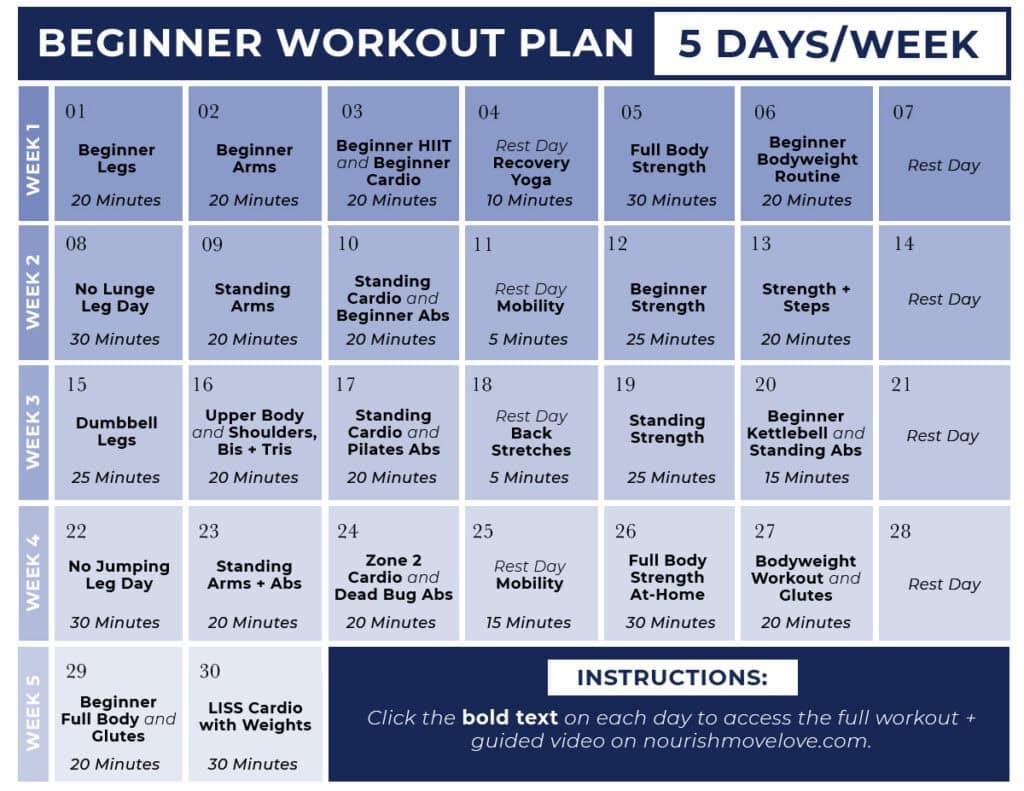
In today’s health-conscious society, the importance of regular physical activity cannot be overstated. Whether one is a seasoned athlete or a newcomer to fitness, the pursuit of an effective workout routine tailored to individual needs and goals is essential for achieving optimal results. This article delves into a variety of workout routines designed to accommodate all fitness levels, from beginners to advanced practitioners. By examining different approaches, including strength training, cardiovascular exercise, and flexibility work, we aim to provide readers with actionable insights that can enhance their fitness journey. Through a careful exploration of these routines, we seek to empower individuals to make informed choices that promote long-term health and well-being.
Table of Contents
- Understanding the Importance of Tailored Workout Routines
- Identifying Goals and Fitness Levels for Optimal Results
- Key Components of a Balanced Workout Plan
- Incorporating Variety and Progression in Exercise Routines
- Key Takeaways
Understanding the Importance of Tailored Workout Routines
Creating a workout routine that is specifically tailored to an individual’s needs and goals is crucial for achieving lasting fitness results. Tailored routines take into account factors such as age, fitness level, health conditions, and personal preferences. This personalization enhances motivation and commitment, leading to more consistent workout schedules. Additionally, a custom plan helps in targeting specific areas, whether it’s building muscle, increasing endurance, or losing weight, providing a clearer path towards success.
Moreover, the importance of a tailored workout routine extends beyond physical results; it also plays a significant role in injury prevention and overall well-being. By incorporating the right exercises at appropriate intensity levels, individuals can avoid overtraining and minimize the risk of injuries. An effective strategy could include:
- Progressive Overload: Gradually increasing weights or resistance.
- Balanced Training: Incorporating both strength and cardio workouts.
- Recovery Days: Allowing the body time to rebuild and strengthen.
- Regular Assessment: Adapting the routine based on progress and feedback.
| Fitness Level | Recommended Routine |
|---|---|
| Beginner | Focus on bodyweight exercises and light cardio. |
| Intermediate | Incorporate weights and higher-intensity interval training. |
| Advanced | Implement specialized programs and advanced techniques. |
Identifying Goals and Fitness Levels for Optimal Results
When embarking on a fitness journey, it’s crucial to establish clear goals that align with your current fitness level. Setting objectives can help maintain motivation and track progress. Consider these categories when identifying your goals:
- Weight Loss: Aim for a specific weight target or a percentage body fat reduction.
- Muscle Gain: Set a goal for lean muscle increase, focusing on specific areas like arms or legs.
- Endurance Improvement: Establish a target for running distance or workout duration.
- Flexibility Enhancement: Work towards mastering specific stretches or yoga poses.
Understanding your fitness level is equally important as it dictates the type of exercises and intensity you should incorporate into your routine. Beginners may focus on foundational movements such as bodyweight exercises, while intermediate and advanced individuals can incorporate weighted training or high-intensity interval workouts (HIIT). The following table outlines the typical fitness levels and corresponding workout suggestions:
| Fitness Level | Workout Suggestions |
|---|---|
| Beginner | Bodyweight exercises, brisk walking, basic yoga |
| Intermediate | Weighted resistance training, cycling, group classes |
| Advanced | HIIT, complex weightlifting, marathon training |
Key Components of a Balanced Workout Plan
A successful workout plan encompasses a variety of elements that cater to different aspects of fitness. Strength training, for instance, lays the foundation for building muscle and enhancing overall strength. This can be achieved through exercises such as push-ups, squats, and free weights. Cardiovascular training is equally important, as it improves heart health and increases endurance. Activities like running, cycling, or swimming should be incorporated for optimal results. Lastly, flexibility and mobility exercises—including yoga and stretching routines—help prevent injuries and improve range of motion.
To create a balanced approach, consider structuring your week around different workout modalities. An effective way to visualize this is through a simple schedule outlined in the table below:
| Day | Workout Focus |
|---|---|
| Monday | Strength Training |
| Tuesday | Cardio |
| Wednesday | Flexibility/Mobility |
| Thursday | Strength Training |
| Friday | Cardio |
| Saturday | Active Recovery (Light Yoga/Stretching) |
| Sunday | Rest Day |
By integrating these core components into your routine, you can cultivate a comprehensive workout plan that not only meets the demands of various fitness levels but also ensures long-term health and wellness.
Incorporating Variety and Progression in Exercise Routines
To achieve optimal results in any fitness journey, it’s essential to keep workouts engaging and challenging. Variety not only combats boredom but also prevents plateaus by engaging different muscle groups and enhancing overall physical capabilities. Here are some effective ways to incorporate variety into your exercise routines:
- Explore different exercise modalities like strength training, cardio, and flexibility workouts.
- Change your exercise environment by working out outdoors, in classes, or at home.
- Experiment with various equipment types, including resistance bands, kettlebells, and bodyweight exercises.
- Try out new workout formats, such as supersets, circuits, or interval training.
- Include diverse fitness classes like yoga, Pilates, or dance to broaden your experience.
In addition to variety, progression is fundamental for continuous improvement. It involves gradually increasing the intensity, duration, or complexity of workouts in a methodical way. Here’s how to effectively implement progression in your routines:
- Increase the weight lifted or resistance used over time.
- Extend the duration of cardio sessions to build endurance.
- Incorporate more complex movements or exercise combinations as your skill improves.
- Shorten rest intervals between sets to boost intensity.
- Maintain a workout journal to track your progress and celebrate achievements.
Key Takeaways
exploring effective workout routines tailored for all fitness levels is essential for promoting a healthy lifestyle and encouraging consistent exercise habits. By understanding the unique needs and capabilities of individuals at different stages of their fitness journeys, it becomes possible to design programs that not only meet their physical goals but also enhance their overall well-being. As this article has outlined, effective workout routines should prioritize accessibility, diversity, and safety, allowing individuals to build confidence and avoid injury. Whether a beginner or an experienced athlete, the key to success lies in finding a routine that is sustainable, enjoyable, and aligned with personal fitness objectives. Moving forward, embracing a variety of exercises and remaining adaptable to changing needs will foster a more inclusive and effective fitness environment for everyone.