


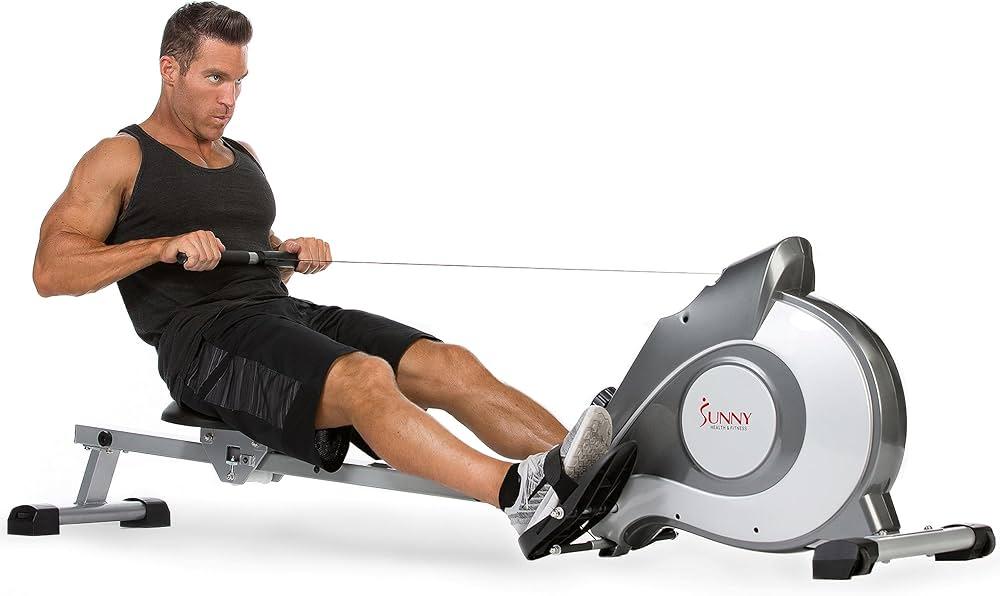
In the ever-evolving world of fitness, finding the right blend of efficiency and excitement can sometimes feel like navigating a labyrinth. Amidst a sea of treadmill sprints and cycling classes, one piece of equipment stands out for its unique ability to engage both mind and body: the rowing machine. With its rhythmic motion and full-body engagement, rowing offers an invigorating cardiovascular workout that transcends traditional gym routines. Whether you’re a seasoned athlete looking to diversify your training or a beginner seeking a low-impact yet challenging option, the rowing machine can elevate your fitness journey. In this article, we’ll explore the myriad benefits of rowing machine cardio, reveal tips to maximize your workout, and inspire you to dive into this dynamic exercise that has the potential to transform your approach to cardio. Get ready to row your way to a fitter, stronger you!
Table of Contents
- Exploring the Benefits of Rowing Machine Cardio for All Fitness Levels
- Perfecting Your Technique: Tips for Effective and Safe Use
- Creating a Balanced Rowing Workout: Combining Intervals and Endurance
- Enhancing Your Home Gym: Choosing the Right Rowing Machine for Your Goals
- Final Thoughts
Exploring the Benefits of Rowing Machine Cardio for All Fitness Levels
Rowing machines offer a unique combination of strength and cardio training, making them an ideal choice for individuals at any fitness level. One significant advantage is the low-impact nature of rowing, which minimizes stress on your joints while still delivering an intense workout. This means that whether you’re a beginner or an experienced athlete, you can engage in effective cardiovascular exercise without the risk of injury. Plus, rowing tightly engages multiple muscle groups simultaneously, leading to increased calorie burn and improved overall fitness.
Another remarkable aspect of rowing machine cardio is its adaptability. Users can easily adjust the resistance and pace, allowing for a customized workout that aligns with personal fitness goals. Some key benefits include:
- Full-body workout: Engages arms, legs, and core for a balanced routine.
- Enhanced endurance: Improves cardiovascular health and stamina over time.
- Flexible routines: Options for intervals, steady-state rowing, or even competitive training.
To visualize the versatility of rowing workouts, consider the following comparison:
| Fitness Level | Recommended Intensity | Workout Duration |
|---|---|---|
| Beginner | Low to Moderate | 10-20 minutes |
| Intermediate | Moderate to High | 20-30 minutes |
| Advanced | High | 30+ minutes |
Perfecting Your Technique: Tips for Effective and Safe Use
To maximize your rowing machine sessions, focus on achieving the correct form and technique. Begin by ensuring your back is straight and your shoulders are relaxed to prevent strain. As you initiate each stroke, engage your core muscles and drive through your legs. Remember to maintain a smooth transition between the drive phase and recovery phase. This will not only enhance your efficiency but also reduce the risk of injury. Consistent practice is key, so consider filming yourself periodically to identify areas for improvement.
Incorporating proper breathing techniques can also significantly elevate your workout. Aim for a rhythmic inhalation and exhalation as you row, inhaling during the recovery phase and exhaling during the drive phase. Additionally, adjust your resistance level based on your fitness goals—higher resistance can build strength, while lower resistance can improve endurance. Here’s a quick reference table to help you find the right balance:
| Goal | Resistance Level | Duration |
|---|---|---|
| Strength Building | High | 20-30 minutes |
| Endurance Training | Low | 30-60 minutes |
| Weight Loss | Moderate | 30-45 minutes |
Creating a Balanced Rowing Workout: Combining Intervals and Endurance
To achieve a well-rounded rowing workout, it’s essential to integrate both intervals and endurance training. Intervals involve short bursts of high-intensity rowing followed by periods of rest or low-intensity rowing. This approach maximizes calorie burn and boosts cardiovascular fitness in a shorter time frame. Here are key tips for incorporating intervals into your routine:
- Start with a 5-10 minute warm-up at a moderate pace.
- Try 30 seconds of maximum effort rowing followed by 1-2 minutes of easy rowing to recover.
- Repeat the interval cycle for 15-20 minutes, gradually increasing the intensity as your fitness improves.
On the other hand, focusing on endurance training allows you to build stamina and improve your overall rowing technique. These longer, steady-state sessions are vital for developing aerobic capacity. Here are some suggestions for your endurance workouts:
- Set a goal of 20-60 minutes of continuous rowing at a comfortable, but challenging pace.
- Maintain a constant stroke rate, aiming for 60-70% of your maximum heart rate.
- Incorporate at least one longer endurance row each week to enhance your capacity and recovery.
| Type of Workout | Duration | Intensity Level |
|---|---|---|
| Intervals | 15-20 minutes | High |
| Endurance | 20-60 minutes | Moderate |
Enhancing Your Home Gym: Choosing the Right Rowing Machine for Your Goals
When selecting a rowing machine to enhance your home gym, it’s essential to consider your specific fitness goals and available space. Rowing machines come in various types, each offering unique benefits. For instance, air rowers provide a dynamic resistance that increases as you row harder, making them excellent for high-intensity interval training. Water rowers, with their realistic feel thanks to water resistance, can be a perfect choice for those seeking a more immersive experience. On the other hand, magnetic resistance rowers are often quieter and more compact, ideal for smaller living areas or shared spaces. Think about what you want to achieve—whether it’s building strength, improving endurance, or simply enjoying a low-impact workout.
Additionally, functionality and features play a crucial role in your decision-making process. Here are some key aspects to evaluate:
- Monitor Display: Look for a machine with a clear, easy-to-read monitor that tracks time, distance, strokes, and calories burned.
- Comfort: Ensure the seat and handlebar offer adequate support and grip; this is critical for maintaining proper form during prolonged workouts.
- Storage: If space is limited, consider foldable models, which can be stored easily when not in use.
- Durability: Look for a sturdy frame and components; this ensures longevity, especially if you plan to use the machine frequently.
Final Thoughts
integrating a rowing machine into your workout routine can revolutionize your approach to cardiovascular fitness. Beyond the physical benefits of improved endurance and strength, rowing offers a unique opportunity to engage both body and mind. Whether you’re a seasoned athlete or a newcomer to fitness, this versatile piece of equipment can elevate your workouts, adapting to your skill level and goals. So, why wait? Embrace the rhythm of the oars and let the water-like glide transform your exercise experience. Take the plunge into a world of cardiovascular conditioning that is as invigorating as it is rewarding. It’s time to row your way to new heights in your fitness journey.