


In the ever-evolving landscape of health and wellness, the debate surrounding weight loss often ignites passionate discussions: what truly reigns supreme, diet or exercise? As individuals embark on their unique journeys towards better health, they find themselves at a crossroads, grappling with the age-old question: “Should I focus more on what I eat or how I move?” This article delves into the intricacies of this ultimate battle, exploring the evidence, the experts’ opinions, and the personal experiences that shape our understanding of weight loss success. Whether you’re a dedicated gym-goer or a culinary enthusiast, join us as we dissect the roles of diet and exercise, uncovering the delicate balance that may hold the key to achieving your weight loss goals. In a world filled with fads and conflicting advice, we aim to provide clarity and insight, guiding you toward a path that resonates with your lifestyle and aspirations.
Table of Contents
- Understanding the Roles of Diet and Exercise in Weight Loss Journey
- Nutrition Strategies: Building a Sustainable Diet for Effective Weight Management
- The Impact of Physical Activity on Metabolism and Fat Loss
- Creating a Balanced Approach: Integrating Diet and Exercise for Optimal Results
- Final Thoughts
Understanding the Roles of Diet and Exercise in Weight Loss Journey
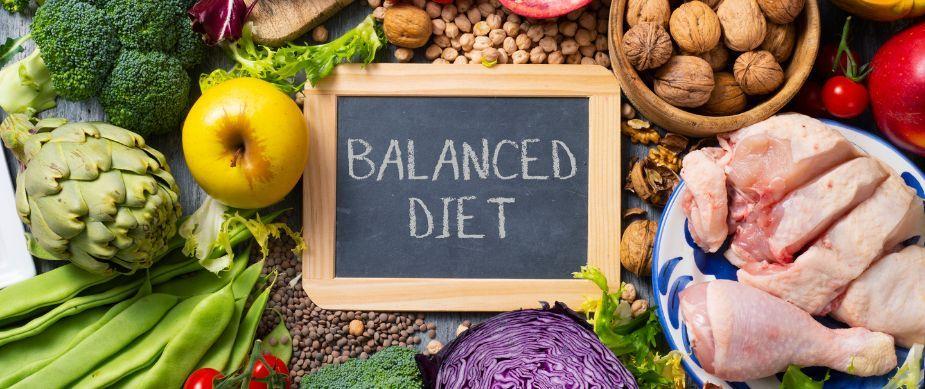
When embarking on a weight loss journey, individuals often find themselves in a tug-of-war between the influences of diet and exercise. Diet serves as the cornerstone of any weight management plan. It plays a crucial role in determining caloric intake and the nutritional quality of the food consumed. To optimize weight loss, it is important to focus on a balanced diet that includes:
- Whole grains – Rich in fiber and nutrients.
- Fruits and vegetables – Low in calories and high in vitamins.
- Lean proteins – Essential for muscle maintenance.
- Healthy fats - Beneficial for satiety and overall health.
On the flip side, exercise complements dietary efforts and accelerates the weight loss process by burning calories, enhancing metabolism, and improving overall cardiovascular health. Engaging in regular physical activity not only helps to shed pounds but also supports long-term weight maintenance. To maximize the benefits of exercise, consider incorporating:
- Aerobic activities – Such as running, cycling, or swimming.
- Strength training – To build and maintain muscle mass.
- Flexibility exercises – Like yoga or stretching to prevent injuries.
| Cumulative Benefits | Diet | Exercise |
|---|---|---|
| Improved metabolism | ✔️ | ✔️ |
| Enhanced mood | ✔️ | ✔️ |
| Increased energy levels | ✔️ | ✔️ |
| Better overall health | ✔️ | ✔️ |
Nutrition Strategies: Building a Sustainable Diet for Effective Weight Management
Building a sustainable diet is essential for long-term weight management. By focusing on nutrient-dense foods, individuals can create a balanced eating plan that not only promotes weight loss but also enhances overall health. Here are some key strategies to consider:
- Prioritize Whole Foods: Opt for fresh fruits, vegetables, whole grains, and lean proteins. These foods are rich in essential nutrients and generally lower in calories.
- Controlled Portions: Practice portion control by using smaller plates and measuring servings to avoid overeating.
- Mindful Eating: Take time to savor meals, listen to hunger cues, and avoid distractions like screens during mealtime.
- Plan Ahead: Meal planning can help ensure balanced meals and prevent impulse eating of unhealthy options.
Adapting the right nutritional strategies can create an enjoyable food experience that supports weight goals. Understanding macronutrient balance—incorporating the right amounts of carbohydrates, proteins, and fats—plays a crucial role:
| Macronutrient | Recommended Daily Percentage | Food Sources |
|---|---|---|
| Carbohydrates | 45-65% | Whole grains, fruits, vegetables |
| Proteins | 10-35% | Lean meats, fish, legumes |
| Fats | 20-35% | Nuts, avocados, olive oil |
The Impact of Physical Activity on Metabolism and Fat Loss
Engaging in regular physical activity plays a pivotal role in the intricate process of metabolism and fat loss. While the body constantly burns calories, physical activity significantly escalates this rate. It enhances energy expenditure, meaning you can burn more calories even when at rest. This accumulated effect not only aids in weight loss but can also lead to improved body composition by reducing fat and increasing muscle mass. Some key ways exercise impacts metabolism include:
- Increased Muscle Mass: Muscle tissue burns more calories at rest compared to fat tissue.
- Enhanced Aerobic Capacity: Activities like jogging or cycling boost your overall metabolic rate.
- The Afterburn Effect: Intense workouts can lead to higher caloric burn post-exercise.
Furthermore, physical activity also influences hormonal balance, which significantly impacts weight management. It can lead to favorable shifts in hormones such as insulin and ghrelin, which regulate hunger and fat storage. Here’s a quick comparison of how different forms of exercise contribute to metabolism:
| Exercise Type | Metabolic Boost | Fat Loss Impact |
|---|---|---|
| Cardio | Moderate to High | Effective for overall fat loss |
| Strength Training | High | Builds muscle, increases resting metabolic rate |
| High-Intensity Interval Training (HIIT) | Very High | Maximizes calorie burn in short periods |
Creating a Balanced Approach: Integrating Diet and Exercise for Optimal Results
Finding the right balance between nutrition and physical activity is essential for achieving lasting weight loss success. A strategic combination of dietary choices and exercise routines can create a synergy that enhances overall well-being. Focusing on the following components can help you achieve this balance:
- Variety in Nutrition: Embrace a colorful plate that includes fruits, vegetables, lean proteins, and whole grains.
- Mindful Eating: Pay attention to hunger cues and portion sizes, fostering a healthy relationship with food.
- Consistent Exercise: Aim for a mix of cardiovascular workouts and strength training to boost metabolism and build muscle.
- Hydration: Keep your body well-hydrated, as water is crucial for optimal performance and fat loss.
To illustrate the impact of this integrated strategy, consider the following table that contrasts different approaches:
| Approach | Benefits | Potential Pitfalls |
|---|---|---|
| Diet-Only | Quick weight loss, improved nutrition awareness | Possible muscle loss, slower metabolism |
| Exercise-Only | Enhanced strength, cardiovascular health | Limited weight loss without dietary changes |
| Balanced Approach | Sustainable weight loss, improved overall health | Requires commitment and planning |
Striving for a well-rounded regimen will not only yield optimal results but also make the entire journey more enjoyable. When nutrition and exercise work hand in hand, they empower you to cultivate a lifestyle change rather than just a short-term fix.
Final Thoughts
As we draw the curtain on the age-old debate of diet versus exercise in the quest for weight loss success, it’s clear that both sides wield their own merits. Like two key players in a duet, diet and exercise complement each other, harmonizing to create a lifestyle that not only encourages shedding pounds but also fosters overall well-being. Rather than perpetuating a rivalry, perhaps we should embrace a collaborative approach: nourish our bodies through thoughtful dietary choices while invigorating them through physical activity. the ultimate victory in weight loss lies not in choosing sides, but in finding balance. So, as you embark on your personal journey, remember that success is not defined by extremes but by sustainable habits that promote a healthier, happier you. The true battle may not be waged between diet and exercise, but within ourselves to create a holistic and fulfilling lifestyle.