


Are you tired of traditional workouts that leave you feeling sore and not much else? Ever wonder if there’s a better way to get fit—one that aligns with your everyday movements and makes daily tasks easier? If so, you’re in the right place! In today’s article, we’re diving into the world of functional fitness, a training approach that focuses on exercises designed to improve your ability to perform daily activities with ease and comfort. Whether you’re a busy professional, a parent juggling countless tasks, or simply someone looking to enhance your overall well-being, functional fitness offers a practical solution. Get ready to discover how moving better can lead to living better—because it’s time to unlock the true potential of your body and make every day feel like a walk in the park! Let’s get started!
Table of Contents
- Understanding Functional Fitness and Its Benefits
- Essential Movements for Daily Life and How to Master Them
- Creating Your Own Functional Fitness Routine at Home
- Staying Motivated and Making Functional Fitness a Lifestyle
- The Conclusion
Understanding Functional Fitness and Its Benefits
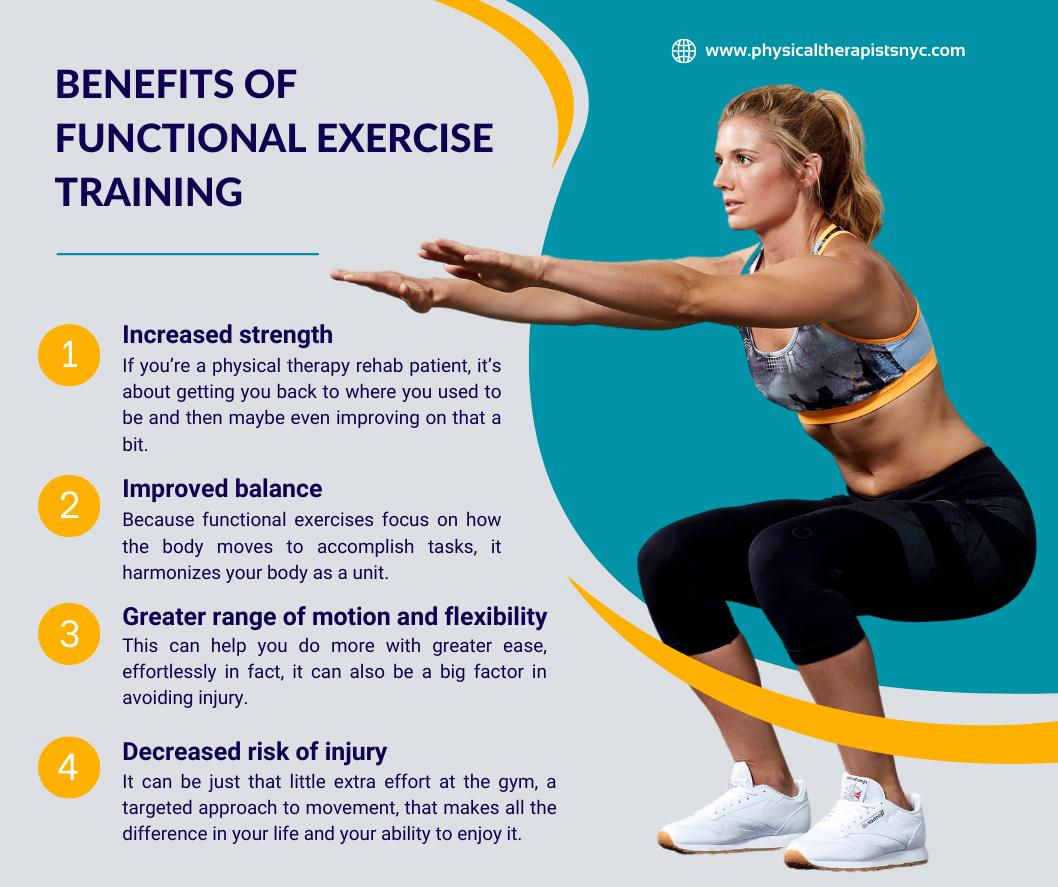
Functional fitness emphasizes movements mimicking everyday activities, making workouts not just about aesthetics but also about enhancing your ability to perform daily tasks. By focusing on multidimensional exercises, functional fitness develops strength, balance, and flexibility. Rather than isolating muscles, it encourages working multiple muscle groups simultaneously. This approach inherently makes workouts more relevant and valuable, as you’re training your body in a way that translates to real-life actions, like lifting groceries, climbing stairs, or playing with your kids.
Engaging in a functional fitness routine offers numerous advantages, including:
- Improved joint stability – Enhancing stability reduces the risk of injury.
- Increased strength and endurance – Everyday tasks become easier with a stronger, more resilient body.
- Better posture and alignment – Exercises focus on core strength which supports your spine and improves posture.
- Enhanced mobility and flexibility – Greater range of motion promotes better overall movement.
In addition to these physical benefits, functional fitness also promotes mental well-being. You’ll feel more capable and confident in your movements, cultivating a positive relationship with your body. To illustrate the key aspects of functional fitness, here’s a simple comparison table:
| Functional Fitness | Traditional Fitness |
|---|---|
| Focuses on real-life movements | Bodybuilding and isolated exercises |
| Increases overall body coordination | May lead to muscle imbalances |
| Improves daily functional tasks | Primarily aesthetics-based |
Essential Movements for Daily Life and How to Master Them
When it comes to everyday activities, mastering certain movements can significantly enhance your quality of life. Think about the routine tasks you perform, from lifting grocery bags to climbing stairs; these actions demand more than just brute strength—they require functional fitness. Key movements to focus on include:
- Squatting: Essential for sitting down and standing up, great for strengthening your legs and glutes.
- Deadlifting: A fundamental movement for lifting heavy objects safely, focusing on your back and core.
- Push-ups: Perfect for building upper body strength and improving stability.
- Rotational movements: Important for tasks like turning to grab something or twisting while reaching.
To truly master these movements, practice is key. Incorporate drills that mimic daily tasks into your fitness routine. Here’s a handy guide to make your training more focused:
| Movement | How to Practice |
|---|---|
| Squats | Hold onto a chair for balance and gradually lower down. |
| Deadlifts | Use a bag filled with books to practice proper lifting technique. |
| Push-ups | Start with knee push-ups if standard ones are too challenging. |
| Rotational Movements | Practice standing twists with a light medicine ball. |
Incorporate these movements into your workouts at least three times a week, and you’ll not only see improvements in your strength but also in your ease during everyday activities. Remember, the goal is to build a solid foundation that supports your lifestyle, making the daily grind feel a whole lot smoother!
Creating Your Own Functional Fitness Routine at Home
Creating a functional fitness routine at home is all about incorporating movements that enhance your daily life. Start by identifying the key areas you want to focus on, such as strength, mobility, and endurance. Incorporate exercises that mimic real-life activities; for instance, squats and lunges engage the legs for activities like climbing stairs, while push-ups and planks strengthen your upper body for lifting and carrying tasks. To keep your routine engaging, consider mixing up your workouts with a variety of equipment, like resistance bands, dumbbells, or even household items such as bags of rice or water bottles.
Plan your workouts around major muscle groups and aim for a balance in your routine. Here’s a simple weekly outline to get you started:
| Day | Focus Area | Exercise Example |
|---|---|---|
| Monday | Upper Body | Push-ups, Tricep Dips |
| Wednesday | Lower Body | Squats, Lunges |
| Friday | Core | Plank, Russian Twists |
| Saturday | Cardio | Jump Rope, Burpees |
Make sure to warm up before every session and cool down afterward, focusing on stretching those muscles you’ve worked. Adjust the intensity and duration based on your fitness level and remember to stay consistent. Before you know it, you’ll start noticing improvements not just in your fitness, but also in your daily activities!
Staying Motivated and Making Functional Fitness a Lifestyle
Finding the right motivation to maintain functional fitness in your daily life can be challenging, but it’s essential for making it a lasting habit. One way to stay inspired is by setting realistic goals that align with your personal lifestyle. Try to focus on movement patterns that you encounter every day, such as squatting, lifting, or reaching. Break down these tasks and challenge yourself to improve gradually. Celebrate the small victories, like effortlessly carrying groceries or climbing stairs without losing your breath. Building a supportive community by sharing your journey with friends or joining local fitness groups can also provide the extra encouragement needed to keep pushing forward.
Incorporating functional fitness into your routine doesn’t have to be boring or monotonous. Spice things up by trying different activities that incorporate movement you enjoy. Here are a few ideas to keep things fresh:
- Dance Classes: Boost your heart rate and improve coordination.
- Outdoor Sports: Enjoy the benefits of nature while working on agility and strength.
- Bodyweight Exercises: Use your own weight for effective workouts anywhere.
- Functional Training Sessions: Explore classes that focus on real-life movements.
Additionally, tracking your progress with simple tools can help you visualize improvements over time. Consider maintaining a journal or using an app to log your workouts, reflect on your achievements, and adjust your goals as needed. Remember, the key to making functional fitness a lifestyle is finding joy in the process, so explore, discover, and most importantly, have fun!
The Conclusion
As we wrap up our journey through the world of functional fitness, remember that the goal isn’t just to look good—it’s to feel great and function optimally in your day-to-day life. By incorporating these principles into your routine, you’re not just working out; you’re unlocking a new level of movement that will empower you to take on whatever life throws your way.
So, whether you’re lifting groceries, playing with your kids, or tackling that home renovation project, functional fitness gives you the tools you need to navigate life with ease and confidence.
Take small steps, be consistent, and above all, have fun with it! Every rep, every stretch, and every tiny victory counts. Embrace the journey, keep moving, and remember: when you move better, you truly live better. Here’s to unlocking your potential—one functional move at a time!