


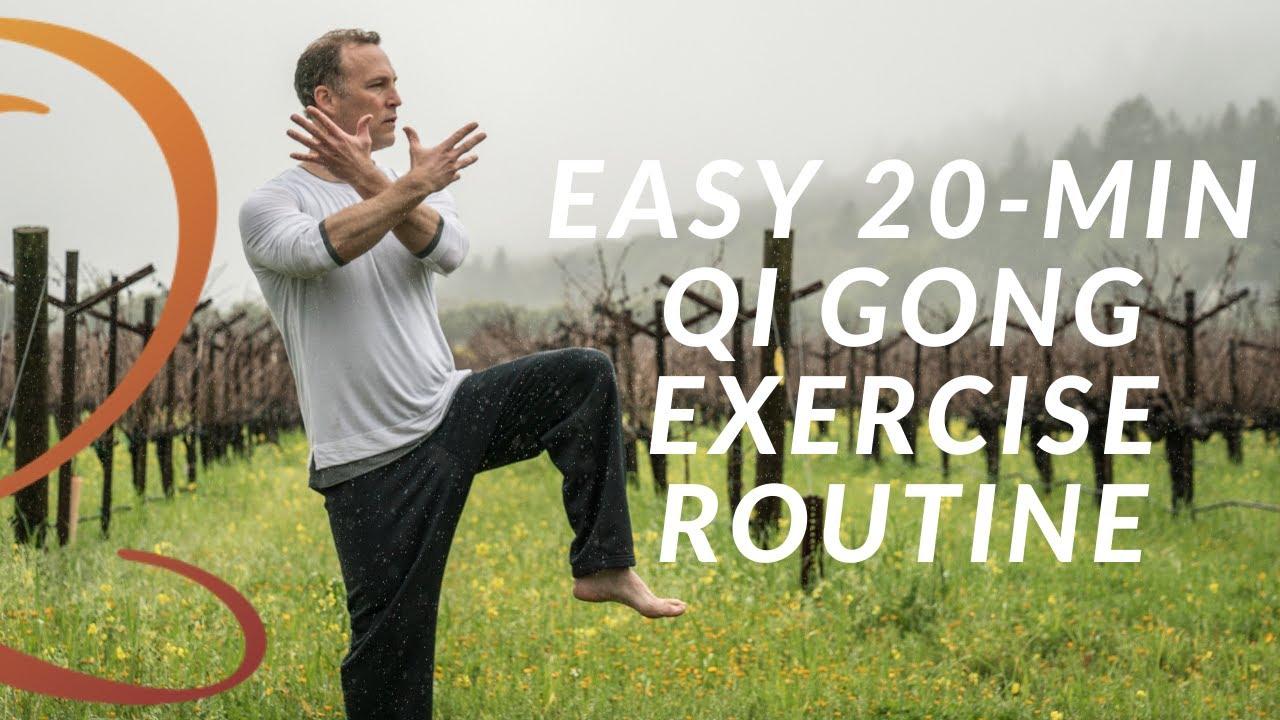
Qigong, an ancient practice rooted in traditional Chinese medicine, combines physical movement, breath control, and meditation to promote overall well-being. With its origins dating back thousands of years, this holistic discipline has garnered increasing attention in contemporary wellness circles for its potential health benefits. As more individuals seek alternative methods for managing stress, enhancing physical fitness, and improving mental clarity, understanding the fundamental techniques and advantages of Qigong becomes increasingly relevant. This article aims to provide an objective overview of Qigong workouts, examining their historical context, key practices, and the scientific evidence supporting their efficacy in promoting health and wellness.
Table of Contents
- Understanding the Fundamental Principles of Qigong
- Key Health Benefits Associated with Regular Qigong Practice
- Techniques for Integrating Qigong into Daily Fitness Routines
- Recommendations for Choosing the Right Qigong Style and Instructor
- Insights and Conclusions
Understanding the Fundamental Principles of Qigong
Qigong, an ancient practice rooted in Chinese philosophy, is centered around the harmonious flow of vital energy, or “Qi.” This concept emphasizes the interconnectedness of body and mind, promoting wellness through various movements, postures, and breathing techniques. Practitioners aim to cultivate a balanced state of being, enhancing both physical and mental health. The fundamental principles revolve around three core elements:
- Breath Control: Deep, slow breathing fosters relaxation and helps regulate the flow of Qi.
- Mindfulness: Maintaining focus on the present enhances awareness and energy perception.
- Movement Coordination: Gentle, flowing movements promote the body’s natural rhythms and ease tension.
By integrating these principles, individuals engage in a balanced practice that nurtures energy flow throughout the body. This holistic approach not only strengthens physical health but also cultivates emotional and mental resilience. In a complementary manner, the practice often includes meditative aspects, allowing for an enriched experience. To illustrate the beneficial impacts of consistent Qigong practice, here is a simple table outlining potential benefits:
| Benefit | Description |
|---|---|
| Stress Reduction | Promotes relaxation and decreases anxiety levels. |
| Improved Flexibility | Enhances range of motion through gentle stretching. |
| Enhanced Focus | Encourages mental clarity and concentration. |
| Better Balance | Strengthens core muscles and improves stability. |
Key Health Benefits Associated with Regular Qigong Practice
Engaging in regular Qigong practice offers a multitude of health benefits that extend to both the body and mind. One of the most significant advantages is the enhancement of cardiovascular health. This gentle form of exercise promotes efficient blood circulation, helping to lower blood pressure and improve overall heart function. Additionally, Qigong has been shown to reduce levels of stress and anxiety, fostering a sense of calm and emotional stability through its meditative movements and breathing techniques.
Moreover, Qigong contributes to improved flexibility and balance, making it an excellent practice for individuals of all ages, particularly seniors. The slow, deliberate movements not only strengthen the muscles but also fortify the joints, enhancing overall physical stability. Furthermore, it supports the body’s immune function, enabling greater resilience against illnesses. The holistic approach of Qigong integrates mind and body, resulting in a comprehensive wellness strategy that promotes vitality and longevity.
Techniques for Integrating Qigong into Daily Fitness Routines
Integrating Qigong into your daily fitness routine can be a seamless process that enhances both physical and mental well-being. To start, consider incorporating short Qigong sessions into your existing workouts. Here are some effective methods:
- Warm-Up and Cool Down: Use Qigong exercises as a gentle warm-up to prepare your body for more strenuous activities or as a calming cool down to promote recovery.
- Mindfulness Breaks: During your fitness routine, take brief pauses to practice Qigong breathing techniques, fostering a deeper connection between mind and body.
- Balance and Flexibility: Include Qigong movements that emphasize balance and flexibility to complement other exercises, enhancing overall mobility.
Moreover, setting specific goals can help you incorporate Qigong more effectively. Here’s a simple table showcasing potential weekly integration strategies:
| Day | Qigong Integration |
|---|---|
| Monday | 15 minutes of Qigong warm-up before cardio. |
| Wednesday | Practice Qigong breathing techniques during weight training breaks. |
| Friday | Cool down with 20 minutes of Qigong movements post-workout. |
| Saturday | Attend a local Qigong class or online session. |
Recommendations for Choosing the Right Qigong Style and Instructor
When seeking the right Qigong style and instructor, it’s essential to consider your personal goals, health conditions, and preferences. Different styles like Yang Style, Chen Style, and Medical Qigong cater to various needs, from martial arts to health benefits. Here are some points to weigh when making your choice:
- Prior Experience: Consider whether you are a beginner or have prior exposure to Qigong or other martial arts.
- Health Goals: Identify if you’re focusing on relaxation, rehabilitation, or martial applications.
- Instructor’s Background: Research their qualifications, teaching style, and experience level.
- Class Environment: Determine if you prefer small, intimate classes or larger groups for more social interaction.
Additionally, it’s wise to attend trial classes or workshops to gauge the instructor’s teaching approach and the class dynamics. A good instructor should not only be knowledgeable but also create an environment that encourages healing and growth. As you consider different instructors, keep in mind the following attributes:
- Communication Skills: Effective instructors can clearly explain and demonstrate techniques.
- Personal Connection: A rapport with your instructor can enhance your learning experience.
- Flexibility: The instructor should offer variations to accommodate all skill levels.
Ultimately, trust your instincts and take your time to find a style and instructor that resonate with you.
Insights and Conclusions
Qigong workouts offer a unique blend of physical exercise, meditation, and breath control that can contribute to overall health and well-being. The benefits, ranging from improved flexibility and balance to enhanced mental clarity and stress reduction, make Qigong an appealing practice for individuals of all ages and fitness levels. By exploring various techniques, practitioners can find methods that resonate with their personal goals and lifestyles. As with any workout regimen, consistency and mindful practice are key to reaping the full advantages of Qigong. Ultimately, integrating Qigong into one’s routine may foster not only physical vitality but also a deeper connection between the mind and body. For those considering embarking on this journey, seeking guidance from experienced instructors and engaging with the community can enhance the learning experience and provide additional support.