


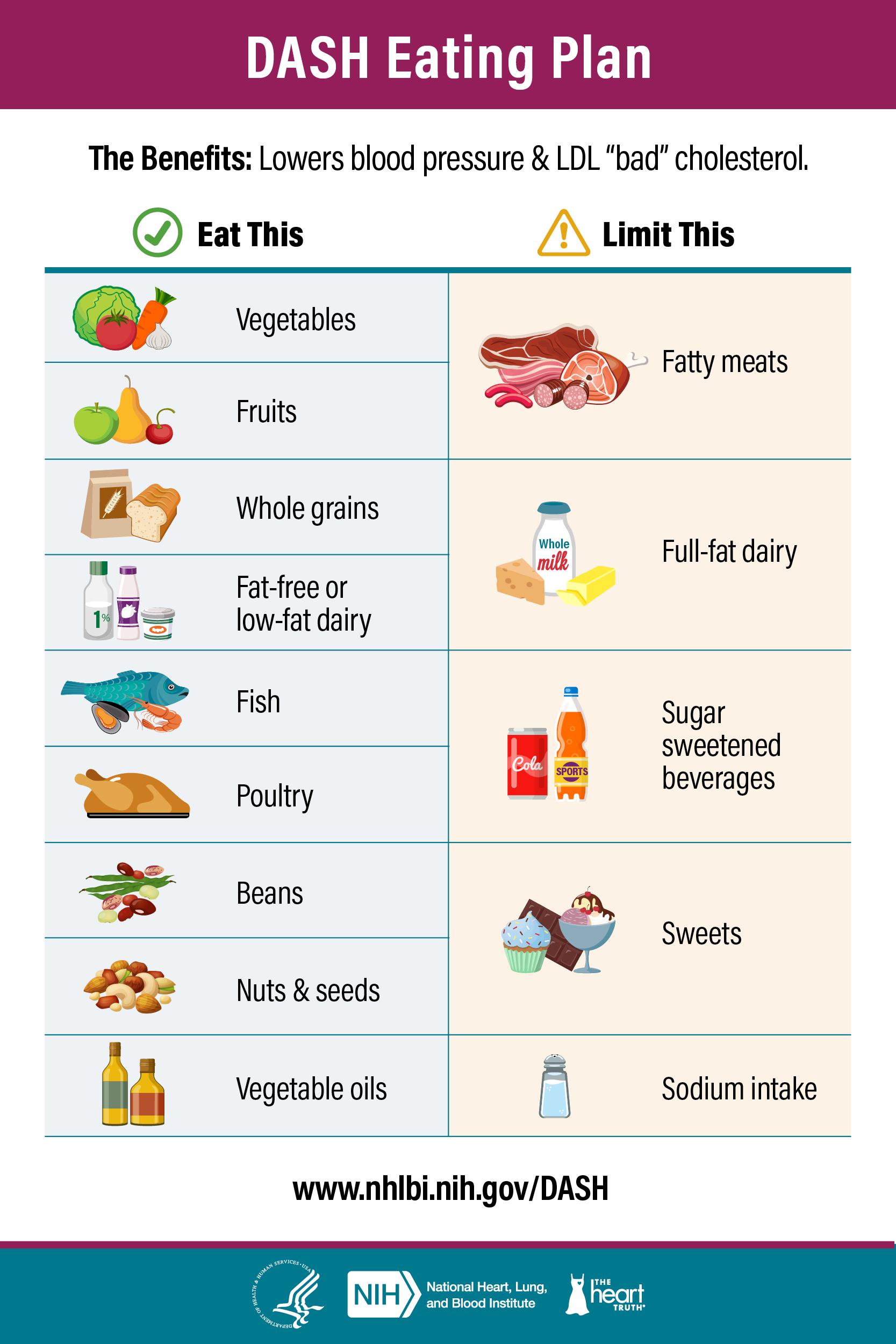
In a world where dietary guidelines can often feel overwhelming and conflicting, the DASH diet emerges as a beacon of simplicity and efficacy. Short for Dietary Approaches to Stop Hypertension, this eating plan isn’t just a remedy for high blood pressure; it’s a holistic approach to nourishment that offers a myriad of health benefits. Designed with flexibility in mind, the DASH diet incorporates a variety of foods that nourish the body while tantalizing the taste buds. From promoting heart health to aiding in weight management, the advantages are as diverse as the meals it encompasses. Join us as we delve into the versatile benefits of the DASH diet, unlocking the potential of this approachable lifestyle for a healthier, happier you.
Table of Contents
- Exploring the Foundations of the DASH Diet for Heart Health
- Nourishing Your Plate: Key Food Groups in the DASH Approach
- Effective Strategies for Sustaining the DASH Lifestyle
- Real-Life Success Stories: Transformations Through the DASH Diet
- To Conclude
Exploring the Foundations of the DASH Diet for Heart Health
The DASH diet, designed specifically to combat high blood pressure, offers a robust framework for heart health through its emphasis on whole foods and nutrient-rich options. At its core, the diet encourages a balanced intake of fruits, vegetables, whole grains, and lean proteins, while minimizing processed foods, sugars, and saturated fats. This focus on nutrient density not only aids in blood pressure regulation but also contributes to overall cardiovascular wellness. Key components of the diet include:
- High Potassium Intake: Essential for balancing sodium levels and promoting heart health.
- Low Sodium Levels: A critical factor in lowering blood pressure.
- Healthy Fats: Incorporation of sources like olive oil and nuts.
Another attractive aspect of this dietary approach is how it seamlessly integrates into a variety of culinary practices, making it not only effective but also enjoyable. With considerations for flavor and variety, the DASH diet is not a restrictive regimen but rather a flexible foundation for sustainable eating habits. It encourages the discovery of new recipes and cooking methods, often leading to a greater appreciation for fresh ingredients. A sample comparison of daily recommended servings emphasizes the diversity of the necessary food groups:
| Food Group | Daily Servings |
|---|---|
| Fruits | 4-5 |
| Vegetables | 4-5 |
| Whole Grains | 6-8 |
| Lean Protein | 2 or less |
| Dairy (low-fat) | 2-3 |
Nourishing Your Plate: Key Food Groups in the DASH Approach
The DASH approach to nutrition emphasizes a balanced intake of whole foods that contribute to overall well-being. By incorporating a variety of food groups, this diet promotes heart health and lowers blood pressure while keeping meals enjoyable and satisfying. Key components include:
- Fruits: Rich in essential vitamins, minerals, and antioxidants, fruits should make up a significant portion of daily intake.
- Vegetables: Colorful and nutrient-dense, vegetables offer fiber and a range of phytonutrients.
- Whole grains: Foods like brown rice, whole wheat bread, and oats provide energy and help regulate blood sugar levels.
- Lean proteins: Sources such as poultry, fish, beans, and legumes support muscle health without adding excess saturated fat.
- Low-fat dairy: Incorporating yogurt and milk can boost calcium and protein intake while keeping fat content in check.
Portion control and balance are essential in the DASH diet, encouraging a harmonious relationship with food. Additionally, healthy fats sourced from nuts, seeds, and olive oil can enhance flavors and deliver important nutrients. To illustrate the daily servings suggested by DASH, consider the following table:
| Food Group | Daily Servings |
|---|---|
| Fruits | 4-5 |
| Vegetables | 4-5 |
| Whole Grains | 6-8 |
| Lean Protein | 2 or fewer |
| Low-fat Dairy | 2-3 |
Effective Strategies for Sustaining the DASH Lifestyle
To maintain the DASH lifestyle effectively, it’s important to incorporate a variety of foods that not only contribute to heart health but also suit your palate. Start by stocking your kitchen with nutritious options. Focus on whole foods, including:
- Fruits and vegetables
- Whole grains like quinoa, brown rice, and oats
- Lean protein sources, such as fish, chicken, and legumes
- Healthy fats from nuts, seeds, and olive oil
Planning your meals ahead of time can prevent last-minute unhealthy choices. Consider creating a weekly menu that emphasizes portion control and variety. Keeping hydration in mind, aim for adequate water intake alongside your meals. A simple table to illustrate a balanced weekly plan is shown below:
| Day | Meal Idea | Snack |
|---|---|---|
| Monday | Grilled chicken salad with quinoa | Carrot sticks with hummus |
| Tuesday | Stir-fried tofu with broccoli and brown rice | Apple slices with almond butter |
| Wednesday | Vegetable omelet with whole-grain toast | Mixed nuts |
| Thursday | Spaghetti with lentil marinara sauce | Cucumber slices with tzatziki |
| Friday | Baked salmon with asparagus and sweet potatoes | Greek yogurt with berries |
With thoughtful planning and a wide array of healthy options, adopting and sustaining the DASH diet can become an enjoyable and rewarding lifestyle change. Prioritize your health by making gradual improvements and engaging in regular physical activity to complement your nutritional choices.
Real-Life Success Stories: Transformations Through the DASH Diet
Across the globe, individuals have embraced the DASH diet and experienced remarkable transformations in their overall health and well-being. Take Jane, for instance. After struggling with high blood pressure and weight gain for years, she decided to give the DASH eating plan a try. Within just a few months, Jane not only saw her blood pressure drop to safer levels but also shed 15 pounds. Her success story is a testament to how incorporating more fruits, vegetables, whole grains, and lean proteins can significantly change one’s lifestyle. Key elements of her DASH diet journey included:
- Regular meal planning
- Increased hydration with water instead of sugary drinks
- Emphasis on portion control
Similarly, Michael’s experience showcases the long-term benefits of the DASH diet. After being diagnosed with prediabetes, he recognized the urgent need for dietary changes. By following DASH principles, Michael successfully reversed his prediabetes and improved his energy levels. His journey inspired his family to join him in making healthier choices. The inclusion of low-fat dairy and nuts in his meals proved crucial. Here’s a quick snapshot of Michael’s key dietary adjustments:
| Food Category | Original Choices | DASH Alternatives |
|---|---|---|
| Breakfast | Fried eggs and bacon | Oatmeal topped with berries |
| Snacks | Chips | Almonds and mixed fruit |
| Dinner | Pasta with creamy sauce | Whole grain pasta with marinara and veggies |
To Conclude
In a world where wellness often seems like a complex puzzle, the DASH diet emerges as a key piece, unlocking a myriad of health benefits. As we’ve explored, this versatile eating plan not only promotes heart health and manages blood pressure, but it also fosters a balanced approach to nutrition that can be tailored to individual preferences. With its rich array of fruits, vegetables, whole grains, and lean proteins, the DASH diet encourages a lifestyle that celebrates flavor and nourishes the body.
As you consider integrating the principles of the DASH diet into your daily routine, remember that small, sustainable changes can lead to lasting impact. Whether you’re aiming to enhance your overall health, manage specific conditions, or simply explore new culinary delights, the DASH diet offers a comprehensive roadmap toward achieving your wellness goals. So, take a moment to reflect on your relationship with food, and embark on this journey of nourishment and vitality, unlocking the door to a healthier, more vibrant you.