


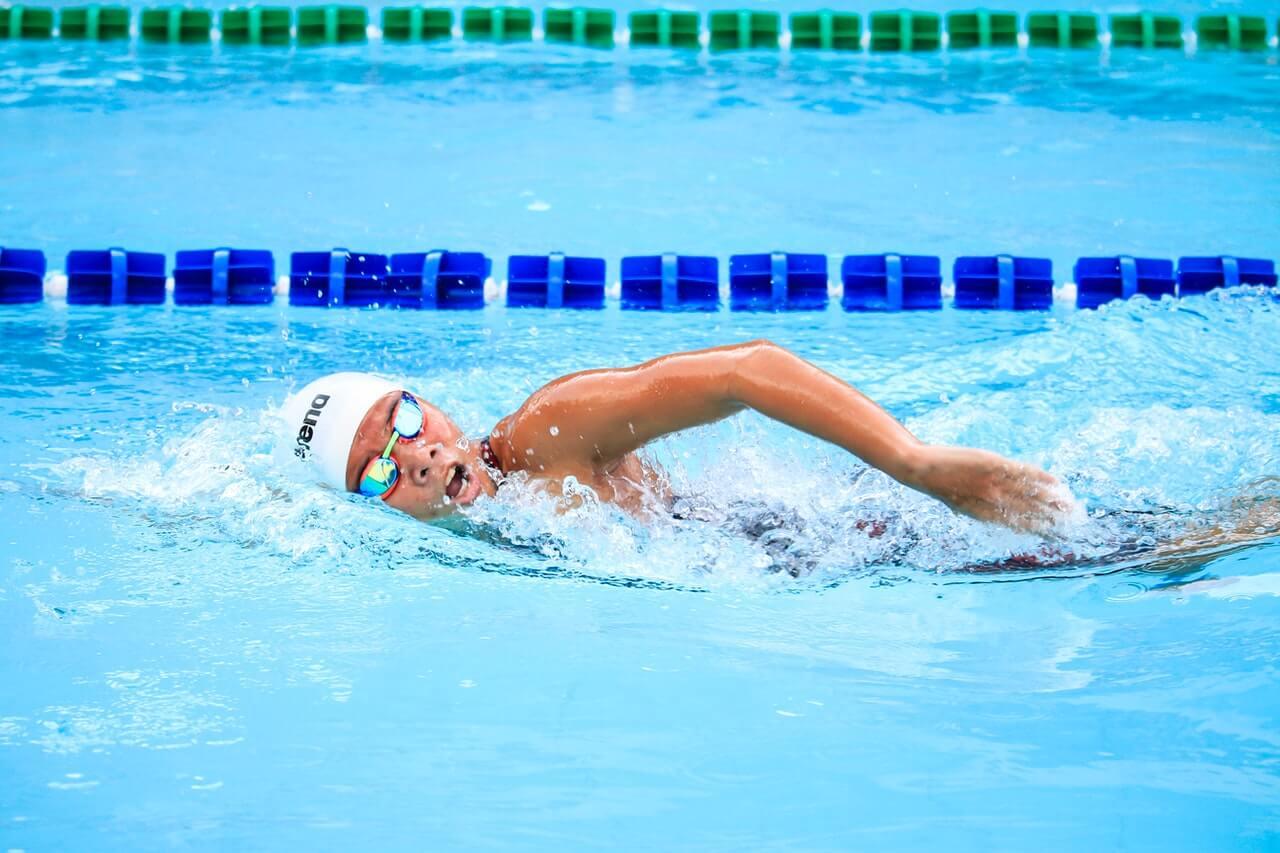
As summer’s warm embrace beckons us to search for respite in shimmering waters, the age-old joy of swimming resurfaces as more than just a leisurely escape. Beneath the surface of this invigorating pastime lies a treasure trove of cardiovascular benefits waiting to be uncovered. Whether you’re gliding gracefully through a pool or navigating ocean waves, swimming offers a unique blend of fun and fitness that engages the entire body while delivering a low-impact workout. In this exploration of “Splashes of Health,” we will dive deep into how this aquatic activity can revitalize your heart and enhance your overall well-being, making a compelling case for why every splash counts. Join us as we unravel the science behind the strokes, the rhythm of the breath, and the transformative power of water to inspire a healthier, more dynamic lifestyle.
Table of Contents
- Exploring the Cardiovascular Marvels of Swimming
- Techniques for Maximizing Your Heart Health in the Water
- The Role of Temperature and Environment in Swimming for Cardio Fitness
- Creating a Balanced Swim Routine for Optimal Heart Benefits
- In Summary
Exploring the Cardiovascular Marvels of Swimming
Swimming is not just a refreshing pastime; it provides a robust workout that keeps your heart in peak condition. The gentle resistance of water allows a low-impact exercise format that is easier on the joints while simultaneously engaging multiple muscle groups. By immersing yourself in water, you activate your cardiovascular system, enhancing blood circulation and optimizing your oxygen intake. Regular swimming can contribute to lower blood pressure, improved cholesterol levels, and a noticeable decrease in stress levels, all critical elements for maintaining a healthy heart.
Furthermore, the rhythmic nature of swimming promotes interval training as you alternate between strokes, speeds, and recovery periods, effectively increasing your heart rate and building endurance. The American Heart Association recommends a minimum of 150 minutes of moderate-intensity cardiovascular activity each week — swimming fits perfectly into this recommendation. Here’s a quick comparison of different swimming strokes and their cardiovascular benefits:
| Stroke Type | Cardio Benefits |
|---|---|
| Freestyle | High intensity, boosts endurance |
| Butterfly | Full-body workout, strengthens heart |
| Backstroke | Good for posture, moderate intensity |
| Breaststroke | Low impact, encourages relaxation |
Techniques for Maximizing Your Heart Health in the Water
Swimming offers a plethora of techniques to enhance your cardiovascular health while enjoying the cool embrace of the water. One effective method is to incorporate interval training into your aquatic routine. This involves alternating between periods of high-intensity swimming and lower-intensity recovery strokes. For instance, you can sprint the length of the pool and then swim slowly for one or two laps. This approach not only boosts your heart rate but also improves your stamina and endurance over time. Additionally, consider experimenting with different strokes to engage various muscle groups, each stimulating your heart rate in unique ways.
Another way to maximize heart health in the water is by utilizing aqua fitness classes and equipment designed for resistance training. Joining classes, such as water aerobics or aqua Zumba, can make the workout entertaining while simultaneously ensuring an effective cardiovascular workout. Incorporating tools like water dumbbells, noodles, or kickboards allows you to add resistance, increasing the overall intensity of your swim. Here’s a brief overview of some helpful techniques to incorporate into your routine:
| Technique | Description |
|---|---|
| Interval Training | Alternate between sprints and recovery swims for heightened cardiac effect. |
| Various Strokes | Mix different swimming techniques to engage diverse muscle groups. |
| Aqua Classes | Join group sessions for a fun way to maintain heart health. |
| Resistance Equipment | Use tools like dumbbells and noodles to intensify your workouts. |
The Role of Temperature and Environment in Swimming for Cardio Fitness
The connection between temperature, environment, and swimming can significantly shape your cardio fitness experience. Warm water tends to relax muscles, making it easier to perform fluid movements, while colder water can invigorate and boost your stamina. Swimmers often find that the overall thermal comfort of their environment plays a crucial role in their endurance and heart rate during workouts. When swimming in excessively warm environments, it’s essential to stay hydrated, as excessive sweating can lead to a decrease in performance and increased fatigue. Conversely, swimming in chilled waters can promote increased heart rate and calorie burn, stimulating greater cardiovascular efficiency.
The environment doesn’t just stop at temperature; factors such as humidity, altitude, and pool vs. open water settings also come into play. Each environment presents unique challenges and benefits. For instance, swimming in open water often requires adjusting to waves and currents, which engages more muscle groups and increases cardiovascular demand. Here’s a quick overview of how various settings impact swimming performance:
| Environment | Impact on Cardio Fitness |
|---|---|
| Warm Pool | Muscle relaxation; reduced resistance |
| Cold Water | Increased heart rate; greater calorie burn |
| Open Water | Engagement of multiple muscle groups; higher intensity |
| High Altitude | Enhanced lung capacity; increased performance challenge |
Creating a Balanced Swim Routine for Optimal Heart Benefits
To reap the highest cardiovascular rewards from swimming, it’s essential to develop a well-rounded swim routine that encompasses various strokes and intensities. Incorporating elements such as freestyle, butterfly, and breaststroke not only engages different muscle groups but also enhances your heart’s efficiency. Consider a weekly plan that involves:
- Warm-Up: Start with gentle stretches and 5-10 minutes of easy swimming.
- Interval Training: Alternate between high-intensity laps and active recovery. For example, swim 25 meters fast followed by 25 meters slow.
- Endurance Sets: Dedicate a session to longer swims (e.g., 200-400 meters) at a steady pace.
- Cool Down: Finish with slow swimming and stretches to prevent muscle tightness.
Pay attention to recovery as well, ensuring that your routine allows adequate rest. The heart needs time to repair and strengthen following intensive sessions, so vary the focus of your workouts throughout the week. Consider this sample weekly schedule to maintain balance:
| Day | Focus | Duration |
|---|---|---|
| Monday | Techniques and drills | 30 minutes |
| Wednesday | Interval training | 45 minutes |
| Friday | Endurance swim | 60 minutes |
| Saturday | Recovery/fun swim | 30 minutes |
In Summary
As we draw our exploration of swimming’s myriad cardiovascular benefits to a close, it’s clear that this aquatic activity is more than just a refreshing escape on a hot day. With each stroke you take through the water, you’re not only enhancing your heart’s health but also embracing a holistic approach to wellness that engages body and mind alike.
Whether you’re a seasoned swimmer or just dipping your toes into this vibrant world, remember that every splash contributes to your overall vitality. From improving circulation to alleviating stress, swimming serves as a gentle yet powerful ally in your fitness journey. So, the next time you’re on the edge of the pool, consider how each dive and lap not only unlocks physical strength but also invites a deeper connection with your well-being.
Dive in, rediscover the joy of movement, and let the waves of health wash over you, one stroke at a time. After all, in the water, you’re not just swimming; you’re making a splash in the journey toward a healthier life.