


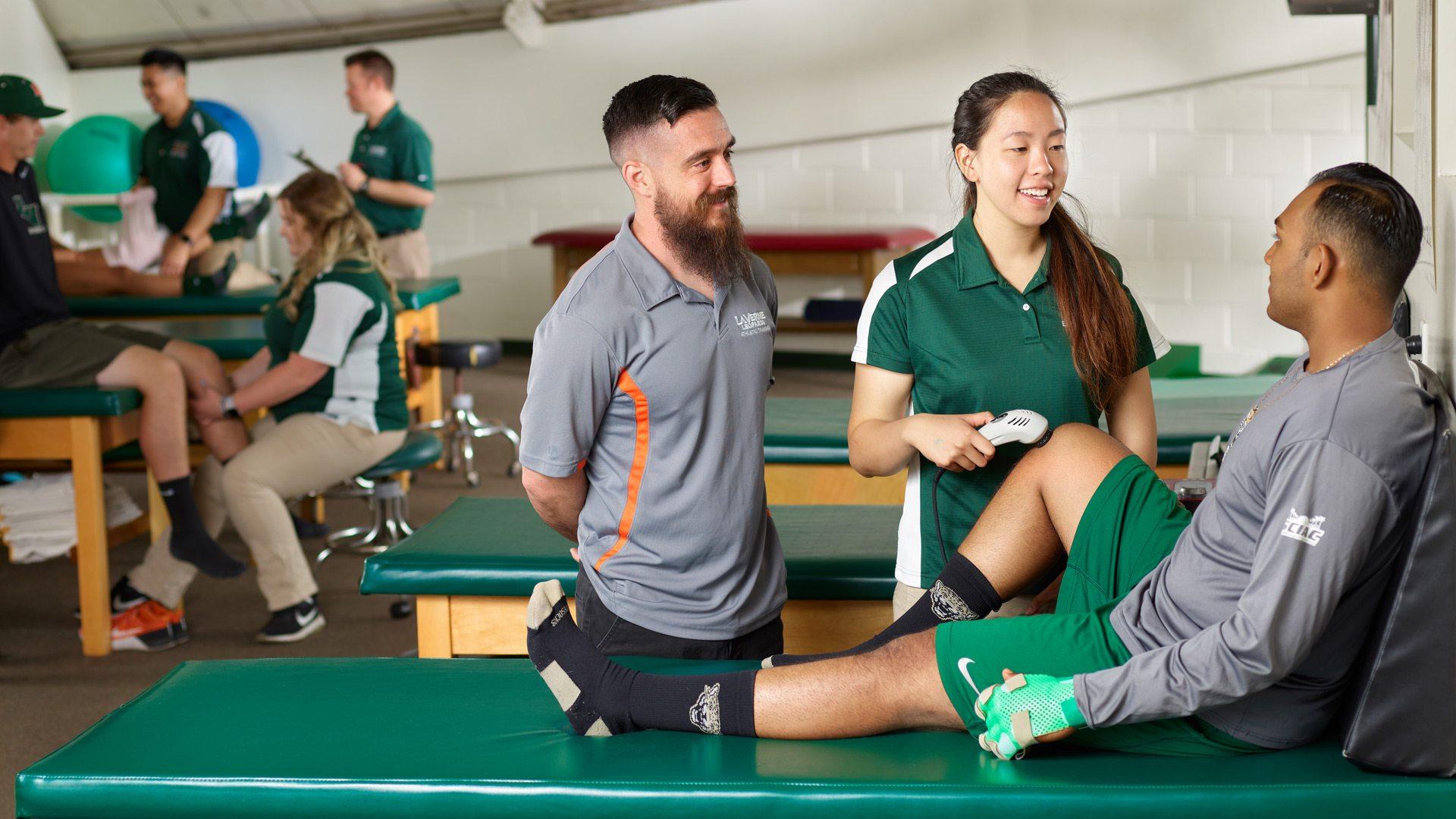
In the ever-evolving world of sports, the quest for excellence is driven by a singular goal: unlocking human potential. Athletic training programs have emerged as the cornerstone of this journey, aiming to refine not just physical capabilities but also the mental resilience and strategic thinking of athletes. From aspiring youth athletes to seasoned professionals, these programs offer a comprehensive approach to development that transcends traditional coaching methods. In this article, we embark on a deep dive into the anatomy of athletic training programs, exploring their multifaceted components, innovative techniques, and the pivotal role they play in shaping the next generation of sports heroes. Join us as we unravel the intricacies of these programs, shedding light on how they are designed to nurture talent, foster teamwork, and ignite the drive to excel, all while instilling a sense of discipline and sportsmanship that lasts a lifetime.
Table of Contents
- Exploring the Foundations of Athletic Training Program Design
- Innovative Techniques for Enhancing Performance and Recovery
- Cultivating Mental Resilience in Athletes Through Structured Curriculum
- Measuring Success: Metrics and Evaluation Strategies for Training Efficacy
- The Conclusion
Exploring the Foundations of Athletic Training Program Design
To truly harness the full potential of an athletic training program, a solid foundation in its design is essential. This involves understanding the unique needs of the athletes and the specific demands of their respective sports. Key elements to consider when designing an effective training program include:
- Goal Setting: Establish clear, measurable, and attainable objectives for athletes.
- Periodization: Implement structured training cycles that balance intensity and recovery.
- Individual Differences: Tailor programs to the unique physical and psychological attributes of each athlete.
- Sport-Specific Focus: Integrate drills and exercises that mirror competition conditions and demands.
Furthermore, continual assessment and adjustment of the training program play a crucial role in ensuring optimal athlete performance. Utilizing data-driven methods can aid in identifying strengths and weaknesses, allowing for targeted improvements. Consider employing the following strategies:
| Strategy | Description |
|---|---|
| Monitoring Progress | Regularly track performance metrics to communicate improvements. |
| Feedback Mechanisms | Encourage open communication between athletes and trainers to optimize techniques. |
| Recovery Protocols | Incorporate rest and recovery strategies to prevent overtraining and injuries. |
Innovative Techniques for Enhancing Performance and Recovery
Athletes continuously seek ways to elevate their training regimes, merging science with creativity to gain an edge over the competition. Some of the most innovative techniques include:
- Biofeedback Training: Utilizing technology to monitor physiological functions, enabling athletes to make real-time adjustments to their training intensity and focus.
- Low-Intensity Steady State (LISS) Workouts: Incorporating extended periods of low-intensity exercise to enhance fat oxidation and endurance without the risk of burnout.
- Incorporation of VR and AR: Utilizing virtual and augmented reality to simulate game scenarios, allowing for better strategic preparation without physical strain.
Recovery techniques are equally crucial, with innovative strategies ensuring athletes bounce back stronger and faster. Key methods encompass:
- Cryotherapy: Short bursts of cold exposure to reduce inflammation and expedite muscle recovery.
- Floatation Therapy: Facilitating deep relaxation and recovery through sensory deprivation, helping to alleviate stress and muscle tension.
- Active Release Techniques (ART): Manual therapy aimed at breaking down scar tissue and restoring optimal movement patterns.
| Technique | Benefits |
|---|---|
| Biofeedback Training | Real-time physiological monitoring |
| Cryotherapy | Reduces inflammation and promotes healing |
| Active Release Techniques | Improves mobility and reduces pain |
Cultivating Mental Resilience in Athletes Through Structured Curriculum
In the fast-paced world of athletics, mental resilience is a crucial determinant of an athlete’s performance. Developing a structured curriculum that incorporates mental training exercises is essential for fostering this resilience. Programs can be designed to focus on several key aspects, including:
- Self-awareness: Athletes learn to identify their strengths and weaknesses through reflective practices.
- Stress management: Techniques such as mindfulness and breathing exercises help athletes cope with pressure.
- Goal setting: Setting realistic and achievable goals can motivate athletes and enhance their focus.
- Visualization: Mental imagery techniques enable athletes to envision their success before it happens.
Implementing these strategies can be done through a combination of workshops, individual coaching sessions, and group activities. Consistency is key, and scheduling regular check-ins can help in assessing their mental growth. The following table outlines a potential structure for integrating mental resilience training into an athletic program:
| Session Type | Focus Area | Duration |
|---|---|---|
| Workshop | Self-awareness | 2 hours |
| One-on-one Coaching | Stress Management | 1 hour |
| Group Activity | Goal Setting | 1.5 hours |
| Visualization Training | Mental Imagery | 30 minutes |
Measuring Success: Metrics and Evaluation Strategies for Training Efficacy
Effective training programs hinge on the ability to measure progress and adapt strategies accordingly. Metrics serve as the backbone of understanding how well athletes are absorbing techniques and improving performances. Establishing clear Key Performance Indicators (KPIs) is essential, such as:
- Performance Metrics: Track improvements in speed, strength, or agility tailored to the specific sport.
- Participation Rates: Monitor attendance and engagement levels throughout the training sessions.
- Skill Acquisition: Evaluate accomplishments through pre-and post-assessments or skills tests.
- Injury Rates: Assess the correlation between training intensity and the frequency of injuries.
Utilizing both qualitative and quantitative data offers a more comprehensive view of training efficacy. Feedback mechanisms such as surveys and interviews provide anecdotal insights, while performance data highlights tangible progress. Implementing a Balanced Scorecard approach can effectively summarize this data into actionable insights. Below is a simple structure to illustrate key components:
| Metric | Description | Evaluation Method |
|---|---|---|
| Performance Improvement | Increase in goal-specific achievements | Pre/post-testing |
| Athlete Feedback | Subjective experience of training | Surveys/interviews |
| Injury Analysis | Frequency and severity of injuries | Injury logs |
The Conclusion
In the ever-evolving landscape of sports and fitness, the pursuit of athletic excellence is as much about passion as it is about science. As we’ve explored in this deep dive into athletic training programs, the journey towards unlocking potential is paved with knowledge, strategy, and unwavering dedication.
Whether you are a seasoned athlete, a coach, or a fitness enthusiast, understanding the intricacies of training methodologies can propel you towards greater heights. From the psychological aspects of motivation to the physiological underpinnings of performance, every facet plays an essential role in shaping both individual athletes and cohesive teams.
As we move forward from this exploration, consider how the insights gained can be applied to your own training regimen or that of those you support. Remember that the key to unlocking potential lies not just in the methods, but in the persistent pursuit of growth, resilience, and teamwork.
Embrace the journey, remain curious, and always strive for a deeper understanding. The potential to achieve greatness is within your reach—go forth and unlock it.