


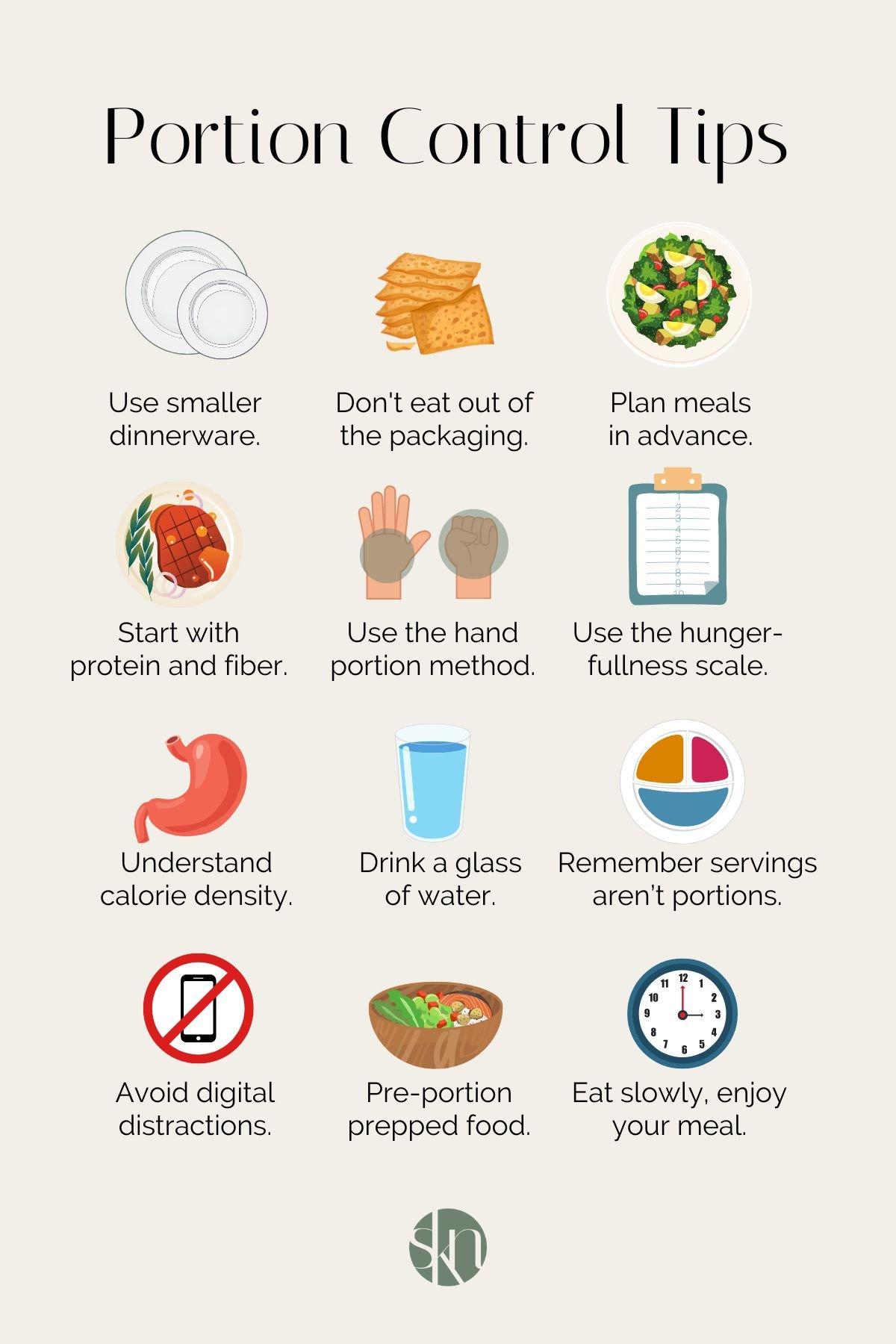
In a world where oversized servings and limitless buffet options dominate our dining experiences, the art of portion control often feels like a forgotten skill. Yet, mastering this essential practice can be a transformative key to effective weight loss and a healthier lifestyle. It’s not just about what you eat; it’s also about how much you consume. By learning to navigate portion sizes with mindfulness and intention, you can reclaim your relationship with food and facilitate sustainable weight management. This article delves into the science behind portion control, practical strategies to implement it in your daily routine, and the positive impact it can have on your journey to a healthier you. Join us as we explore the path to mastering portion control and unlock the door to lasting wellness.
Table of Contents
- Understanding the Science Behind Portion Sizes
- Practical Strategies for Accurate Portion Measurement
- Building Healthy Habits for Sustainable Weight Loss
- Overcoming Common Challenges in Portion Control
- Concluding Remarks
Understanding the Science Behind Portion Sizes
Portion sizes play a pivotal role in how our body processes food and can significantly influence our overall dietary habits. Understanding the science behind these measurements can empower you to make informed choices that foster a healthier lifestyle. One key factor to consider is visual perception; our brains often associate larger plates and bowls with a greater value, causing us to serve more than what our bodies actually need. Additionally, psychological elements like mindless eating—where individuals consume food without paying attention—heighten the potential for overeating. By becoming more aware of how portions affect our satiety signals, we can better align our intake with our actual energy requirements.
Another critical aspect is the nutritional content of different foods, which impacts how quickly we feel full. Foods high in fiber, such as fruits and vegetables, typically require larger volumes to achieve the same caloric content as more energy-dense options like nuts or fatty foods. These distinctions underline the importance of not just controlling portion size, but also making mindful choices about food composition. Implementing a few practical strategies can help, such as:
- Measuring your servings with household items (like cups or spoons) until you recognize appropriate amounts.
- Dividing meals into smaller plates, which can visually trick your mind into thinking you have a larger serving.
- Mindfully eating by reducing distractions, thus allowing your body to register fullness cues effectively.
Practical Strategies for Accurate Portion Measurement
Portion control is all about finding the right balance to help you stay on track with your weight loss goals. One effective method is using visual cues to estimate serving sizes. Consider the following tips for visual portion sizes:
- Fist-Size: Use your closed fist to gauge portions of fruits and vegetables.
- Palm-Size: A palm-sized serving is ideal for protein like chicken or fish.
- Thumb-Size: Use your thumb to measure fats such as butter or oil.
Incorporating tools into your routine can also make measurements more accurate. Utilizing measuring cups and kitchen scales can take the guesswork out of portioning your meals. Here’s a simple table that outlines some common foods and their standard serving sizes:
| Food Item | Standard Serving Size |
|---|---|
| Cooked Rice | 1/2 cup |
| Pasta | 1 cup |
| Leafy Greens | 1 cup (raw) |
| Peanut Butter | 2 tablespoons |
Building Healthy Habits for Sustainable Weight Loss
Mastering portion control is the cornerstone of sustainable weight loss. By recognizing the balance between hunger and satiety, you can make informed decisions about how much to eat. Start by understanding serving sizes and the nutritional value of the foods you enjoy. Begin with these practical tips:
- Use smaller plates and bowls: Visual cues play a significant role in how much we eat. By downsizing your dinnerware, you can trick your mind into feeling satisfied with less.
- Measure your servings: Get familiar with portion sizes by using measuring cups or a food scale. This practice helps you identify what a healthy portion really looks like.
- Pay attention to labels: Nutrition labels provide information that can guide your choices. Take a moment to read them before indulging.
Another effective strategy involves being mindful about what you’re eating. Focus on creating meals that are not only visually appealing but also nutrient-dense. Consider this simple table to help you construct balanced plates:
| Food Group | Examples | Suggested Portion Size |
|---|---|---|
| Vegetables | Spinach, carrots, broccoli | Half of your plate |
| Proteins | Chicken, beans, tofu | One quarter of your plate |
| Whole Grains | Brown rice, quinoa, whole-grain bread | One quarter of your plate |
| Fats | Avocado, olive oil, nuts | A small handful or tablespoon |
By incorporating these mindful eating practices, you can establish a healthier relationship with food while still enjoying your favorite meals. Remember, it’s not just about what you eat, but how much you consume that can lead to lasting change.
Overcoming Common Challenges in Portion Control
Portion control can feel overwhelming, especially when faced with tempting oversized servings at restaurants or during family gatherings. Mindful eating can be an effective tool in this journey. Start by slowing down your eating pace, which allows your brain to register satiety signals more effectively. Again, eyeing portions can be tricky when our dishes are oversized, so it’s essential to have strategies in place, such as:
- Using smaller plates to create the illusion of a fuller plate.
- Pre-portioning snacks into small containers rather than eating straight from the bag.
- Focusing on filling your plate with vegetables first, allowing for a healthy base.
Understanding your body’s hunger cues is crucial. Humans often eat out of habit rather than hunger. Establishing a routine that includes regular meal times can combat this. Consider keeping a food diary to track your eating habits, as this will highlight trends and potential problem areas. Additionally, here’s a simple table to help visualize and manage your ideal portion sizes:
| Food Group | Recommended Portion Size |
|---|---|
| Vegetables | Half of your plate |
| Proteins | Quarter of your plate |
| Grains | Quarter of your plate |
| Fats | 1-2 tablespoons |
Concluding Remarks
mastering portion control is not just about reducing the quantity of food on your plate; it’s about cultivating a mindful relationship with your meals. By understanding the nuances of portion sizes and listening to your body’s hunger cues, you can transform your eating habits and embrace a sustainable approach to weight loss. Remember, this journey is not merely about restriction but rather about empowerment and choice. As you embark on your path to a healthier lifestyle, let portion control be the compass that guides you toward balanced nutrition and lasting satisfaction. Celebrate each step, be patient with yourself, and watch as small changes lead to significant results. Your journey to effective weight loss begins today—take the first step with confidence.