


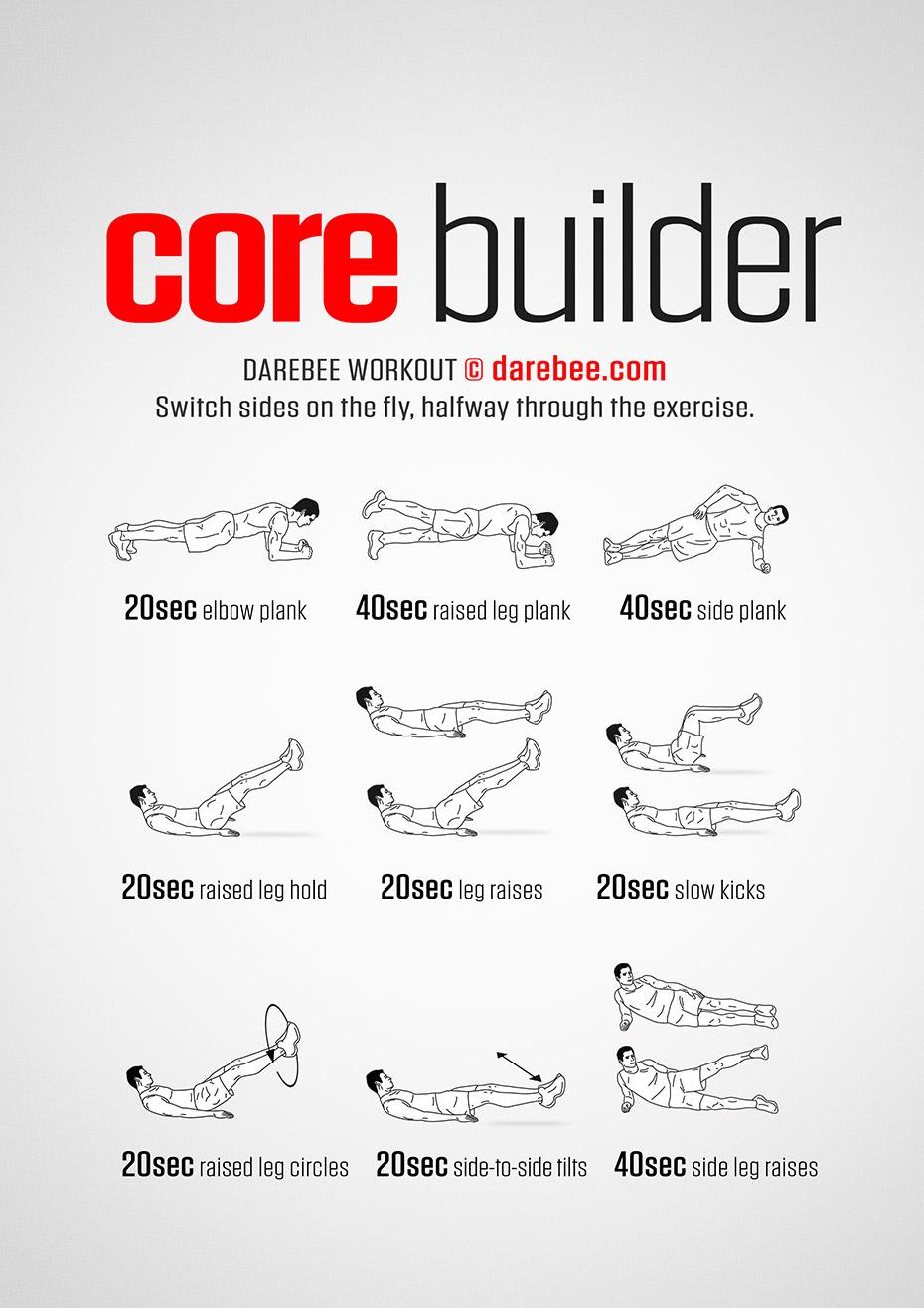
Core strength is an essential component of overall physical fitness, impacting not only athletic performance but also everyday activities and injury prevention. As the body’s center of gravity, a strong core facilitates better balance, stability, and posture, while also supporting movements that engage multiple muscle groups. This article will explore effective core workouts that target various abdominal and back muscles, outlining their benefits and providing guidance on proper techniques. By examining a range of exercises, from traditional planks to dynamic movements, we aim to offer a comprehensive resource for individuals seeking to enhance their core strength and stability.
Table of Contents
- Understanding the Role of Core Muscles in Overall Fitness
- Identifying Essential Exercises for Core Strength and Stability
- Implementing Core Workouts into Your Fitness Routine
- Evaluating Progress and Adjusting Core Training Strategies
- Concluding Remarks
Understanding the Role of Core Muscles in Overall Fitness
Core muscles play a pivotal role in maintaining overall fitness and enhancing athletic performance. These muscles, which include the rectus abdominis, transverse abdominis, internal and external obliques, and the muscles of the lower back, work in unison to stabilize the body during various movements. Strengthening your core not only improves balance and coordination but also supports proper posture, which can prevent injuries and alleviate back pain. When the core is strong, other muscle groups function more efficiently, allowing for better performance in both strength training and aerobic exercises.
Implementing targeted workouts that engage these essential muscles can yield significant benefits for anyone, regardless of their fitness level. Here are some effective core exercises that you can incorporate into your routine:
- Planks: Enhances endurance and stability.
- Russian Twists: Engages oblique muscles for rotational strength.
- Bicycle Crunches: Works the entire abdominal area effectively.
- Leg Raises: Targets lower abs and hip flexors.
- Bird-Dog: Promotes balance and spinal stability.
Combining these exercises in a structured workout plan can lead to improvements in both strength and stability over time. Consider this sample routine that focuses on core engagement:
| Exercise | Duration/Reps |
|---|---|
| Plank | 30-60 seconds |
| Russian Twists | 15-20 per side |
| Bicycle Crunches | 15-20 per side |
| Leg Raises | 10-15 reps |
| Bird-Dog | 10 per side |
Identifying Essential Exercises for Core Strength and Stability
Core strength and stability are critical components of overall fitness, serving as the foundation for many physical activities. To develop these qualities, it’s essential to incorporate a variety of exercises that target different muscle groups surrounding the core, including the abdominal muscles, obliques, back, and pelvic floor. Some effective exercises might include:
- Plank Variations: These enhance isometric strength and endurance.
- Dead Bugs: This movement builds coordination and stability.
- Bicycle Crunches: Engages multiple areas of the core, focusing on the obliques.
- Glute Bridges: Strengthens the posterior chain while stabilizing the core.
- Russian Twists: These promote rotational strength and flexibility.
Incorporating a mix of dynamic and static exercises that challenge the core in various planes of motion can yield significant improvements in strength and stability. It’s also beneficial to perform these exercises with controlled movements to ensure proper form and maximize engagement of the core muscles. Tracking your progress can be advantageous, and the following table outlines a sample weekly workout schedule to help guide your core training journey:
| Day | Exercise | Duration/Repetitions |
|---|---|---|
| Monday | Plank Variations | 3 sets of 30 seconds |
| Tuesday | Dead Bugs | 3 sets of 10 reps |
| Wednesday | Rest or Light Stretching | – |
| Thursday | Bicycle Crunches | 3 sets of 15 reps |
| Friday | Glute Bridges | 3 sets of 12 reps |
| Saturday | Russian Twists | 3 sets of 15 reps |
| Sunday | Rest | – |
Implementing Core Workouts into Your Fitness Routine
Integrating core workouts into your fitness routine can significantly enhance overall strength and stability, providing a solid foundation for various physical activities. To effectively incorporate these exercises, consider the following strategies:
- Schedule Consistency: Aim for core workouts at least 2-3 times per week to establish a rhythm.
- Variety of Exercises: Include different movements to target various muscle groups within the core, such as:
- Planks
- Bicycle Crunches
- Russian Twists
- Progressive Overload: Gradually increase intensity or resistance to continuously challenge the core muscles.
In addition to these strategies, keeping track of your progress can further motivate and refine your routine. Consider employing a simple table to note the exercises, repetitions, and sets performed:
| Exercise | Repetitions | Sets |
|---|---|---|
| Plank | 30 sec | 3 |
| Bicycle Crunches | 15 | 3 |
| Russian Twists | 20 | 3 |
Maintaining focus on form and technique is crucial, as improper movements can lead to injuries and hinder progress. Always listen to your body, allowing for rest days when necessary to promote recovery and gain muscle strength.
Evaluating Progress and Adjusting Core Training Strategies
As you integrate core training into your fitness regimen, it’s essential to periodically assess your progress to ensure that your strategies are effectively enhancing strength and stability. One way to gauge your improvement is through regular performance testing. This may include measuring your plank endurance, the number of repetitions in specific exercises, or monitoring your stability during movements like single-leg balances. Keep a detailed log of these metrics to visualize your progress over time. Additionally, consider incorporating feedback from personal trainers or experienced workout partners who can offer insights on your form and technique, ultimately guiding your training journey.
Adjusting your core training strategies based on evaluation metrics is vital for continued growth. If you notice stagnation or a plateau in your progress, it may be time to reassess your current program. Here are some actionable strategies to consider:
- Increase Intensity: Incorporate resistance bands, medicine balls, or weights to challenge your core further.
- Variety: Change your exercises regularly to engage different muscles and prevent boredom.
- Focus on Functional Movements: Include exercises that simulate real-life activities, enhancing day-to-day stability.
To help streamline your adjustments, refer to the following table evaluating core exercises by their intensity and primary focus:
| Exercise | Intensity Level | Primary Focus |
|---|---|---|
| Plank | Moderate | Stability |
| Russian Twists | High | Rotational Strength |
| Dead Bug | Low | Coordination and Core Control |
Concluding Remarks
developing a strong and stable core is essential for overall fitness and functional performance. The exploration of effective core workouts reveals that a variety of exercises can contribute to strength, stability, and endurance. Incorporating diverse training methods, such as pilates, stability ball exercises, and resistance training, can enhance core engagement and promote muscle balance. It is important for individuals to select workouts that align with their personal fitness levels and goals while ensuring proper form and technique to prevent injury. Ultimately, consistent practice of these core workouts can lead to significant improvements in physical performance and daily activities, supporting a healthier and more active lifestyle.