


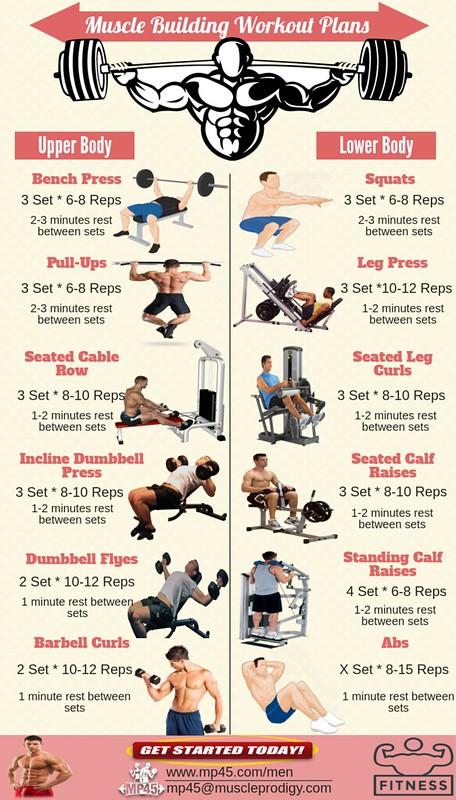
In today’s fitness-oriented society, many men are seeking structured approaches to enhance their physical health and overall well-being. With a myriad of workout programs available, it can be challenging to identify which routines will yield the most effective results. This comprehensive guide aims to demystify the process by providing evidence-based workout routines tailored for men’s fitness needs. By examining various training modalities, from strength training and cardiovascular exercises to flexibility and mobility routines, this article will equip readers with the knowledge necessary to design a balanced workout plan. Whether you’re a beginner looking to start your fitness journey or an experienced gym-goer aiming to refine your regimen, this guide offers practical insights to help you achieve your fitness goals.
Table of Contents
- Understanding the Importance of Tailored Workout Routines for Men
- Key Components of an Effective Strength Training Program
- Incorporating Cardiovascular Exercise for Optimal Fitness
- Nutrition Strategies to Complement Workout Regimens
- The Conclusion
Understanding the Importance of Tailored Workout Routines for Men
Fitness is not a one-size-fits-all journey; understanding individual goals, body types, and fitness levels is crucial for effective training. Men can achieve optimal results when their workout routines are personalized. Tailored workout plans can address specific needs, such as improving strength, building endurance, or enhancing flexibility. This custom approach helps to avoid plateaus and reduces the risk of injury, as the exercises chosen will match the man’s unique capabilities and fitness objectives.
When designing a workout routine, various elements come into play to ensure its success:
- Assessment: Analyzing current fitness levels and experience.
- Goals: Defining clear short-term and long-term fitness objectives.
- Variety: Including a mix of cardiovascular, strength, and flexibility training to maintain engagement and interest.
- Progression: Gradually increasing intensity or duration to continue making gains.
- Recovery: Implementing rest days and active recovery to allow optimal growth and prevent burnout.
By focusing on these facets, men can maximize their workout effectiveness and foster a sustainable fitness lifestyle.
Key Components of an Effective Strength Training Program
Building a robust strength training program hinges on several critical components that collectively enhance performance and minimize the risk of injury. First and foremost, an effective program incorporates compound movements, which engage multiple muscle groups simultaneously, maximizing efficiency and promoting overall strength. Key exercises such as squats, deadlifts, and bench presses should form the foundation of your workout. Additionally, incorporating progressive overload is essential; gradually increasing weights or resistance challenges muscles, fostering growth and improvements in muscular endurance.
Another vital aspect is the inclusion of adequate recovery and periodization in training. Allowing muscles to rest is as important as the workouts themselves; this can be achieved through structured rest days and deload weeks that prevent burnout and overtraining. Furthermore, your program should be goal-oriented, tailored to specific objectives, whether it be building muscle mass, increasing endurance, or enhancing athletic performance. To illustrate how these components can come together, consider the following sample structure:
| Week | Focus | Key Exercises | Recovery Days |
|---|---|---|---|
| 1-4 | Strength Building | Squats, Deadlifts, Bench Press | 2 Days |
| 5-6 | Hypertrophy | Incline Press, Rows, Lunges | 2 Days |
| 7-8 | Deload | Light Compound Movements | 3 Days |
Incorporating Cardiovascular Exercise for Optimal Fitness
To achieve optimal fitness, cardiovascular exercise should be a staple in any workout routine. By engaging in regular cardio sessions, men can not only increase their endurance but also improve overall heart health. The beauty of cardiovascular training lies in its versatility; it can be performed indoors or outdoors, and can be tailored to fit any schedule. Incorporating activities such as running, cycling, swimming, or even brisk walking can break the monotony and keep you motivated. For best results, aim for at least 150 minutes of moderate-intensity or 75 minutes of high-intensity cardiovascular exercise each week, spread throughout the week for consistency.
Integrating different types of cardio into your regimen can greatly enhance results and maintain interest. Consider these options to diversify your workouts:
- High-Intensity Interval Training (HIIT): Short bursts of intense activity followed by rest periods.
- Steady-State Cardio: Maintaining a consistent, moderate pace for extended periods.
- Cross-Training: Combining various cardio methods to work different muscle groups and prevent injury.
- Group Classes: Engaging in communal fitness activities can be both fun and motivating.
| Exercise Type | Benefits |
|---|---|
| Running | Boosts cardiovascular health and burns calories. |
| Cycling | Low-impact on joints, improves leg strength. |
| Swimming | Full-body workout, excellent for recovery. |
| HIIT | High calorie burn in shorter periods, time-efficient. |
Nutrition Strategies to Complement Workout Regimens
Nutritional choices play a crucial role in maximizing the benefits of any workout regimen. To effectively fuel training sessions and aid recovery, it’s essential to integrate a balanced diet rich in macronutrients and micronutrients. Focus on incorporating complex carbohydrates such as quinoa, brown rice, and sweet potatoes to provide sustained energy. Additionally, ensure a sufficient intake of lean proteins like chicken, fish, and legumes to support muscle repair and growth. Do not overlook the importance of healthy fats from sources like avocados and nuts, which are vital for hormone regulation and overall well-being.
Hydration is another key aspect of nutrition that cannot be ignored. Maintaining optimal fluid balance helps improve performance and recovery. Aim to drink water consistently throughout the day, and consider electrolytic drinks after intense sweat sessions. It’s also beneficial to plan nutritious snacks around workout times; options like a banana with nut butter or a protein smoothie can enhance energy levels before exercise and speed up recovery afterwards. Below is a simple table summarizing effective pre- and post-workout snacks:
| Snack Type | Benefits |
|---|---|
| Pre-Workout | Boosts energy levels |
| Banana with Nut Butter | Provides quick carbohydrates and healthy fats |
| Post-Workout | Supports recovery |
| Protein Smoothie | Replenishes lost nutrients and aids muscle recovery |
The Conclusion
establishing an effective workout routine is essential for men seeking to enhance their physical fitness and overall well-being. This comprehensive guide has outlined key principles, including the importance of setting clear goals, balancing different types of exercises, and adhering to proper nutrition and recovery strategies. By personalizing a workout plan that suits individual lifestyles and preferences, men can achieve sustainable results and foster long-term health benefits. It is crucial to remain adaptable and open to adjustments, as fitness is a dynamic journey that may require periodic reevaluation. With commitment and consistency, the right workout routine can lead to significant improvements in strength, endurance, and quality of life.