


Hey there! If you’ve stumbled across this article, chances are you’ve heard the buzz surrounding intermittent fasting (IF) and are curious about what all the hype is about. Whether you’re looking to shed a few pounds, boost your energy levels, or simply want to explore a new way of eating, intermittent fasting is making waves for a reason. It’s not just another diet trend; it’s a lifestyle change that many are swearing by. In this guide, we’ll break down the basics, clarify common misconceptions, and share practical tips to help you navigate the intermittent fasting world like a pro. So grab a snack (not that you’ll be eating it for a while!) and let’s dive into everything you need to know about unlocking the buzz of intermittent fasting!
Table of Contents
- Understanding Intermittent Fasting and How It Works
- Popular Intermittent Fasting Methods You Should Try
- Tips for Sticking to Your Fasting Plan Without Losing Your Mind
- Nourishing Your Body: What to Eat During Eating Windows
- Wrapping Up
Understanding Intermittent Fasting and How It Works
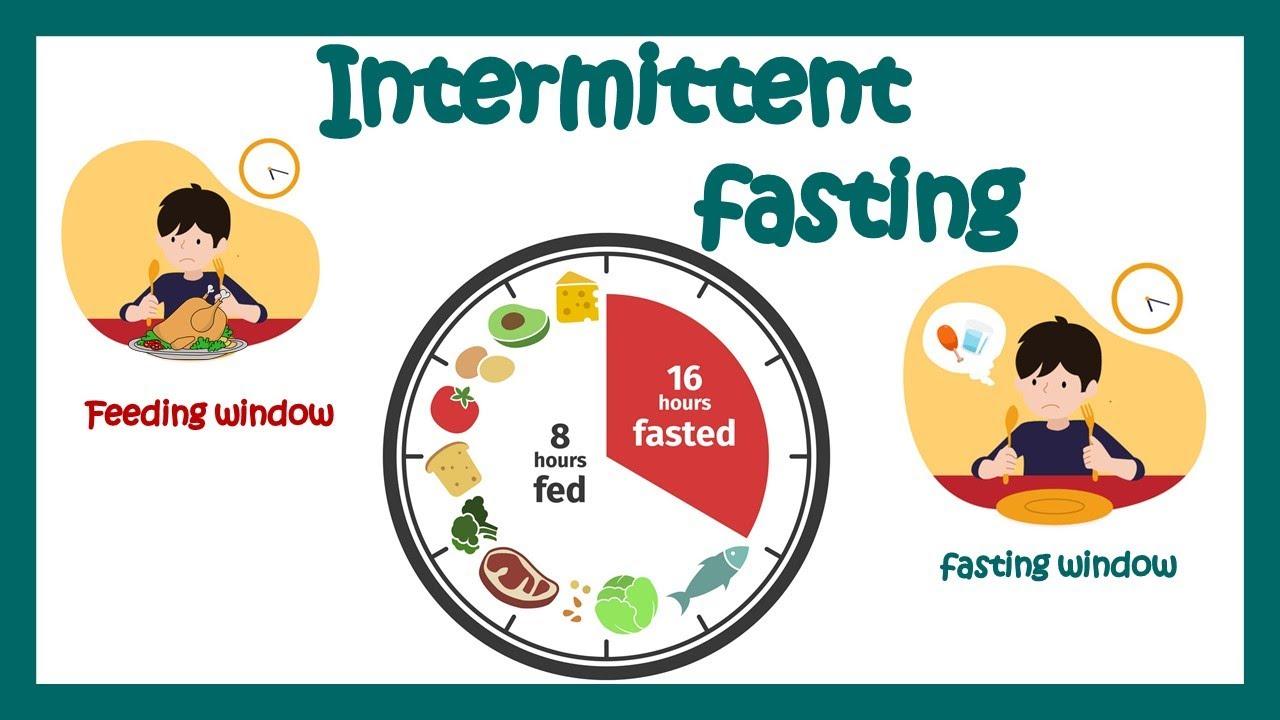
Intermittent fasting (IF) has become a popular approach for many seeking to enhance their health and well-being. Simply put, it involves cycling between periods of eating and fasting. During fasting, your body shifts from using glucose as fuel to utilizing stored fat, which can lead to weight loss and other health benefits. But how does this all work? The key lies in our body’s ability to adapt during these fasting windows. With decreased insulin levels and increased human growth hormone (HGH), your metabolism is enhanced, allowing the body to tap into fat reserves more efficiently.
There are various methods of intermittent fasting that you can choose from, depending on your lifestyle and personal goals. Some popular approaches include:
- 16/8 Method: Fast for 16 hours and eat during an 8-hour window each day.
- 5:2 Diet: Eat normally for 5 days a week and restrict calorie intake to about 500-600 calories for the other 2 days.
- Eat-Stop-Eat: Involves 24-hour fasts once or twice a week.
Regardless of the particular method you choose, the results of intermittent fasting can be notable, spanning from weight loss and improved metabolic health to better mental clarity and longevity.
Popular Intermittent Fasting Methods You Should Try
If you’ve been intrigued by the idea of intermittent fasting, you’re in for a treat! Many individuals have discovered various methods that fit their lifestyles while aiming for better health. Some popular approaches include:
- 16/8 Method: Fast for 16 hours each day and eat during an 8-hour window. This is a favorite among beginners.
- The 5:2 Diet: Eat normally for five days a week and restrict your calorie intake to 500-600 calories on two non-consecutive days.
- Eat-Stop-Eat: Involves fasting for a full 24 hours once or twice a week. It can be a bit challenging but is effective.
- Alternate Day Fasting: Switch between a fasting day and a regular eating day. This can be a good option for those looking for flexibility.
- The Warrior Diet: Inspired by ancient warriors, eat small amounts during the day and feast at night.
Choosing the right method may depend on your preferences and daily routine. To highlight what each method entails, check out the table below:
| Method | Fasting Duration | Feeding Window |
|---|---|---|
| 16/8 | 16 hours | 8 hours |
| 5:2 | 2 days (500-600 calories) | 5 days (normal eating) |
| Eat-Stop-Eat | 24 hours | Varies |
| Alternate Day | 1 day fasting | 1 day normal |
| Warrior Diet | 20 hours | 4 hours |
Experimenting with these methods can lead to a better understanding of your body’s needs and how you respond. It’s all about finding a rhythm that works for you and embracing the journey towards improved wellness!
Tips for Sticking to Your Fasting Plan Without Losing Your Mind
Sticking to a fasting plan can feel like a rollercoaster ride, but fear not! Here are some effective strategies to keep your focus sharp and your cravings at bay. First, stay hydrated; water is your best friend during fasting. It not only helps curb hunger pangs but also keeps your energy levels stable. Try infusing your water with lemon or cucumber for a refreshing twist. Next, prioritize balanced meals during your eating window. Filling your plate with a healthy mix of proteins, healthy fats, and fiber can make a huge difference in how satisfied you feel. Think of meals that are delicious yet nourishing—like a hearty salad topped with grilled chicken, avocado, and nuts!
Another helpful tip is to stay busy. When you’re occupied, you’re less likely to dwell on food. Take up a new hobby, dive into a good book, or organize your closet—anything to keep your mind off your next meal! Also, consider connecting with a community. Finding others who are on the same journey can provide you with support, encouragement, and motivation. Share your experiences, tips, and even struggles. Remember, keeping a journal can also be an excellent way to track your progress and reflect on your feelings during fasting days. It’s a great way to maintain a positive mindset while navigating your fasting journey!
Nourishing Your Body: What to Eat During Eating Windows
When you hit your eating window, make every bite count! Focus on balancing your meals with a variety of nutrients that will fuel your body and keep you feeling satisfied. Aim to incorporate whole foods that are rich in vitamins and minerals. Here are some food groups to consider:
- Lean Proteins: Chicken, turkey, fish, beans, and legumes.
- Healthy Fats: Avocados, nuts, seeds, and olive oil.
- Fiber-Rich Carbs: Whole grains, fruits, and vegetables.
Hydration is equally important during your eating windows. Make sure you’re drinking enough water, and consider drinks that are both nutritious and low in calories. A simple guide can help you make the right choices:
| Drink Type | Benefits |
|---|---|
| Water | Hydrates, zero calories. |
| Herbal Tea | Rich in antioxidants, calming effects. |
| Green Smoothies | Nutrient-dense, energizing blend of greens and fruits. |
Wrapping Up
“” has hopefully shed some light on this trendy eating approach and why it’s captured the attention of so many health enthusiasts. Whether you’re curious about the potential benefits, looking for practical tips to get started, or just wanting to understand how it fits into your lifestyle, intermittent fasting might just be the key to unlocking a healthier you. Remember, it’s all about finding what works best for your body and your routine—there’s no one-size-fits-all solution here!
As you dive into your intermittent fasting journey, keep an open mind, listen to how your body responds, and don’t hesitate to experiment a little. Enjoy the process, and soon enough, you’ll be buzzing with newfound energy and focus. So, grab a glass of water, set your eating windows, and get ready to savor the ride. Happy fasting!