


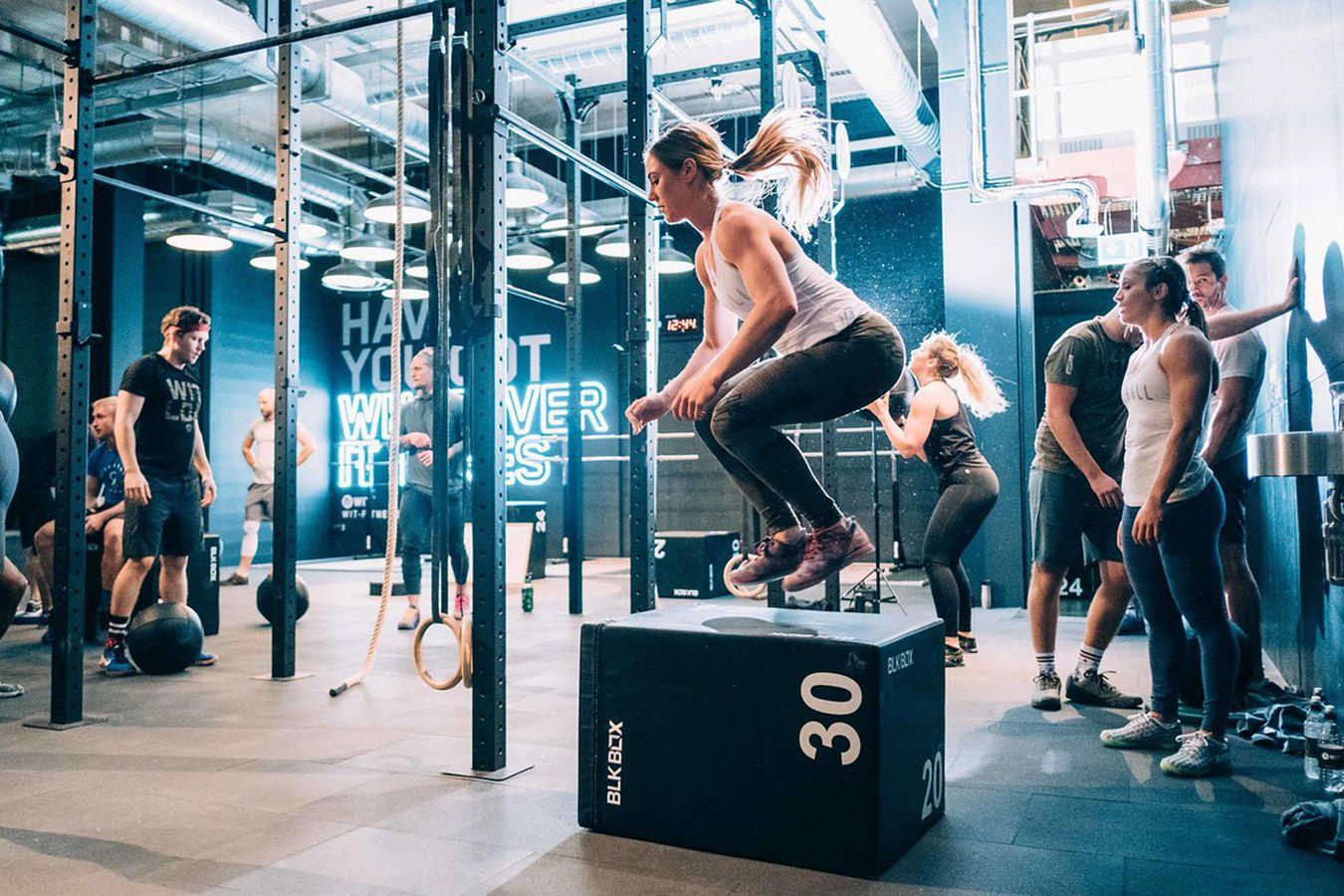
In a world where fitness fads come and go with the seasons, the enduring concept of functional fitness stands out as a beacon of transformative potential. More than just a trend, functional fitness is a holistic approach that weds the complexity of human movement with everyday functionality, empowering individuals to unlock their body’s full capabilities. Imagine engaging in exercises that not only challenge your muscles but also prepare you for the rigors of daily life—lifting groceries, climbing stairs, or playing with your children. This article delves into the profound impact of functional fitness, exploring how it serves as a catalyst for personal transformation, enhancing strength, mobility, and resilience. Join us as we uncover the principles and practices that make functional fitness a powerful tool for those seeking meaningful change in their bodies and lives.
Table of Contents
- Transforming Mind and Body: The Holistic Benefits of Functional Fitness
- Building Strength for Everyday Life: Practical Exercises and Techniques
- From Routine to Results: Establishing a Sustainable Functional Fitness Journey
- Empowering Community: The Role of Support and Accountability in Fitness Transformation
- Future Outlook
Transforming Mind and Body: The Holistic Benefits of Functional Fitness
Functional fitness transcends the traditional parameters of exercising by integrating movements that mimic everyday activities. This approach not only improves strength and flexibility but also promotes coordination and balance. Participants often experience increased stamina and a greater ability to move through their daily routines with ease. The physical benefits extend beyond the gym, influencing aspects of life such as improved posture, reduced risk of injury, and enhanced athletic performance. By engaging in workouts that are tailored to individual needs and goals, practitioners can transform their physical capabilities effectively.
Furthermore, the holistic benefits of functional fitness can significantly enhance mental well-being. Regular participation fosters a sense of community and support among participants, creating a constructive social environment. Additionally, the emphasis on movement patterns that relate directly to real-life applications encourages mindfulness, helping individuals remain present in their bodies. Studies suggest that integrative workouts can lead to reductions in stress and anxiety levels, ultimately promoting healthier lifestyles. Here are some key mental benefits:
- Enhanced Focus: Engaging in varied movements sharpens mental acuity.
- Boosted Confidence: Achievements in functional fitness translate to a greater self-esteem.
- Mind-Body Connection: Increased awareness of physical capabilities leads to deeper self-understanding.
Building Strength for Everyday Life: Practical Exercises and Techniques
Achieving strength in everyday life is not just about lifting heavy weights; it’s about enhancing your body’s functionality in daily movements. To boost your physical prowess, consider incorporating varied exercises that challenge multiple muscle groups and improve coordination. Here are some effective exercises you can easily integrate into your routine:
- Squats: Strengthen your legs and enhance core stability.
- Push-ups: Develop upper body strength while engaging your core.
- Deadlifts: Build back and leg strength for lifting activities.
- Lunges: Improve balance and coordination while working on your lower body.
- Planks: A solid core enhances overall strength for daily tasks.
Dynamic movements are also essential in developing a practical strength foundation. Incorporate techniques that mimic real-life activities to foster functional fitness. Use the table below to identify key activities and their associated exercises:
| Everyday Activity | Recommended Exercise |
|---|---|
| Carrying groceries | Farmer’s Walk |
| Picking up kids | Squat to Lift |
| Gardening | Deadlifts |
| Climbing stairs | Step-Ups |
| Playing sports | Agility Drills |
From Routine to Results: Establishing a Sustainable Functional Fitness Journey
Transforming your fitness routine into a sustainable functional fitness journey requires a strategic approach. Start by setting realistic goals that align with your lifestyle and current fitness level. Focus on incorporating movements that mimic daily activities, fostering strength and endurance that matters off the gym floor. For instance:
- Bodyweight exercises: Push-ups, squats, and lunges build foundational strength.
- Cardio training: Activities like running or cycling enhance heart health and stamina.
- Mobility drills: Stretching and yoga can improve flexibility and reduce injury risks.
Consistency is key. Establish a weekly schedule that breaks down your workouts into manageable sessions. Consider using the table below to track your progress and adapt your routines over time:
| Day | Activity | Duration |
|---|---|---|
| Monday | Strength Training | 30 minutes |
| Wednesday | Cardio Session | 45 minutes |
| Friday | Mobility and Flexibility | 30 minutes |
By following a structured plan and checking off completed sessions, you will not only build a sense of accomplishment but also establish habits that lead to long-term success in your functional fitness journey. Make it enjoyable and adaptable, and you’ll be more likely to stick with it.
Empowering Community: The Role of Support and Accountability in Fitness Transformation
In the journey of fitness transformation, having a strong support network is invaluable. This community can take many forms, from workout partners and online groups to local gym classes. Engaging with others allows individuals to share their successes and challenges, fostering a spirit of camaraderie. Moreover, accountability is a crucial element that keeps individuals on track, encouraging them to show up even on days when motivation wanes. The shared commitment creates a sense of belonging, which can be a powerful motivator, propelling individuals toward their goals.
Joining a community centered around functional fitness not only provides physical benefits but also nurtures mental resilience. Support systems might include:
- Regular check-ins to share progress
- Group challenges to foster friendly competition
- Workshops to learn new techniques or nutritional strategies
By participating in these activities, individuals cultivate a supportive environment where they feel safe to express vulnerabilities and celebrate triumphs. Additionally, the collective energy of a community often translates into improved workouts, as members inspire each other to push beyond their limits. This synergy fosters a culture of growth, driving everyone towards sustainable fitness transformations that extend well beyond physical appearance.
Future Outlook
As we conclude our exploration of functional fitness and its transformative potential, it’s clear that this approach transcends traditional workout regimens. By emphasizing movements that mirror real-life activities, functional fitness not only enhances our physical capabilities but also empowers us to navigate the challenges of daily life with newfound strength and agility.
Unlocking change is not merely about building muscle or shedding pounds; it’s about cultivating resilience, confidence, and a deeper connection to our bodies. Whether you’re a seasoned athlete or just starting your journey, the principles of functional fitness invite everyone to engage in a transformative experience that fosters well-being from the inside out.
So, as you step off the mat or finish your last set, remember that every movement you make—no matter how small—is a step toward becoming the best version of yourself. Embrace the journey, unlock your potential, and let the power of functional fitness guide you toward lasting change. Your transformation starts now.