


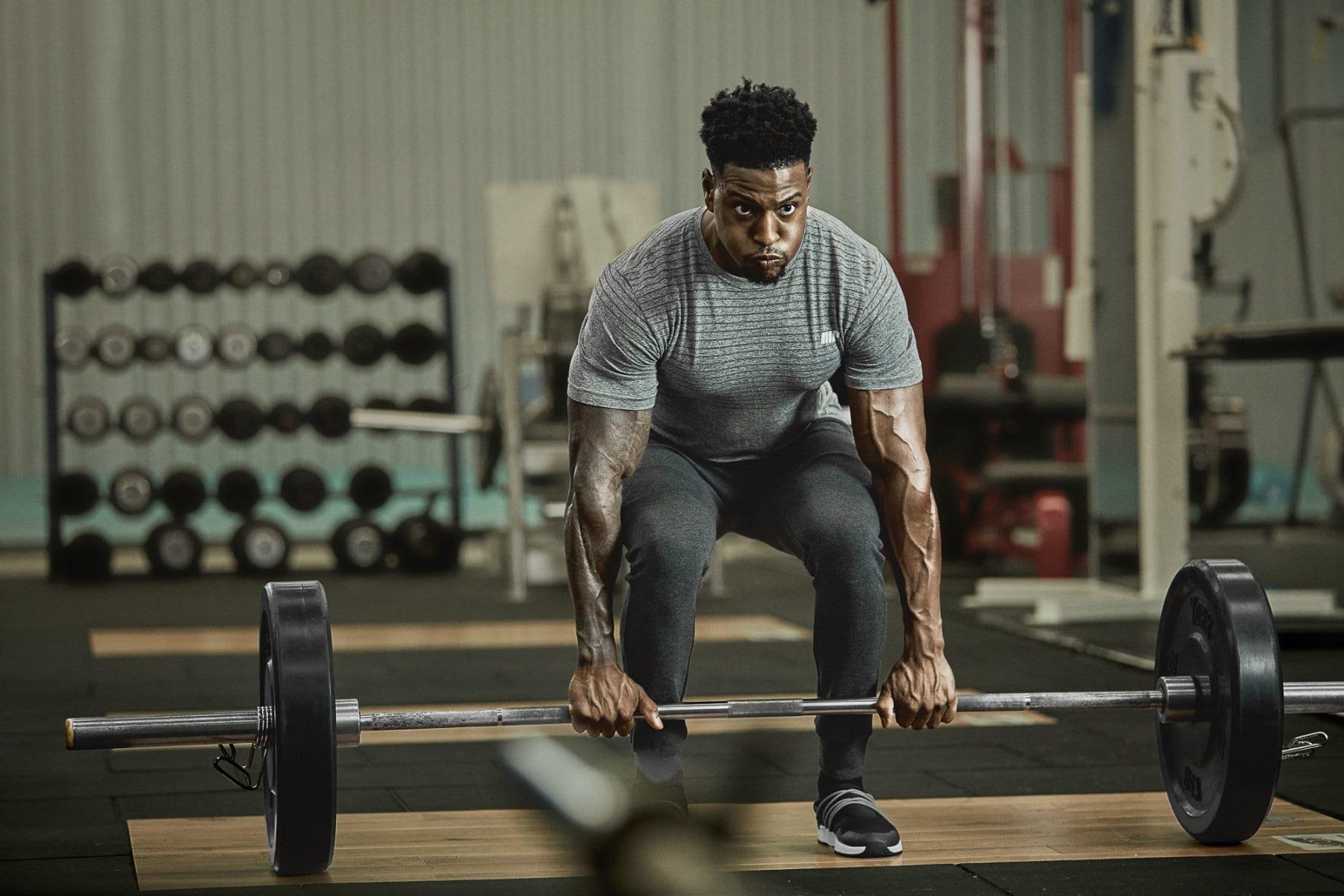
In a world where strength is often measured in muscles and might, the art and science of weightlifting reveal a deeper narrative, one that intertwines physical prowess with mental resilience. “Unveiling Strength” invites readers to explore the intricate tapestry of this discipline, where the clang of iron and the rhythm of breath create a symphony of effort and determination. From the raw power demonstrated on the lifting platform to the meticulous science behind technique and nutrition, weightlifting transcends mere sport—it becomes a journey of self-discovery and growth. As we delve into the nuances of this practice, we’ll uncover not only the benefits it bestows on the body but also the profound impact it has on the mind, offering a comprehensive look at a world that celebrates the strength found both within and outside ourselves. Join us as we lift the curtain on weightlifting—a celebration of human potential and the transformative power of discipline and dedication.
Table of Contents
- Understanding the Fundamentals of Weightlifting Technique
- Building a Personalized Strength Training Program
- The Role of Nutrition in Maximizing Lifting Performance
- Injury Prevention Strategies for Lifters of All Levels
- In Summary
Understanding the Fundamentals of Weightlifting Technique
Embarking on the journey of weightlifting requires more than just brute strength; it demands a meticulous approach to technique that can significantly enhance performance and minimize the risk of injury. Proper alignment is crucial: maintaining a neutral spine and engaging the core are foundational elements that establish stability. Each lift should initiate from the ground up, engaging the lower body first before transferring energy to the upper body. Key components include:
- Grip: The width of your grip can alter the mechanics of the lift.
- Foot placement: Proper width and angle can optimize balance.
- Breathing: Inhaling before the lift and exhaling at the exertion point increases intra-abdominal pressure.
Understanding how to adapt your technique to the specific lift you are performing is imperative. Different lifts require distinct body positions and movements. For instance, in the deadlift, the focus is on pushing through the heels while keeping the bar close to your body. Alternatively, while executing a bench press, the shoulder blades should be retracted to provide a solid base and maintain tension throughout the lift. Below is a comparison of two fundamental lifts, highlighting their core differences:
| Lift | Primary Muscles Engaged | Key Technique Points |
|---|---|---|
| Deadlift | Hamstrings, Glutes, Lower Back | Keep bar close, engage core, push through heels |
| Bench Press | Pectorals, Triceps, Shoulders | Retract shoulder blades, grip width matters, feet planted |
By mastering these fundamentals, lifters can build a solid foundation not only for strength development but also for safe and effective training practices. Recognizing the subtle intricacies of each lift will pave the way for progressive enhancements in your weightlifting journey.
Building a Personalized Strength Training Program
To craft a strength training program that resonates with your personal goals, it is essential to consider several key elements. Start by identifying your fitness objectives: Are you aiming to build muscle mass, improve endurance, or enhance overall athletic performance? These goals will dictate the structure of your training. Incorporate a balanced mix of exercises to target major muscle groups effectively. Your program could include:
- Compound Movements: such as squats and deadlifts for muscle building.
- Isolation Exercises: like bicep curls to focus on specific muscles.
- Functional Training: kettlebell swings or bodyweight exercises to boost overall functional strength.
Progress tracking plays a pivotal role in the success of your training. Establish a system for monitoring your lifts—keep a log of weights, repetitions, and sets. Regularly reassess your performance to ensure you’re making progress and to adjust your weights as necessary. Consider utilizing the following framework for setting your training schedule:
| Day | Focus | Example Exercises |
|---|---|---|
| Monday | Upper Body | Bench Press, Pull-Ups |
| Wednesday | Lower Body | Squats, Lunges |
| Friday | Full Body | Deadlifts, Overhead Press |
The Role of Nutrition in Maximizing Lifting Performance
Nutrition serves as the cornerstone of lifting performance, providing the fuel and building blocks necessary for strength gains and recovery. To optimize your workouts and sustain intense training, it’s essential to consume a balanced diet rich in macronutrients such as proteins, carbohydrates, and fats. Each of these macronutrients plays a critical role: proteins support muscle repair and growth, carbohydrates ensure energy levels are sustained throughout rigorous sessions, and healthy fats contribute to overall hormone regulation. For best results, lifters should prioritize nutrient-dense foods, embracing options such as lean meats, whole grains, fruits, vegetables, and healthy oils.
Moreover, timing your nutrition is equally important in maximizing lifting output. Consuming a well-rounded meal about 2-3 hours before training can greatly enhance performance, while a post-workout meal rich in protein and carbs aids in muscle recovery. Below is a simple comparison of pre- and post-workout nutrition options:
| Meal Type | Food Options |
|---|---|
| Pre-Workout |
|
| Post-Workout |
|
Injury Prevention Strategies for Lifters of All Levels
In the pursuit of lifting gains, prioritizing safety is paramount, especially for those navigating the many phases of strength training. A balanced workout regimen should include dynamic warm-ups and cool-down stretches to prepare your muscles and facilitate recovery. Strengthening surrounding muscle groups can enhance stability and reduce the risk of injuries. Integrating these components into your routine might look like the following:
- Dynamic Warm-Ups: Include exercises such as leg swings, arm circles, and high knees.
- Strengthening Stabilizers: Focus on auxiliary muscles with movements like planks and lateral raises.
- Cool-Down Stretches: Incorporate static stretches like hamstring and quad stretches post-workout.
Additionally, it’s crucial to acknowledge the role of progressive overload and proper form in injury prevention. Gradually increasing weights and reps allows your muscles to adapt rather than risk strain. Implementing regular assessments of your lifting technique through videos or coach feedback can pinpoint form lapses that work against your goals. A simple table can illustrate effective strategies for varying experience levels in lifting:
| Experience Level | Injury Prevention Strategy |
|---|---|
| Beginner | Focus on mastering form with lighter weights. |
| Intermediate | Incorporate accessory exercises targeting weak points. |
| Advanced | Employ specific recovery protocols alongside heavy loads. |
In Summary
As we conclude our exploration of “,” it becomes clear that this discipline transcends mere physicality. Weightlifting is a harmonious blend of artistry and physics, where passion meets precision and mental fortitude dances with muscle power. Each lift tells a story of perseverance, discipline, and the unwavering pursuit of excellence.
Whether you see weightlifting as a competitive sport, a form of personal expression, or a pathway to improved health, the underlying principles remain the same: commitment, technique, and an understanding of one’s own body. As you embark on or continue your own lifting journey, remember that it is not just about the weights you lift but also the insights you gain along the way.
In the grand tapestry of strength training, every repetition adds to the narrative of your body’s potential. Embrace the journey, celebrate your progress, and may you always lift not just with your muscles but with your mind and spirit. The iron awaits—your strength story is just beginning.