


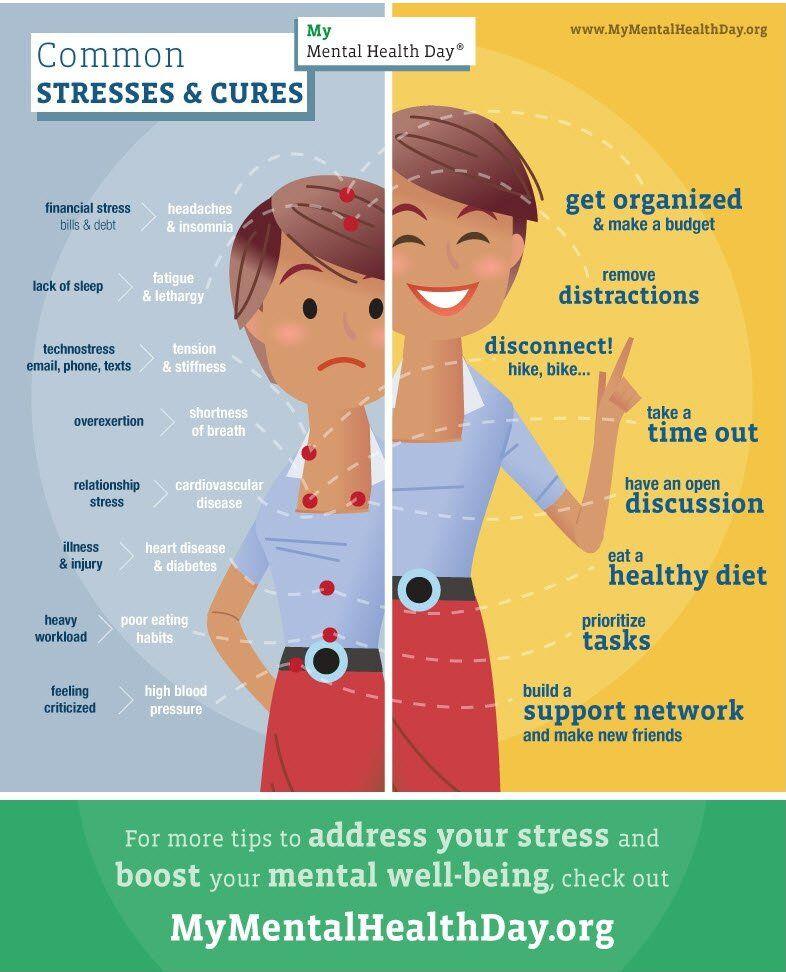
In the intricate tapestry of human experience, few threads are as intertwined as stress and weight. While we often associate stress with weight gain, the reality is far more complex. As the modern world hurtles forward at an unprecedented pace, stress has become a constant companion for many, influencing our lives in ways that are both subtle and profound. Can anxiety drive us to shed pounds, or does it lead to the kind of compulsive behaviors that cause our scales to tip in the opposite direction? Join us on a journey through the physiological and psychological landscapes of stress, where we will explore how our minds and bodies interact to shape our weight and well-being. By unraveling this weighty connection, we aim to provide clarity and insight into a phenomenon that affects countless individuals embarking on their own personal journeys toward health and balance.
Table of Contents
- Understanding the Biological Impact of Stress on Metabolism
- The Psychological Toll: How Stress Alters Eating Habits
- Strategies to Manage Stress for Healthier Weight Management
- The Role of Mindfulness in Enhancing Weight Loss Efforts
- In Conclusion
Understanding the Biological Impact of Stress on Metabolism
Stress acts as a biological catalyst that can disrupt normal metabolic functions, often causing the body to react in unexpected ways. When faced with stressors, the body activates the hypothalamic-pituitary-adrenal (HPA) axis, which results in the release of hormones such as cortisol and adrenaline. These hormones can lead to various metabolic changes, including the following:
- Increased Fat Storage: Chronic stress can boost cortisol levels, promoting the accumulation of visceral fat.
- Altered Glucose Metabolism: Elevated cortisol can impair insulin function, leading to elevated blood sugar levels.
- Appetite Changes: Stress can either suppress appetite or trigger cravings for high-calorie foods, affecting energy balance.
The interplay between stress and metabolism is multifaceted, influencing nutrient utilization and energy expenditure. For instance, acute stress may temporarily enhance metabolic rate due to increased adrenaline, whereas prolonged stress could lead to metabolic dysregulation and weight loss. Below is a summary of how these processes can unfold:
| Type of Stress | Effect on Metabolism | Possible Outcomes |
|---|---|---|
| Acute Stress | Increased metabolic rate | Short-term energy use, potential weight loss |
| Chronic Stress | Impaired insulin function and increased fat storage | Long-term weight gain or metabolic syndrome |
The Psychological Toll: How Stress Alters Eating Habits
The intricate relationship between stress and eating habits reveals how emotional distress can significantly influence our choices at mealtimes. Under pressure, the body often responds in unpredictable ways, prompting individuals to seek comfort in food or, conversely, lose their appetite altogether. This phenomenon can manifest in various ways:
- Emotional Eating: Some individuals find solace in calorie-rich foods, seeking out high-sugar and high-fat treats that temporarily alleviate their stress.
- Apathy Towards Food: Others, when overwhelmed, may experience a loss of interest in meals, leading to skipped meals and unintentional weight loss.
- Cravings for Specific Nutrients: Stress can alter nutritional cravings, with many turning to carbohydrates for a quick energy boost or comfort.
To better understand this complex interplay, consider the table below that outlines typical responses to stress-related eating triggers:
| Stress Type | Description | Common Eating Response |
|---|---|---|
| Cognitive Stress | Often linked to work or mental overload. | Increased snacking, especially on junk food. |
| Emotional Stress | Triggered by personal relationships or emotional turmoil. | Overeating as a coping mechanism. |
| Chronic Stress | Long-term, ongoing stress that wears down resilience. | Fluctuations in appetite, leading to unintended weight loss. |
Strategies to Manage Stress for Healthier Weight Management
To reclaim control over both stress and weight, consider incorporating mindfulness practices into your daily routine. Mindfulness meditation allows you to anchor your thoughts, redirecting focus from anxious rumination to the present moment. This shift not only fosters emotional resilience but also curtails stress-related cravings for unhealthy foods. Other techniques such as deep breathing exercises and progressive muscle relaxation can also help in reducing immediate stress responses, promoting a more stable emotional state. Establishing a consistent practice can serve as a powerful tool in mitigating the adverse effects of stress on eating behaviors.
Regular physical activity is another vital strategy to combat stress, as it releases endorphins that naturally elevate mood. Aiming for activities that you enjoy can make a significant difference, whether it’s walking, dancing, or yoga. Consider engaging in group fitness classes or outdoor activities that promote social connection, as having a support network can be especially beneficial. Committing to a balanced diet rich in whole foods while reducing caffeine and sugar can further support this effort. Below is a simple comparison of effective strategies:
| Strategy | Benefits |
|---|---|
| Mindfulness Meditation | Enhances focus, reduces anxiety. |
| Physical Activity | Boosts mood, promotes weight loss. |
| Balanced Diet | Supports overall health, reduces cravings. |
| Social Connections | Provides emotional support, reduces stress. |
The Role of Mindfulness in Enhancing Weight Loss Efforts
Incorporating mindfulness into weight loss strategies not only elevates emotional awareness but also cultivates a supportive environment for sustainable habits. By being present in the moment, individuals can recognize hunger cues more accurately, understand cravings, and differentiate between emotional eating and physical hunger. This practice leads to more thoughtful choices, such as appreciating the flavors and textures of food, which can foster a deeper connection to one’s dietary decisions. Some key benefits of mindfulness include:
- Improved Eating Habits: Encourages balanced food choices by promoting awareness of what and when you eat.
- Enhanced Self-Control: Empowers individuals to resist impulsive eating triggered by stress or boredom.
- Reduced Stress Levels: Helps manage anxiety and stress, which are often linked to overeating.
Mindfulness also plays a pivotal role in creating a more positive body image and self-acceptance. When individuals engage in mindfulness practices such as meditation or yoga, they cultivate an inner calm that can lead to healthier lifestyles. This holistic approach fosters not just weight loss, but overall well-being. Consider the following aspects that mindfulness can nurture:
| Aspect | Mindfulness Effect |
|---|---|
| Stress Reduction | Lowers cortisol levels, aiding in weight management. |
| Emotional Regulation | Promotes understanding of emotions, reducing stress-induced eating. |
| Increased Motivation | Encourages commitment to health goals without self-judgment. |
In Conclusion
the intricate relationship between stress and weight loss is a captivating tapestry woven from biological, psychological, and social threads. Understanding this connection not only sheds light on the complexities of our bodies but also emphasizes the importance of holistic well-being. As we navigate the pressures of modern life, acknowledging how stress can influence our weight—and our overall health—empowers us to seek balance. By fostering resilience through mindful practices, nurturing our mental health, and cultivating supportive environments, we can unravel the weighty impacts of stress. Ultimately, embracing this journey may lead us to not only understand ourselves better but also to foster a healthier relationship with our bodies. In this way, the path to wellness becomes not just about losing weight but gaining insight, strength, and serenity in an often chaotic world.