


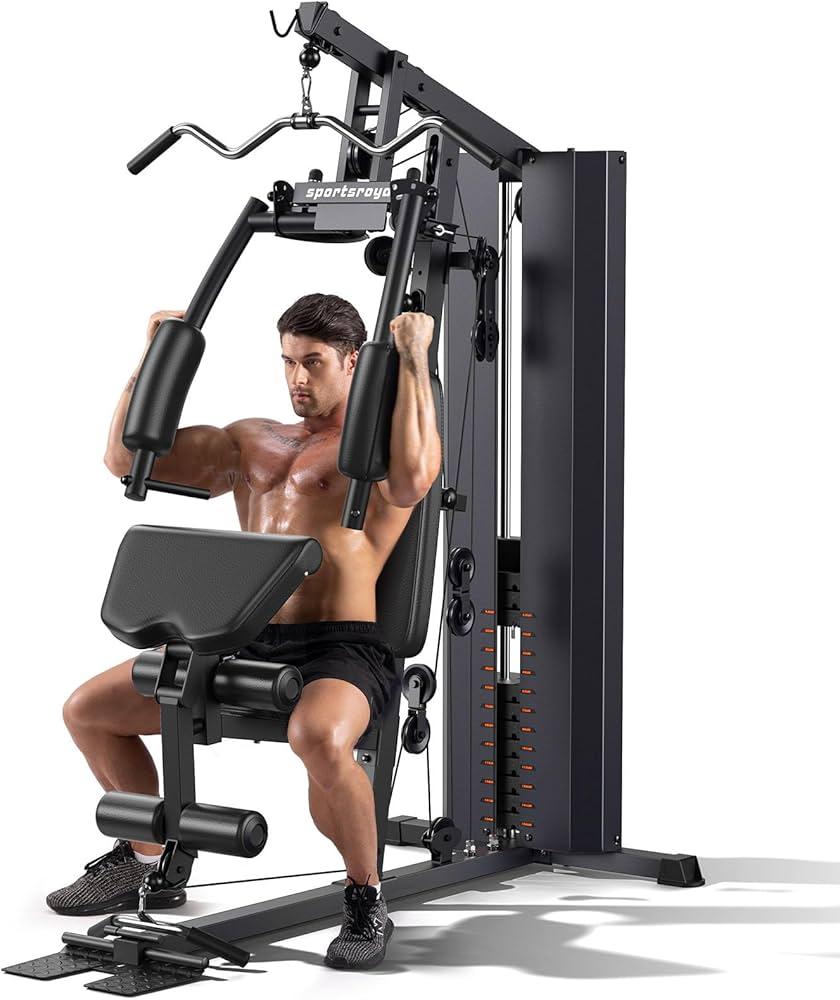
In today’s health-conscious society, the market is flooded with a myriad of workout equipment options, making the process of selecting the right tools for fitness both overwhelming and critical. Whether you are a seasoned athlete or a beginner embarking on a fitness journey, understanding the nuances of workout equipment is essential for maximizing performance and achieving personal goals. This article serves as a comprehensive guide to navigating the various types of workout equipment available, outlining key factors to consider, such as fitness objectives, space constraints, budget, and equipment versatility. By the end of this guide, readers will be equipped with the knowledge needed to make informed decisions that align with their individual fitness needs and preferences.
Table of Contents
- Understanding Your Fitness Goals and Needs
- Evaluating Different Types of Workout Equipment
- Key Features to Consider When Selecting Equipment
- Budgeting for Your Home Gym Setup
- To Conclude
Understanding Your Fitness Goals and Needs
When embarking on a fitness journey, it’s crucial to first identify your goals and individual needs. This may include an array of objectives, such as weight loss, muscle gain, or simply maintaining a healthy lifestyle. Understanding what you want to achieve will not only guide your choice of workout equipment but also influence the type of exercises you will engage in. For instance, someone aiming to increase endurance might focus on cardio machines, whereas a person looking to build strength might prioritize weights or resistance tools. Clearly defining your goals will streamline the process of selecting the right tools for your workouts.
Additionally, personal factors come into play when determining suitable workout equipment. Considerations such as available space, budget, and fitness level are all significant. For those with limited space, compact or multi-use equipment can be ideal, while a more expansive home gym may justify investing in specialized machines. Knowing your fitness level helps ensure safety and effectiveness; beginners might choose lighter weights or simpler machines, while advanced users may require more challenging options. Regularly reassess your fitness goals and equipment needs as you progress to stay aligned with your evolving aspirations.
Evaluating Different Types of Workout Equipment
Choosing the right workout equipment requires an understanding of various types available and their unique benefits. Cardiovascular machines, like treadmills and stationary bikes, are essential for improving heart health and boosting endurance. Meanwhile, strength training tools, such as dumbbells and resistance bands, facilitate muscle growth and enhance overall strength. Consider the following factors when evaluating equipment:
- Space Availability: Aim for equipment that fits comfortably in your workout area.
- Functionality: Evaluate whether a piece of equipment serves multiple purposes to maximize utility.
- Durability: Invest in high-quality materials for long-lasting use.
Another crucial aspect is the ease of use. Regulated machines provide guided motion, making them suitable for beginners, while free weights allow for greater versatility and complex movements. When assessing your potential purchases, keep in mind your fitness goals and personal preferences. The table below outlines popular equipment types and their ideal uses:
| Equipment Type | Best For | Key Features |
|---|---|---|
| Treadmill | Endurance Training | Adjustable speeds, incline settings |
| Dumbbells | Strength Training | Versatile weight selections, space-efficient |
| Resistance Bands | Flexibility and Strength | Portable, adjustable resistance levels |
| Stationary Bike | Cardio Fitness | Low-impact, customizable workouts |
Key Features to Consider When Selecting Equipment
When selecting workout equipment, one should consider several key features to ensure the best fit for personal needs and workout goals. First, assess the durability and material construction of the equipment. High-quality materials typically offer better longevity and performance. Additionally, examine the ergonomics; equipment should be comfortable to use with adjustable settings to accommodate different body types. Don’t forget to evaluate portability and storage space, especially if your workout space is limited.
Another crucial aspect is the versatility of the equipment—can it serve multiple purposes? This can be particularly beneficial for those who prefer a diverse workout regimen. Moreover, consider the technology integration; modern equipment often comes with built-in tracking systems that can help monitor your progress effectively. Lastly, take into account the price-to-value ratio—ensuring that the features offered align with the cost will help make an informed purchase. Below is a simple comparison of different equipment types:
| Equipment Type | Durability | Versatility | Price Range |
|---|---|---|---|
| Resistance Bands | High | Medium | $10 – $30 |
| Dumbbells | Medium | High | $20 – $200 |
| Kettlebells | Medium | High | $30 – $150 |
| Treadmill | High | Low | $300 – $3000 |
Budgeting for Your Home Gym Setup
Creating a budget for your home gym setup is essential to ensure you invest wisely in the right equipment while avoiding unnecessary expenses. Start by assessing your fitness goals and the type of workouts you plan to perform. This will help you identify which equipment is crucial and which items might be considered luxuries. Consider the following factors when outlining your budget:
- Prioritize Essential Equipment: Focus on versatile items such as dumbbells, resistance bands, or a quality yoga mat.
- Determine Space Requirements: Evaluate how much room you have and what equipment fits comfortably.
- Plan for Future Additions: Leave some budget flexibility for potential upgrades or additional equipment later on.
Once you have a clear idea of what equipment you need, it’s time to allocate your budget effectively. You may also want to research alternatives, such as purchasing used equipment or exploring financing options. Creating a table of your potential purchases can help keep you organized:
| Item | Estimated Cost | Priority Level |
|---|---|---|
| Dumbbells | $50 | High |
| Resistance Bands | $20 | Medium |
| Yoga Mat | $30 | High |
| Exercise Ball | $25 | Low |
To Conclude
selecting the right workout equipment is a critical step toward achieving your fitness goals. By assessing your personal needs, understanding the space available for your workout, and considering your budget, you can make informed decisions that will enhance your exercise experience. Remember to prioritize quality, functionality, and versatility in your choices. With the right tools at your disposal, you are better positioned to maintain a consistent and effective fitness routine. As you embark on your journey, keep these guidelines in mind to ensure that your investment in workout equipment serves you well for years to come.