


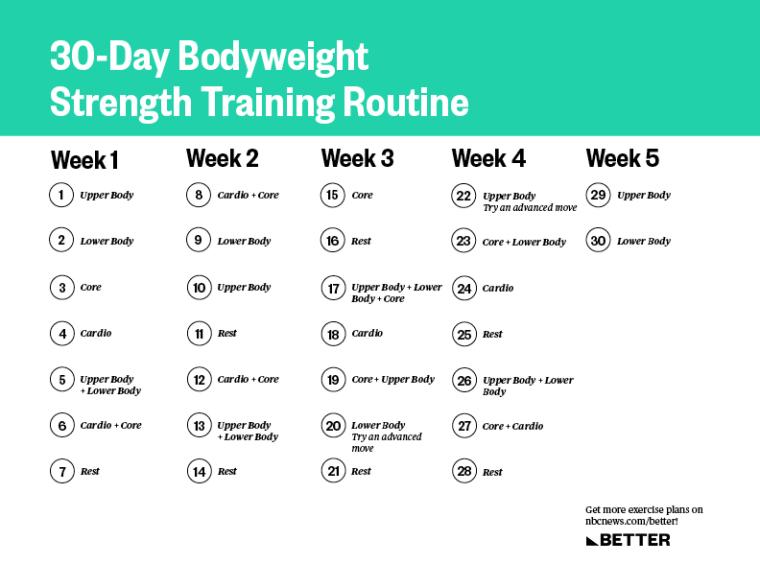
In the pursuit of fitness and overall well-being, the importance of a well-structured workout plan cannot be overstated. Whether a beginner embarking on their fitness journey or a seasoned athlete looking to enhance their regimen, having a comprehensive guide to effective workout plans is essential for achieving specific goals and maximizing results. This article aims to provide a detailed overview of workout strategies that cater to various fitness levels, addressing fundamental principles, exercise types, and tailored approaches that can help individuals stay motivated and engaged. By understanding the key components of successful workout plans, readers will be better equipped to design a program that aligns with their personal needs, preferences, and aspirations, ultimately leading to a healthier and more active lifestyle.
Table of Contents
- Understanding Different Workout Levels and Goals
- Key Components of an Effective Workout Plan
- Incorporating Variety and Progression in Training
- Essential Tips for Maintaining Motivation and Consistency
- Closing Remarks
Understanding Different Workout Levels and Goals
When embarking on a fitness journey, it’s essential to recognize that not everyone starts from the same point or has identical aspirations. Understanding the different workout levels—beginner, intermediate, and advanced—can help tailor a workout plan that aligns with individual needs. Beginners may focus on establishing a routine, mastering fundamental movements, and building endurance. Intermediate exercisers are typically aiming to enhance their strength and incorporate more varied workouts, while advanced individuals often pursue peak performance, specializing in specific training regimens or targeted muscle groups.
Moreover, aligning your workout with specific goals will further define the path of your fitness journey. Common goals include weight loss, muscle gain, improved endurance, and overall health. Each goal requires a different approach, influencing aspects such as workout frequency, intensity, and types of exercises incorporated. The following table illustrates how different goals correlate with workout strategies:
| Fitness Goal | Focus Area | Recommended Workouts |
|---|---|---|
| Weight Loss | Caloric Deficit | HIIT, Cardio, Strength Training |
| Muscle Gain | Hypertrophy | Resistance Training, Compound Lifts |
| Improved Endurance | Stamina Building | Long-Distance Cardio, Circuit Training |
| Overall Health | Balance of Fitness | Variety of Workouts, Yoga, Pilates |
Key Components of an Effective Workout Plan
Creating an effective workout plan hinges on several essential components that cater to individual needs and fitness goals. Firstly, it is crucial to establish a clear objective; whether the aim is to lose weight, build muscle, or improve endurance, having a defined target helps in structuring the overall approach. Additionally, incorporating variety in exercise types—including strength training, cardiovascular workouts, and flexibility routines—can prevent boredom and promote comprehensive fitness. Another key element is progress tracking, which allows for adjustments based on performance, ensuring continuous improvement and motivation.
Furthermore, the schedule of workouts should be planned meticulously, balancing frequency and recovery time to avoid burnout and injuries. Ideally, a well-rounded plan includes a blend of short and long sessions, allowing for both intensity and endurance training. To support these activities, integrating a focus on nutrition is vital; proper fueling and hydration can significantly enhance performance outcomes. Utilize the following table to outline a sample weekly workout balance:
| Day | Workout Type | Duration |
|---|---|---|
| Monday | Strength Training | 45 min |
| Tuesday | Cardio (Running) | 30 min |
| Wednesday | Rest / Active Recovery | N/A |
| Thursday | Strength Training | 45 min |
| Friday | Flexibility (Yoga) | 30 min |
| Saturday | High-Intensity Interval Training | 30 min |
| Sunday | Rest | N/A |
Incorporating Variety and Progression in Training
To achieve optimal results from your training regimen, it’s essential to introduce variety and facilitate progression in your workouts. Incorporating different types of exercises not only keeps your routine fresh and engaging but also challenges your body in new ways. Here are some effective methods to introduce variety:
- Change exercise modalities: Switch between strength training, cardiovascular workouts, and flexibility exercises.
- Vary the intensity: Incorporate high-intensity interval training (HIIT) alongside moderate-intensity steady-state cardio.
- Include different equipment: Utilize free weights, resistance bands, kettlebells, or bodyweight movements to diversify your workouts.
Progression is equally important, as it ensures continuous improvement and avoids plateaus. This can be achieved through various strategies, such as:
- Increasing weights: Gradually add more weight to your exercises as your strength improves.
- Modifying repetitions or sets: Adjust the number of reps and sets based on your fitness goals, whether they be strength, endurance, or hypertrophy.
- Shortening rest intervals: Decrease the time you rest between sets to elevate the intensity of your workouts.
| Variety Methods | Progression Techniques |
|---|---|
| Change exercise modalities | Increase weights |
| Vary the intensity | Modify reps or sets |
| Include different equipment | Shorten rest intervals |
Essential Tips for Maintaining Motivation and Consistency
Staying motivated and consistent in your workout regimen can sometimes feel like a daunting task. However, implementing a few strategies can significantly enhance your commitment to your fitness goals. To start, it’s essential to set realistic and achievable goals. Rather than aiming for drastic changes, focus on incremental improvements that align with your abilities and lifestyle. Additionally, consider tracking your progress regularly, as this can provide a visual representation of your efforts and keep you inspired. Utilize tools such as fitness apps or journals to note your achievements, however small they may seem.
Another effective way to maintain momentum is to establish a routine that fits your personal schedule. Create specific workout times in your calendar and treat them as unmissable appointments. This helps to develop a habit, making exercise a natural part of your day. Surrounding yourself with a support system, whether it be workout partners or online communities, can also bolster motivation. Engaging with others can lead to shared experiences and encouragement, making the journey more enjoyable. Consider incorporating the following elements into your daily life:
- Daily reminders: Use alarm notifications to prompt you for workout sessions.
- Variety: Mix different workout types to prevent boredom.
- Reward system: Give yourself small rewards for achieving goals.
Closing Remarks
creating an effective workout plan requires careful consideration of individual fitness levels, goals, and preferences. By adhering to the principles outlined in this comprehensive guide, individuals can develop personalized workout routines that promote consistency and overall well-being. Whether you are a beginner, intermediate, or advanced fitness enthusiast, it is essential to remain adaptable and open to adjustments as you progress. Remember that successful workout plans not only focus on physical improvement but also emphasize the importance of mental resilience and recovery. By prioritizing a balanced approach to fitness, you can achieve sustainable results and foster a lifelong commitment to health. We encourage you to apply the strategies discussed and explore various workout options to discover what works best for you.