


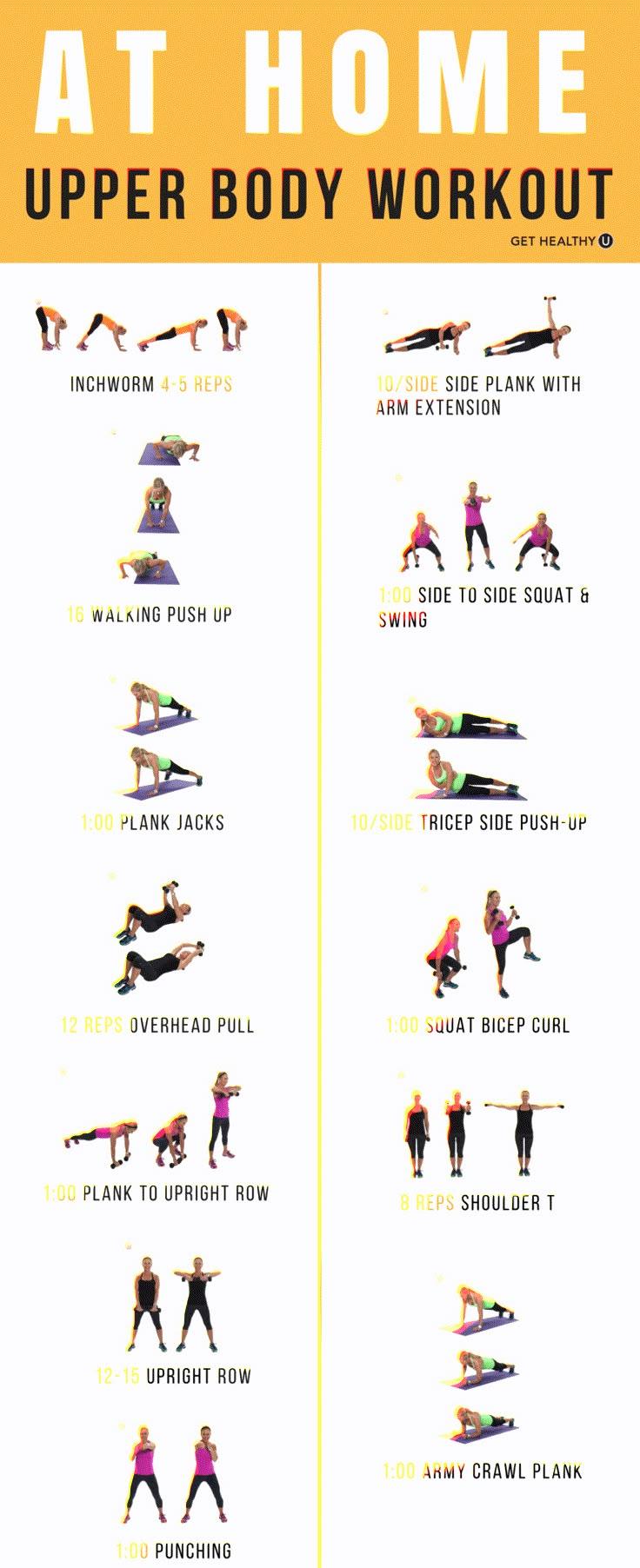
In today’s fitness landscape, upper body workouts have gained considerable attention for their role in building strength, enhancing athletic performance, and improving overall body aesthetics. Focusing on major muscle groups, including the arms, shoulders, chest, and back, effective upper body training can yield significant functional benefits, such as better posture, increased mobility, and enhanced daily performance. This article explores various techniques employed in upper body workouts, delving into the mechanics of each exercise while assessing their physiological impacts. By understanding the effectiveness of these methods, individuals can tailor their training regimens to achieve specific fitness goals, ultimately maximizing the benefits of their upper body conditioning.
Table of Contents
- Upper Body Workout Techniques for Optimal Strength Development
- Key Benefits of Targeted Upper Body Training
- Incorporating Resistance Training for Improved Upper Body Performance
- Safety and Recovery Tips for Upper Body Workouts
- To Conclude
Upper Body Workout Techniques for Optimal Strength Development
To achieve optimal strength development in the upper body, incorporating a variety of techniques is essential. Compound movements such as bench presses, pull-ups, and overhead presses engage multiple muscle groups simultaneously, promoting greater overall strength and muscle coordination. Additionally, incorporating isolation exercises like bicep curls and tricep extensions can help target specific muscles, allowing for balanced growth and development. Employing techniques such as progressive overload, where the weight or resistance is gradually increased, ensures continuous muscle adaptation and growth.
Another effective method for enhancing upper body strength is varying rep ranges and rest periods. For instance, targeting hypertrophy typically involves performing 8-12 reps with moderate weights, while strength gains can be maximized through 3-5 reps of heavier weights. Implementing supersets, where two exercises are performed back-to-back, can also optimize workout efficiency and intensity. Below is a simple guide to different training techniques that can complement your upper body workouts:
| Technique | Focus | Benefits |
|---|---|---|
| Compound Exercises | Multiple muscle groups | Strength and coordination |
| Isolation Exercises | Specific muscles | Targeted muscle growth |
| Progressive Overload | Weight increase | Continuous adaptation |
| Supersets | Two exercises | Efficiency and intensity |
Key Benefits of Targeted Upper Body Training
Targeted upper body training offers a myriad of advantages that extend beyond simply enhancing muscle tone. Engaging in focused workouts allows for improved functionality in daily activities, as it promotes strength and stability in crucial muscle groups such as the chest, back, shoulders, and arms. This enhances overall physical performance, making tasks like lifting, pushing, or reaching easier and more efficient. Additionally, such training boosts metabolic rate; the more muscle mass one has, the more calories are burned at rest, contributing to weight management and improved body composition.
Furthermore, targeted workouts can help in reducing the risk of injury by strengthening the muscles that support joints in the upper body, particularly the shoulders and elbows. A stronger upper body also aids in maintaining better posture, which can alleviate common complaints like back pain and muscle imbalances. Regularly incorporating upper body exercises can foster a sense of accomplishment and motivation, encouraging consistency in fitness routines, which is crucial for long-term health benefits. Here’s a quick overview of key advantages:
| Advantage | Description |
|---|---|
| Increased Strength | Enhances overall lifting ability and functional performance. |
| Improved Posture | Supports spine alignment and reduces back strain. |
| Injury Prevention | Strengthens muscles around joints to minimize risk. |
| Boosted Metabolism | Promotes higher calorie burn at rest. |
Incorporating Resistance Training for Improved Upper Body Performance
Incorporating resistance training into your routine can significantly enhance your upper body performance by targeting key muscle groups and improving overall strength. Engaging in exercises that emphasize muscle adaptation and growth will lead to better muscle control, coordination, and endurance. Key benefits include:
- Improved muscle strength, contributing to better performance in daily activities and sports.
- Enhanced muscle definition and aesthetic appearance, leading to increased confidence.
- Greater joint stability and injury prevention through strengthening surrounding muscles.
A well-structured resistance training program should focus on a variety of exercises that engage different muscle groups. Incorporating compound movements such as bench presses, dumbbell rows, and overhead presses not only maximizes efficiency but also stimulates multiple muscles at once. To illustrate the potential gains, consider the following comparison of different training approaches:
| Training Approach | Strength Gains | Muscle Size | Time Commitment |
|---|---|---|---|
| High-Volume Resistance Training | Significant | Moderate | 5-6 hours/week |
| Low-Volume Resistance Training | Moderate | High | 3-4 hours/week |
| Bodyweight Exercises | Minimal | Low | 1-2 hours/week |
Integrating resistance training into your upper body workout is not just about lifting weights; it’s about creating a balanced approach that considers functional movements and holistic muscle development. By tailoring your workouts to include a diverse array of resistance exercises, you can effectively boost your upper body performance while enjoying the myriad physical and psychological benefits they offer.
Safety and Recovery Tips for Upper Body Workouts
To ensure a safe upper body workout, it’s essential to heed several precautionary measures. Begin by performing a proper warm-up to increase blood circulation and flexibility in your muscles. Consider incorporating dynamic stretches such as arm circles, shoulder rolls, and torso twists. Additionally, maintaining correct form during exercises is crucial; improperly executed movements can lead to injuries. Here are some tips to remember:
- Focus on controlled movements rather than rushing through repetitions.
- Adjust weights to suit your level of strength.
- Use mirrors to monitor your form during workouts.
Recovery is just as important as the workout itself. Make sure to cool down following your session to help your muscles relax and prevent stiffness. This can include light stretching or yoga-based movements targeting the upper body. Consider the following recovery strategies:
| Recovery Methods | Description |
|---|---|
| Hydration | Drink plenty of water to support muscle recovery. |
| Nutrition | Consume protein-rich foods to aid muscle repair. |
| Rest | Allow at least 48 hours before working the same muscle group again. |
To Conclude
effective upper body workouts play a pivotal role in enhancing overall fitness, strength, and functional capacity. By employing a variety of techniques—such as resistance training, bodyweight exercises, and targeted movements—individuals can achieve significant improvements in muscle tone, endurance, and posture. Furthermore, the benefits extend beyond aesthetic goals, contributing to injury prevention and increased performance in daily activities and sports. As with any exercise regimen, it is important to tailor workouts to individual fitness levels and objectives, ensuring a balanced approach that promotes long-term sustainability. Incorporating effective upper body workouts into a regular fitness routine can ultimately lead to a healthier, more active lifestyle.