


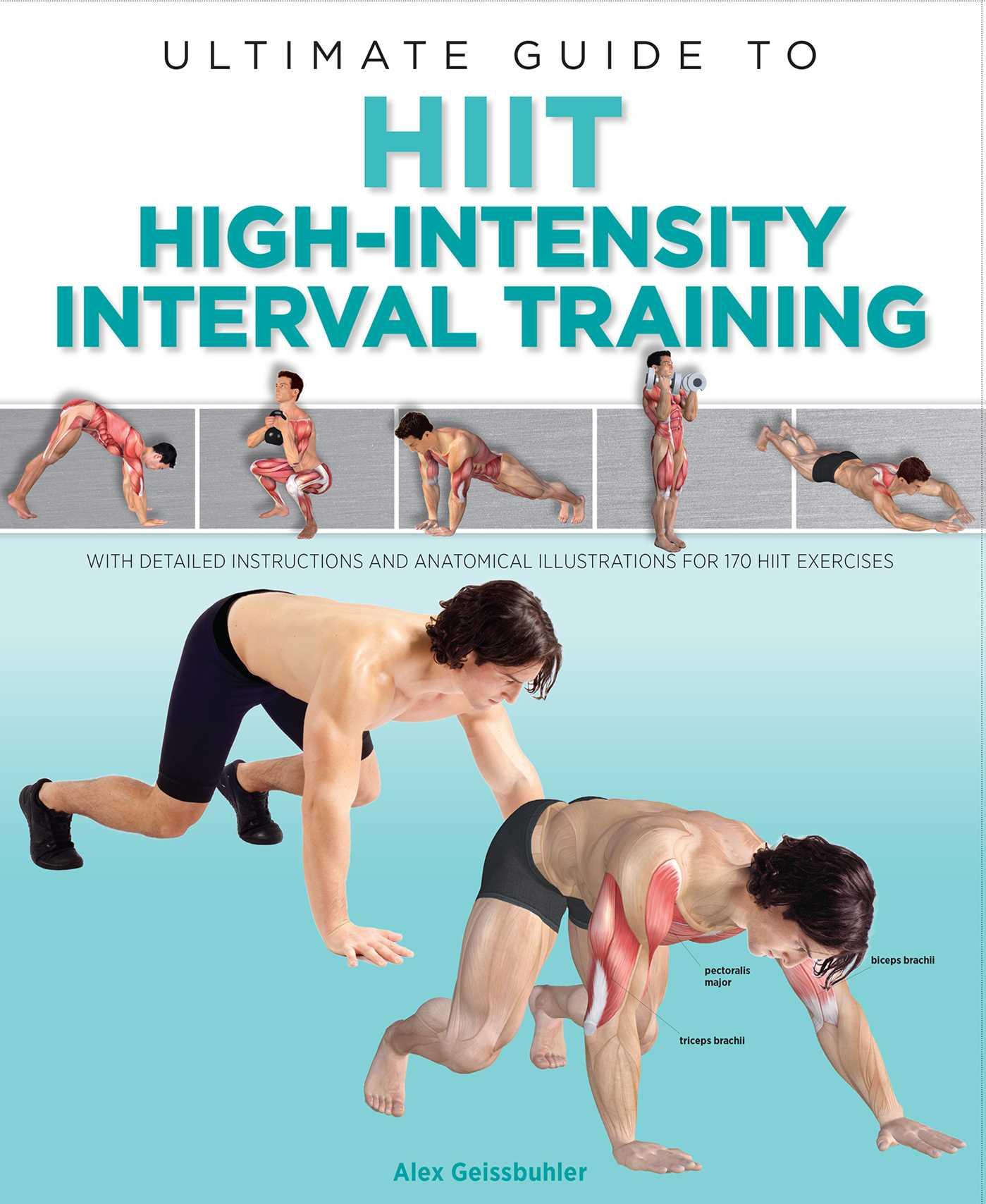
Are you tired of spending hours at the gym without seeing the results you crave? If you’re looking to shed pounds, build strength, or simply boost your fitness level in a shorter time, then high-intensity interval training (HIIT) might just be your new best friend. This workout style has been buzzing in the fitness world, and for good reason! It’s a time-efficient way to torch calories, improve cardiovascular health, and ramp up your metabolism—all in a fraction of the time it takes with traditional workouts. In this article, we’ll break down what HIIT is all about, why it’s so effective, and how you can get started, no matter your fitness level. So grab your water bottle and let’s dive into the fast-paced world of HIIT!
Table of Contents
- Understanding the Basics of High-Intensity Interval Training
- Maximizing Your Workout: Timing and Structure Tips
- Fueling Your Body: Nutrition for Optimal HIIT Performance
- Common Mistakes to Avoid for Effective Results
- Concluding Remarks
Understanding the Basics of High-Intensity Interval Training
High-Intensity Interval Training, commonly known as HIIT, is a form of exercise that alternates between intense bursts of activity and periods of rest or lower-intensity exercise. This approach not only maximizes your workout efficiency but also keeps your heart rate elevated, promoting better calorie burn even after you’ve finished exercising. Here’s what you need to know about the key elements:
- Intensity: You push your body to its limits during the high-intensity intervals, which can last anywhere from 20 seconds to a couple of minutes.
- Variety: HIIT can incorporate different exercises, from sprints and cycling to jump squats and burpees, keeping your routine fresh and engaging.
- Flexibility: You can customize the workout to fit your fitness level, allowing both beginners and advanced athletes to benefit.
The beauty of HIIT also lies in its time efficiency. A typical HIIT session lasts around 20 to 30 minutes, providing a complete workout without the hours spent in a gym. Many people appreciate that HIIT can be done virtually anywhere—at home, in a park, or at the gym—requiring minimal equipment. Here’s a quick comparison of traditional steady-state cardio versus HIIT:
| Aspect | Steady-State Cardio | High-Intensity Interval Training |
|---|---|---|
| Duration | 45-60 minutes | 15-30 minutes |
| Calorie Burn | Moderate during | High during and after |
| Equipment Needed | Varies | Minimal to none |
Maximizing Your Workout: Timing and Structure Tips
To truly maximize your workout and reap the most benefits from high-intensity interval training (HIIT), you need to pay attention to timing and structure. First off, opt for shorter, more intense bursts of exercise that last anywhere from 20 seconds to a minute, followed by a brief rest period. This allows your body to recuperate just enough to push itself again, maintaining a high heart rate throughout the session. Some effective structures to consider include:
- Tabata Style: 20 seconds on, 10 seconds off for 4 minutes.
- 30/30 Method: 30 seconds high intensity, 30 seconds low intensity or rest.
- 1:2 Ratio: For every minute of work, take two minutes to recovery.
Timing your workouts smartly can also lead to significant improvements. Most experts recommend scheduling HIIT sessions when your energy levels are at their peak, typically late morning or early evening. Additionally, consider incorporating different types of exercises within your HIIT routine to keep things exciting and engaging. A simple table to help structure your week might look like this:
| Day | Focus | Example Exercise |
|---|---|---|
| Monday | Lower Body | Squat Jumps |
| Wednesday | Upper Body | Push-Ups |
| Friday | Full Body | Burpees |
Fueling Your Body: Nutrition for Optimal HIIT Performance
When it comes to crushing your HIIT workouts, the right fuel is just as important as the intensity of your sessions. Think of your body as a high-performance vehicle; it requires quality fuel to function optimally. To maximize energy levels and enhance recovery, focus on a balanced diet filled with essential nutrients. Complex carbohydrates, such as quinoa and sweet potatoes, provide the sustained energy you need. Pair these with lean proteins like chicken or legumes to aid muscle repair, and don’t forget healthy fats from sources like avocados and nuts to support overall health.
Hydration also plays a crucial role in your performance. Staying hydrated helps maintain your energy levels and improves your ability to recover. Incorporate these elements into your daily nutrition regimen:
- Pre-Workout: A snack rich in carbs (like a banana) about 30 minutes beforehand.
- Post-Workout: A protein shake or Greek yogurt to kick-start muscle recovery.
- Throughout the Day: Plenty of water and electrolyte-rich drinks to keep hydrated.
| Ingredient | Benefit |
|---|---|
| Quinoa | Complex carbs for energy |
| Chicken | Lean protein for muscle repair |
| Avocado | Healthy fats for overall health |
| Banana | Quick energy boost |
Common Mistakes to Avoid for Effective Results
When diving into high-intensity interval training (HIIT), there are some pitfalls that many beginners tend to encounter. Skipping the warm-up can lead to injuries, so always start with at least 5-10 minutes of light cardio or dynamic stretching. Additionally, a common mistake is pushing too hard too fast; listen to your body and gradually increase the intensity. Remember, not everyone has the same fitness level, so it’s important to tailor your routine to your own capabilities. Don’t get caught up in comparing yourself to others—progress takes time!
Another frequent error lies in the structure of the workout itself. People often forget to include a balance of exercises targeting various muscle groups, which can lead to imbalances and overuse injuries. Ensure your routine incorporates cardio, strength, and flexibility components. Here’s a quick reference table for a balanced HIIT routine:
| Exercise | Duration (seconds) | Rest (seconds) |
|---|---|---|
| Burpees | 30 | 15 |
| Squat Jumps | 30 | 15 |
| Mountain Climbers | 30 | 15 |
| Push-ups | 30 | 15 |
Also, don’t overlook the importance of recovery. Rest days and sleep are crucial to avoid burnout and facilitate muscle repair. Lastly, while HIIT is known for its efficiency, be wary of cementing your routine into a monotonous cycle; vary your workouts to keep things fresh and prevent plateauing. Keep these tips in mind to maximize your results and enjoy the journey to fitness!
Concluding Remarks
High-Intensity Interval Training (HIIT) is not just a fitness fad; it’s a game changer for anyone looking to get fit fast and efficiently. Whether you’re a gym newbie or a seasoned pro, HIIT offers something for everyone—quick, effective workouts that can easily fit into your busy schedule. So why not give it a shot? Remember, it’s all about pushing yourself, staying consistent, and having fun while you’re at it. With the right approach, you’ll be on your way to smashing your fitness goals in no time. So lace up those sneakers, crank up the intensity, and dive into the exhilarating world of HIIT! See you at the finish line!