


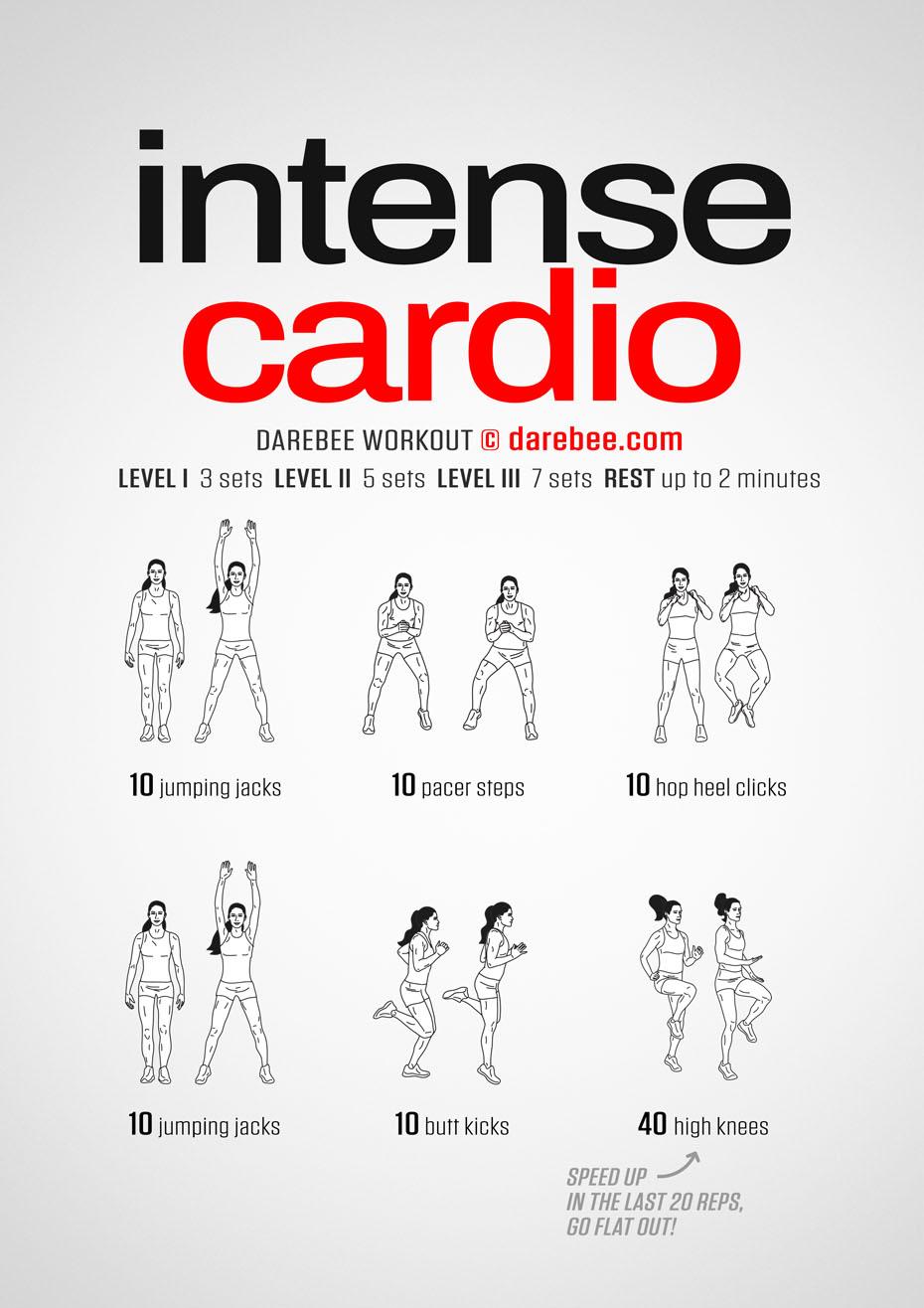
In the quest for effective weight loss strategies, countless avenues beckon, each promising a path to a healthier, more vibrant self. Among these, cardio workouts stand out as time-tested allies in the battle against stubborn pounds. From the rhythmic beat of a runner’s footfalls on a sunlit trail to the invigorating rush of a cycling class, cardiovascular exercise offers more than just a calorie burn—it unlocks a multitude of benefits that extend far beyond weight loss. In this article, we delve into the science and allure of cardio, exploring how these dynamic workouts can sculpt your body, elevate your mood, and enhance your overall well-being. Join us as we unravel the transformative power of movement and discover how to harness it in your weight loss journey.
Table of Contents
- The Science Behind Cardio: How It Accelerates Fat Loss
- Choosing the Right Cardio: Navigating Options for Maximum Impact
- Integration into Your Routine: Making Cardio Work for You
- Tracking Progress: Measuring Success Beyond the Scale
- In Summary
The Science Behind Cardio: How It Accelerates Fat Loss
The chemistry of fat loss during cardiovascular exercise hinges on a delicate balance between energy expenditure and the body’s metabolic processes. When engaged in activities like running, cycling, or swimming, the heart rate increases, prompting the body to mobilize stored fat for fuel. This metabolic shift occurs due to the demand for energy outstripping what can be supplied by carbohydrates alone. As a result, fat stores become increasingly engaged, particularly during prolonged sessions of moderate to high-intensity cardio.
Some key physiological responses that enhance fat loss include:
- Increased Heart Rate: Elevates caloric burn and shifts energy use towards fat.
- Enhanced Metabolic Rate: Elevates post-exercise oxygen consumption (EPOC), leading to continued fat burning even after the workout.
- Hormonal Regulation: Promotes the release of insulin and growth hormone, both crucial for fat mobilization.
Moreover, the frequency and duration of cardio workouts play crucial roles in optimizing fat loss. Engaging in consistent aerobic exercise not only enhances cardiovascular health but also builds endurance, allowing individuals to sustain higher intensities over more extended periods. This paves the way for increased fat oxidation rates. Furthermore, combining varying forms of cardio, such as steady-state and high-intensity interval training (HIIT), can also maximize results and keep the body adapting.
Below is a simplified comparison of the energy expenditure between different cardio exercises:
| Cardio Exercise | Calories Burned (Per 30 Minutes) |
|---|---|
| Running (6 mph) | 300+ |
| Cycling (moderate effort) | 250+ |
| Swimming | 220+ |
| Jump Rope | 350+ |
Choosing the Right Cardio: Navigating Options for Maximum Impact
When it comes to maximizing your weight loss potential through cardio workouts, it’s essential to explore different options that fit your personal preferences and lifestyle. Each type of cardio offers unique benefits and can target various muscle groups, ensuring a well-rounded approach to fitness. Consider trying a mix of the following activities:
- Running or Jogging: Excellent for burning calories and improving cardiovascular health.
- Cycling: A low-impact option that’s great for building leg strength and endurance.
- Swimming: A full-body workout that’s easy on the joints and incredibly refreshing.
- HIIT (High-Intensity Interval Training): Burn significant calories in a short amount of time while boosting metabolism.
- Rowing: Engages upper and lower body, offering a strong cardio workout and muscle toning.
To make informed decisions on the type of cardio to incorporate, you may want to consider a few factors such as your fitness goals, current fitness level, and the time you have available. Below is a simple comparison that can guide your selection:
| Cardio Type | Calorie Burn (per 30 mins) | Equipment Needed |
|---|---|---|
| Running | 240-355 | Running shoes |
| Cycling | 210-310 | Bicycle or stationary bike |
| Swimming | 200-300 | Swimsuit, access to a pool |
| HIIT | 240-400 | None (bodyweight flexibility) |
| Rowing | 200-300 | Rowing machine |
Integration into Your Routine: Making Cardio Work for You
Integrating cardio into your everyday life can be an effortless and enjoyable journey. Start by identifying moments in your day where you can incorporate small bursts of activity. For instance, consider the following strategies to seamlessly blend cardio into your routine:
- Morning Walks: Set aside 20-30 minutes for a brisk walk before your day begins to kickstart your metabolism.
- Active Commutes: If possible, walk or cycle to work. Not only does it serve as cardio, but it also helps reduce stress.
- Workout Breaks: Schedule short workout breaks during long work hours—5 minutes of jumping jacks or squats can make a difference.
To support your efforts, consider creating a weekly cardio schedule that balances various activities, ensuring variety and sustainability in your fitness regime. Here’s a simple weekly plan to get you started:
| Day | Activity | Duration |
|---|---|---|
| Monday | Jogging | 30 minutes |
| Wednesday | Cycling | 45 minutes |
| Friday | Dance Class | 1 hour |
| Saturday | HIIT Workout | 30 minutes |
By following a structured plan and embedding cardio into your daily life, you can enhance not only your fitness but also your overall well-being. Remember, the key is to find activities that you genuinely enjoy; this will motivate you to stay committed and make cardio a lasting part of your lifestyle.
Tracking Progress: Measuring Success Beyond the Scale
When embarking on a weight loss journey, many individuals focus primarily on the numbers displayed on the scale. However, true success encompasses a myriad of other indicators that reflect overall health and fitness levels. By shifting attention from the scale to the broader spectrum of progress, you can appreciate achievements that may not be quantifiable in pounds. Here are some significant factors to consider:
- Energy Levels: Noticeable increases in daily energy can be a sure sign that your cardio workouts are paying off.
- Fitness Milestones: Completing a longer run or improving your pace can be just as rewarding as losing weight.
- Muscle Tone: As you incorporate cardio, you may witness improved muscle definition and tonality.
- Clothing Fit: Outfits may fit better or feel looser, indicating physical changes not shown on the scale.
To further quantify progress, consider maintaining a regular log to track various metrics over time. This could include measurements of key body parts, daily energy levels, and workout performance stats. Below is a simple format to keep you organized:
| Metric | Start Value | Current Value |
|---|---|---|
| Waist Measurement | 32 inches | 30 inches |
| Run Time (5k) | 35 minutes | 28 minutes |
| Energy Level (1-10) | 5 | 8 |
By embracing these multifaceted indicators, you can cement a more inspiring and holistic view of your weight loss adventure, ultimately motivating you to continue striving for your personal best.
In Summary
unlocking weight loss may just be a heartbeat away, and cardio workouts hold the key to that door. From the rhythmic pounding of your feet on the pavement to the invigorating bursts of energy in a high-intensity class, these workouts not only torch calories but also elevate your mood and enhance your overall health. As you embark on your fitness journey, remember that consistency is your greatest ally and every drop of sweat is a step closer to your goals. So, lace up those sneakers, embrace the power of movement, and let the journey unfold one heartbeat at a time. Your commitment to cardio could very well be the turning point in your weight loss success story.