


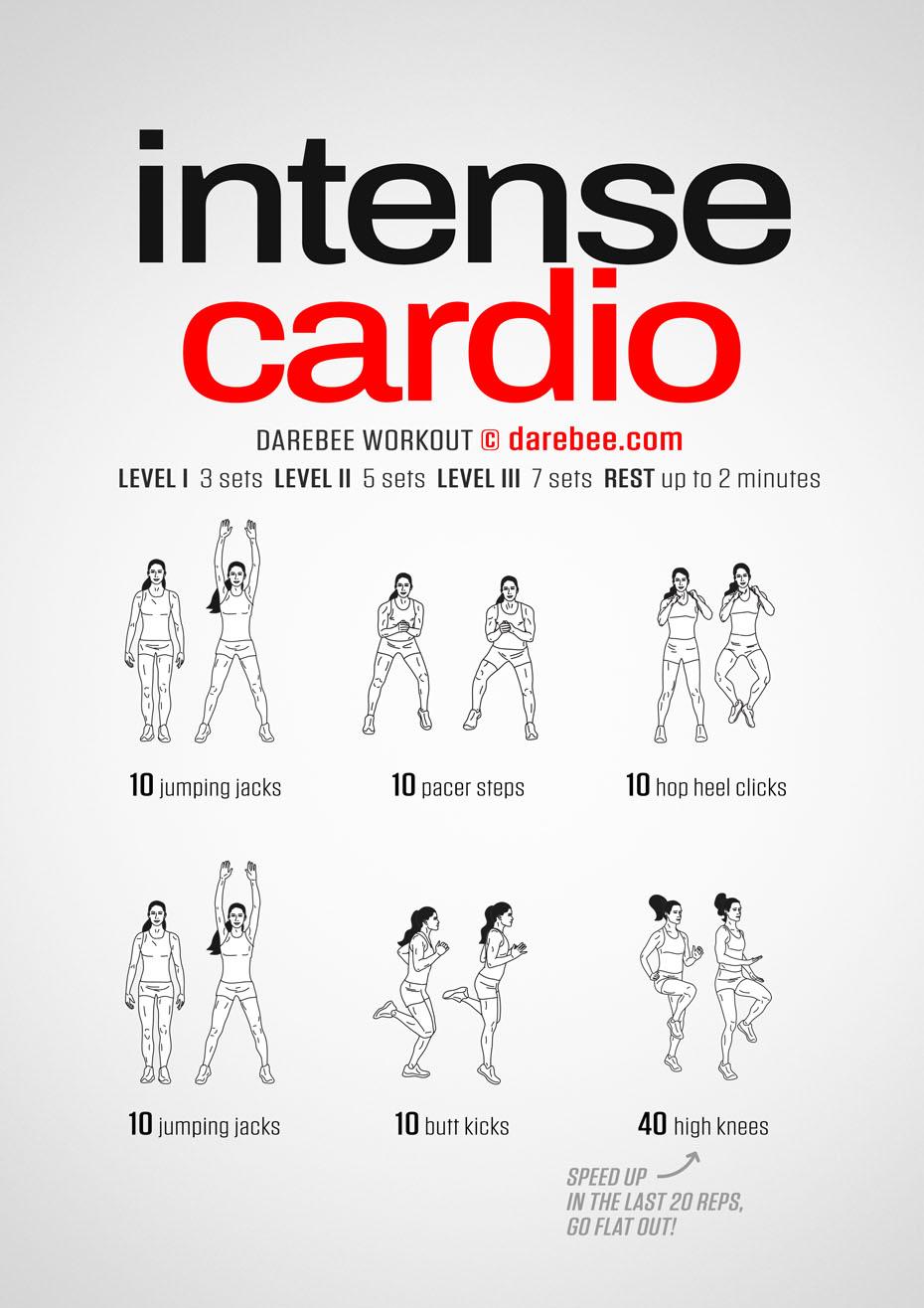
In a world pulsating with fitness trends, where gym selfies and exercise apps dominate our feeds, the debate between cardio and strength training continues to captivate enthusiasts and novices alike. Picture this: a well-lit gym floor divided by two fervent factions, each championing their preferred workout regime. On one side, the cardio lovers champion heart-pumping routines and calorie-burning circuits; on the other, the strength training advocates proudly lift weights, touting their gains and endurance. As the fitness landscape evolves, so too do the questions surrounding these two fundamental training methods. Which approach reigns supreme for overall health? Is there an ideal blend, or is it a matter of personal preference? In this article, we will peel back the layers of the cardio versus strength training quandary, examining their distinct benefits, exploring the science behind each, and ultimately guiding you toward a balanced approach that aligns with your fitness goals. Join us as we decode this age-old dilemma and help you find your place in the dynamic world of fitness.
Table of Contents
- The Heart of the Matter: Understanding Cardios Role in Fitness
- Building a Strong Foundation: The Benefits of Strength Training
- Finding Balance: How to Integrate Cardio and Strength for Optimal Health
- Personal Goals and Preferences: Tailoring Your Fitness Journey
- To Wrap It Up
The Heart of the Matter: Understanding Cardios Role in Fitness
Cardiovascular exercise serves as a vital component of any well-rounded fitness regimen, offering profound benefits that extend beyond mere calorie burning. By elevating your heart rate, cardio workouts enhance blood circulation, improve lung capacity, and encourage an efficient metabolic rate. While strength training builds muscle and tones the body, cardio exposes your cardiovascular system to a consistent challenge, fortifying your heart against diseases and promoting overall stamina. Engaging in varied forms of cardio—such as running, cycling, swimming, or dancing—can also keep motivation levels high, ensuring that your fitness journey remains both enjoyable and effective.
To better understand the balance between these two significant pillars of fitness, consider the following benefits of cardio:
- Weight Management: Supports fat loss and body composition improvement.
- Enhanced Mood: Releases endorphins, helping in stress reduction and boosting overall mental health.
- Health Benefits: Lowers risks of chronic diseases such as hypertension and diabetes.
- Increased Endurance: Improves your ability to perform everyday tasks with ease.
Many fitness enthusiasts wonder how to effectively integrate cardio into their strength training routines. Below is a simple table depicting a sample weekly schedule that balances both:
| Day | Cardio | Strength Training |
|---|---|---|
| Monday | 30 min jogging | Upper body workout |
| Tuesday | Rest or light walking | Lower body workout |
| Wednesday | 45 min cycling | Core exercises |
| Thursday | 30 min HIIT | Full body workout |
| Friday | 30 min swimming | Flexibility training |
| Saturday | Outdoor hike | Active recovery (yoga) |
| Sunday | 30 min brisk walking | Rest day |
Building a Strong Foundation: The Benefits of Strength Training
Strength training is a powerhouse in the fitness world, offering a multitude of benefits that go beyond just building muscle. By incorporating resistance exercises into your routine, you not only enhance your physical strength, but also improve your body’s overall functionality. Here are a few key advantages:
- Increased Metabolism: Muscle tissue burns more calories at rest compared to fat tissue, so gaining muscle through strength training can boost your metabolism.
- Enhanced Bone Density: Resistance training is known to improve bone health, reducing the risk of osteoporosis as you age.
- Improved Balance and Coordination: Regular strength workouts can enhance your proprioception, helping you maintain better balance and prevent injuries.
- Mental Health Benefits: Engaging in strength training can lead to improved mood and reduced symptoms of anxiety and depression.
Moreover, strength training can be tailored to fit individual goals, whether you aim for weight loss, muscle gain, or athletic performance improvement. Given its versatility, it’s accessible to people of all ages and fitness levels. Consider these effective options for integrating strength training into your routine:
| Type of Training | Key Focus | Recommended Frequency |
|---|---|---|
| Bodyweight Exercises | Utilizes the weight of your body | 3-4 times a week |
| Free Weights | Involves dumbbells and kettlebells | 2-3 times a week |
| Resistance Bands | Offers variable resistance levels | 2-3 times a week |
| Weight Machines | Guides movements with fixed paths | 2-3 times a week |
Finding Balance: How to Integrate Cardio and Strength for Optimal Health
Achieving a harmonious blend of cardiovascular and strength training can transform your fitness journey. Cater to your individual goals by allocating time to both styles of workouts. Cardio invigorates the heart and boosts endurance, while strength training enhances muscle mass and metabolism. Here are key tips for integration:
- Schedule Sessions: Plan your workouts throughout the week, alternating cardio and strength to keep routines fresh.
- Combine Workouts: Engage in circuit training that incorporates both cardio bursts and strength exercises.
- Listen to Your Body: Adjust the intensity based on your energy levels and recovery needs.
To help visualize your balanced routine, consider structuring it in a weekly schedule:
| Day | Workout Type | Duration |
|---|---|---|
| Monday | Strength Training | 45 minutes |
| Tuesday | Cardio | 30 minutes |
| Wednesday | Strength Training | 45 minutes |
| Thursday | Cardio | 30 minutes |
| Friday | Strength Training | 45 minutes |
| Saturday | Active Recovery | 30 minutes |
| Sunday | Rest | – |
This schedule provides a roadmap for integrating cardio and strength training, optimizing overall health while allowing for recovery. Ultimately, the goal is to find the right mix that keeps you motivated and leads to sustainable progress.
Personal Goals and Preferences: Tailoring Your Fitness Journey
When embarking on a fitness journey, recognizing and prioritizing your personal goals and preferences is pivotal. Are you aiming to shed pounds, build muscle, or enhance your overall health? Your motivations deeply influence whether to focus on cardio, strength training, or a balanced combination of both. It’s essential to reflect on what you enjoy most, as enjoyment can drastically improve adherence to a fitness regimen. Consider the following factors as you carve out your path:
- Time Commitment: Evaluate how much time you can dedicate to workouts each week.
- Workout Environment: Determine if you prefer a gym setting or outdoor activities.
- Social Aspects: Reflect on whether you thrive in group classes or prefer solitary workouts.
- Fitness Level: Identify your starting point and how much challenge you seek.
Additionally, understanding your body’s response to various workouts can guide your decision-making. Many individuals find that combining elements of both cardio and strength training can yield the best results, catering to endurance, muscle building, and fat loss simultaneously. Below is a simple comparison of benefits associated with each type:
| Type of Training | Primary Benefits |
|---|---|
| Cardio | Improves cardiovascular health, aids in weight loss, boosts mood |
| Strength Training | Enhances muscle tone, increases metabolism, strengthens bones |
To Wrap It Up
As we wrap up our exploration of the age-old fitness debate between cardio and strength training, it’s clear that the path to optimal health is not a one-size-fits-all journey. Rather, it’s a dynamic landscape that invites you to blend both modalities into your personalized routine. Whether you’re drawn to the rhythmic pulse of cardio or the empowering lift of weights, the key lies in understanding how each element contributes to your overall well-being.
Ultimately, the best fitness strategy is one that resonates with your goals, lifestyle, and preferences. So, take a moment to reflect: Are you seeking endurance for life’s adventures, strength for daily tasks, or perhaps a harmonious balance of both? Listen to your body, experiment, and remember that every step—whether it’s a jog around the park or a set in the gym—brings you closer to a healthier you. The dilemma is not so much about choosing one over the other but rather embracing the unique benefits each offers. As you move forward in your fitness journey, let curiosity and versatility be your guides, and may every workout bring you one step closer to your aspirations.