


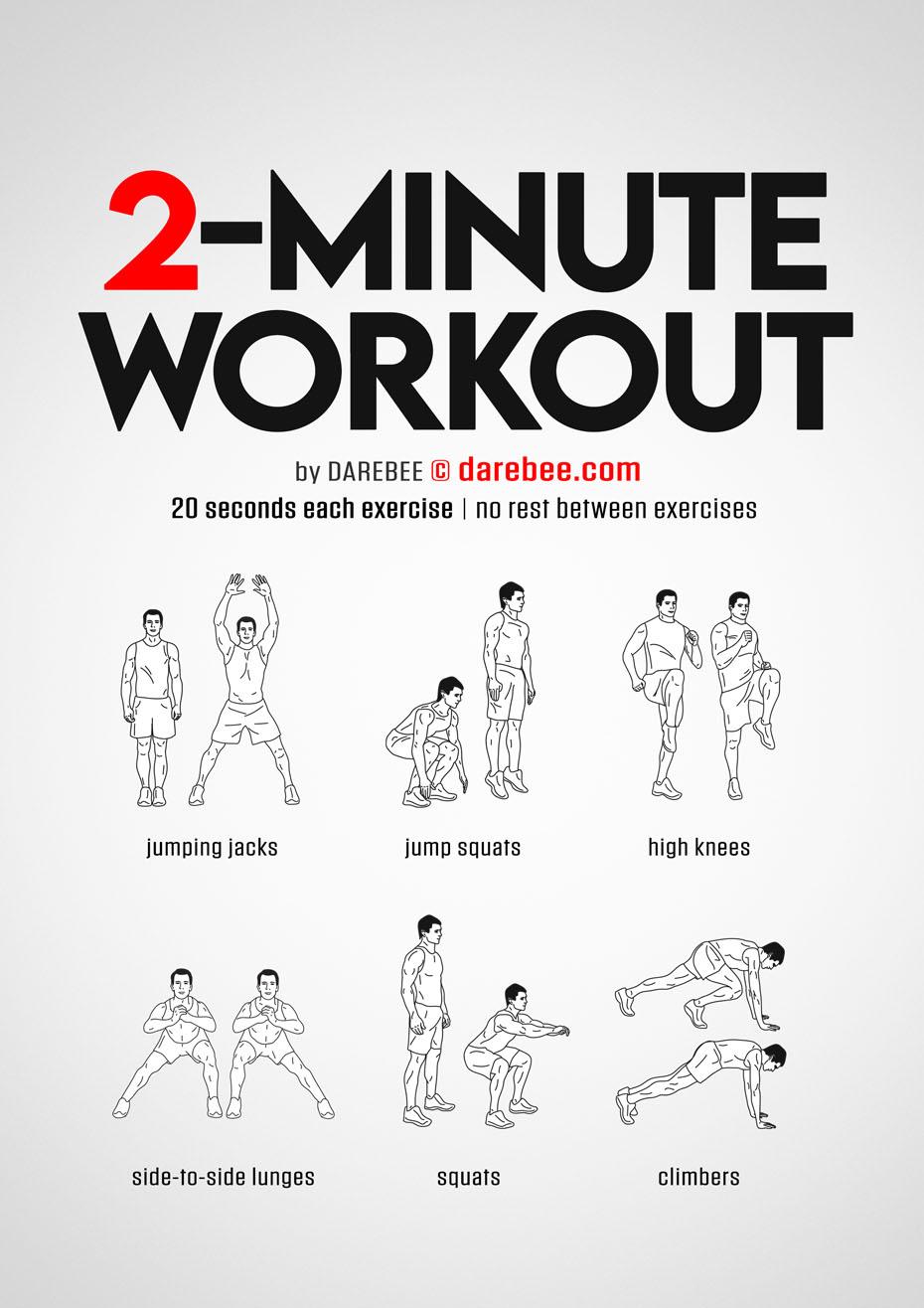
In an era where physical fitness is increasingly recognized as a cornerstone of overall health, understanding the various benefits and types of effective workouts has never been more critical. Regular exercise not only enhances physical wellbeing but also contributes significantly to mental health, emotional stability, and longevity. With a plethora of workout options available, ranging from traditional strength training and aerobics to modern high-intensity interval training (HIIT) and mind-body practices such as yoga and Pilates, individuals are faced with a daunting array of choices tailored to diverse fitness goals and preferences. This article aims to explore the multifaceted benefits of effective workouts while delving into the different modalities that can cater to individual needs, ultimately guiding readers toward informed decisions about their fitness journeys.
Table of Contents
- Understanding the Importance of Physical Activity for Overall Health
- Diverse Workout Regimens: Finding the Right Fit for Individual Goals
- Key Components of Effective Workouts and Their Physiological Benefits
- Incorporating Technology and Trends in Modern Fitness Routines
- Final Thoughts
Understanding the Importance of Physical Activity for Overall Health
Engaging in regular physical activity is crucial for maintaining a balanced lifestyle and enhancing overall health. It serves as a powerful tool for preventing various chronic diseases, improving mental well-being, and contributing to a better quality of life. The benefits of staying active are numerous, including:
- Weight Management: Regular exercise helps maintain a healthy weight by balancing calorie consumption with calorie expenditure.
- Cardiovascular Health: Physical activity strengthens the heart and improves circulation, reducing the risk of heart disease.
- Muscle Strength and Flexibility: Engaging in different forms of exercise helps build muscle strength and enhances flexibility.
- Mental Health Benefits: Exercise is associated with lower levels of anxiety and depression, promoting overall mental well-being.
- Improved Sleep Quality: Regular physical activity can contribute to better sleep patterns, enhancing restorative sleep.
In addition to these health benefits, incorporating a variety of workouts into your routine can keep your regimen interesting and sustainable. Here are some popular workout options that cater to different preferences and goals:
| Workout Type | Benefits |
|---|---|
| Cardio | Boosts endurance and burns calories |
| Strength Training | Builds muscle and increases metabolism |
| Yoga | Enhances flexibility and reduces stress |
| Pilates | Improves core strength and posture |
| High-Intensity Interval Training (HIIT) | Maximizes calorie burn in a short time |
Diverse Workout Regimens: Finding the Right Fit for Individual Goals
When it comes to fitness, a one-size-fits-all approach often fails to deliver the best results. Each individual has unique goals that can range from weight loss and muscle gain to improved endurance and overall well-being. Understanding these goals is crucial in selecting a workout regimen that aligns with personal aspirations. Here are some common workout types to consider based on individual objectives:
- Cardiovascular Training: Ideal for those looking to enhance endurance and shed weight.
- Strength Training: Beneficial for muscle building and increasing metabolic rate.
- Flexibility Workouts: Focus on improving range of motion, including yoga and Pilates.
- High-Intensity Interval Training (HIIT): Efficient for burning fat in a short period and enhancing cardiovascular health.
- Sport-Specific Training: Tailored to improve skills and performance in a particular sport.
Choosing the right regimen also means considering personal preferences and lifestyle. An enjoyable workout is more sustainable in the long run. It’s important to assess the time commitment and equipment availability when crafting a plan. Below is a simple comparison of commitment levels and equipment needs for different workout types:
| Workout Type | Time Commitment | Equipment Needed |
|---|---|---|
| Cardio | 30-60 min | Minimal (e.g., running shoes) |
| Strength | 45-90 min | Dumbbells, machines, or bodyweight |
| Flexibility | 20-45 min | None to minimal (e.g., mat) |
| HIIT | 20-45 min | Interval timer, optional weights |
| Sport-Specific | Varies | Sport-specific gear |
Key Components of Effective Workouts and Their Physiological Benefits
Effective workouts integrate several key components that synergize to enhance overall health and fitness. Strength training, for instance, plays a crucial role in building muscle mass and increasing metabolic rate, which can lead to fat loss and improved body composition. Cardiovascular exercises promote heart health, improve endurance, and boost circulation, while also releasing endorphins that elevate mood. Flexibility and mobility work, such as stretching or yoga, help prevent injuries and enhance overall physical performance by maintaining joint health and promoting recovery. Together, these elements create a balanced routine that fosters bodily resilience and supports functional movement in daily life.
The physiological benefits of engaging in these diverse workout types extend beyond mere aesthetics. Strength training can enhance bone density and regulate insulin sensitivity, reducing the risk of chronic diseases. Cardiovascular workouts lower blood pressure and improve cholesterol levels, contributing to a healthier cardiovascular system. Meanwhile, maintaining strength and flexibility can alleviate chronic pain and improve posture, fostering overall well-being. Below is a table summarizing the specific benefits associated with each component:
| Workout Component | Physiological Benefits |
|---|---|
| Strength Training | Increases muscle mass, boosts metabolism, enhances bone density |
| Cardiovascular Exercise | Improves heart health, lowers blood pressure, increases endurance |
| Flexibility/Mobility | Prevents injuries, improves range of motion, aids recovery |
Incorporating Technology and Trends in Modern Fitness Routines
In today’s fast-paced world, technology plays a crucial role in enhancing fitness experiences and outcomes. Wearable devices, such as smartwatches and fitness trackers, allow users to monitor their progress in real-time, promoting accountability and motivation. These gadgets can track various metrics, including heart rate, calorie burn, and hours of sleep, providing personalized insights that help individuals adjust their routines for maximum benefit. Additionally, mobile apps offer access to a vast array of workout plans, guided sessions, and community support, making it easier than ever to maintain consistency in training.
Keeping up with trends, many modern fitness routines integrate innovative elements to keep workouts engaging and effective. Classes utilizing virtual reality, high-intensity interval training (HIIT), and dance fitness combine entertainment with exercise, capturing interest and encouraging participation. Furthermore, the rise of online fitness communities allows enthusiasts to connect, share experiences, and participate in challenges from the comfort of their homes. This inclusive approach not only democratizes access to fitness but also fosters a sense of belonging, which can significantly boost adherence to exercise programs.
Final Thoughts
the exploration of effective workouts reveals a diverse landscape of options tailored to meet various fitness goals and preferences. From strength training and cardiovascular exercises to flexibility routines and high-intensity interval training, each variety offers unique benefits that can enhance physical health and mental well-being. Understanding the characteristics and advantages of different workouts enables individuals to make informed choices that align with their personal objectives. As the fitness industry continues to evolve, embracing a well-rounded approach that incorporates multiple forms of exercise may not only promote better results but also foster a more enjoyable and sustainable fitness journey. Ultimately, the key lies in finding the right balance that suits one’s lifestyle, ensuring long-term commitment and success in achieving health and fitness aspirations.