


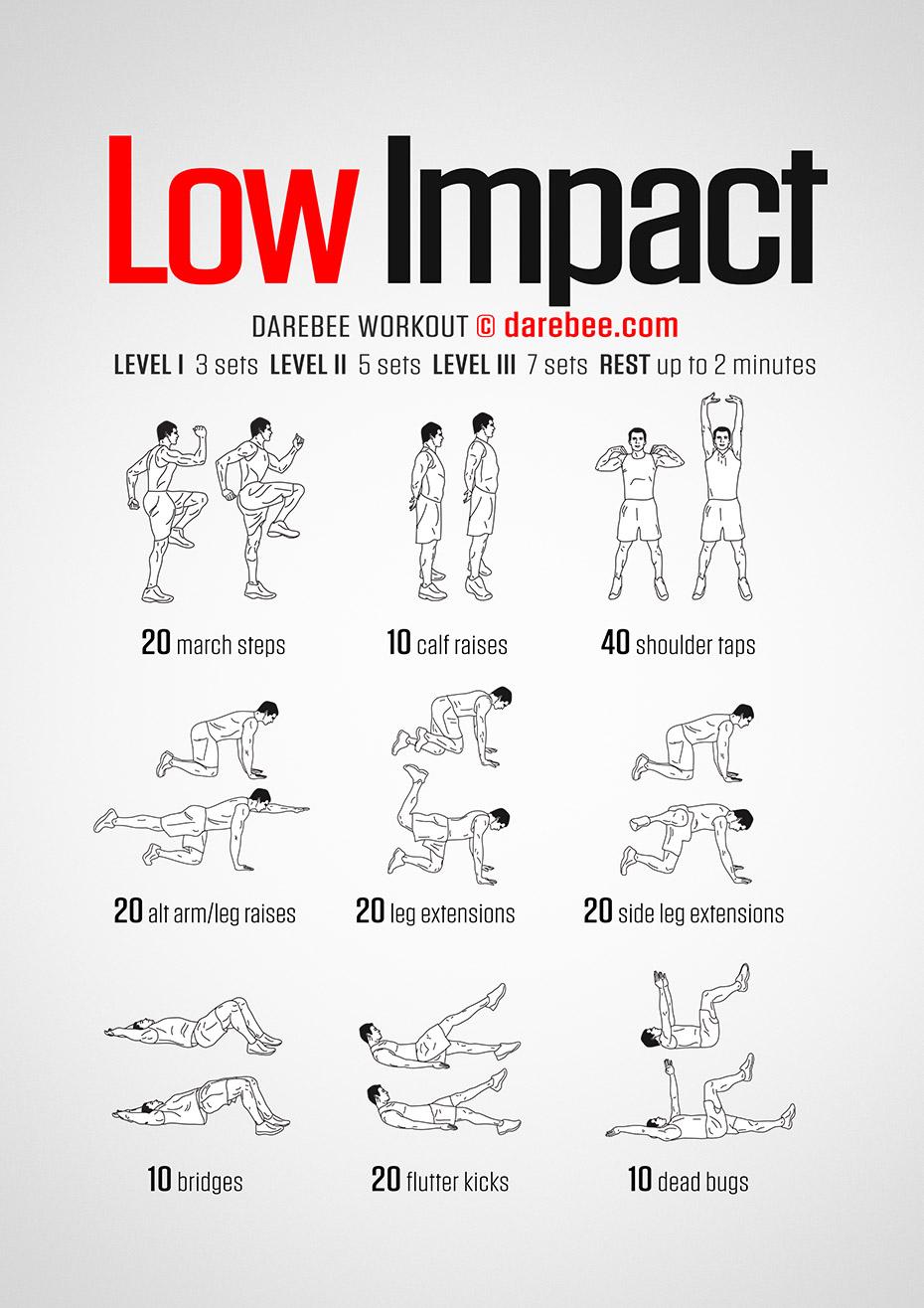
In a world where fitness often comes with images of intense weightlifting and high-impact routines, the pursuit of health can sometimes feel overwhelming—especially for those with joint concerns or chronic pain. Fortunately, there’s a realm of exercise that celebrates movement without the jarring effects of traditional cardio: low-impact workouts. These gentle yet effective routines offer a path to cardiovascular health while being easy on the joints, making them accessible to everyone, from seasoned athletes to beginners seeking a sustainable approach to fitness. In this article, we invite you to explore a variety of low-impact cardio workouts that enable you to keep your heart healthy while nurturing your body. Discover how you can enjoy energetic sessions that strengthen endurance, enhance flexibility, and promote overall well-being—without sacrificing comfort. Join us as we delve into the world of low-impact cardio and unlock the joy of movement that feels great at any age or fitness level.
Table of Contents
- Gentle Motion: The Benefits of Low-Impact Cardio for Joint Health
- Common Low-Impact Cardio Options: Finding the Right Fit for Your Lifestyle
- Incorporating Low-Impact Cardio into Your Routine: Tips for Success
- Advanced Techniques: Elevating Your Low-Impact Workouts for Better Results
- Key Takeaways
Gentle Motion: The Benefits of Low-Impact Cardio for Joint Health
Engaging in low-impact cardio workouts can be vital for maintaining joint health while still enjoying a fulfilling exercise routine. This type of exercise minimizes stress on the joints, making it a safe option for those with arthritis, previous injuries, or anyone looking to avoid the wear and tear often associated with high-impact activities. From swimming to cycling and even brisk walking, low-impact options provide effective cardiovascular benefits without compromising joint integrity. Regular participation in these activities can lead to improved range of motion, enhanced flexibility, and greater strength in the surrounding muscles, all of which contribute positively to joint functionality.
The benefits extend beyond physical comfort; low-impact cardio can significantly enhance quality of life by promoting consistent physical activity and helping to manage weight. People who engage in these gentle exercises often experience reduced inflammation, accelerated recovery times, and an overall sense of well-being. Here’s a quick look at popular low-impact cardio options:
| Activity | Benefits |
|---|---|
| Swimming | Zero gravity; full-body workout |
| Cycling | Strengthens leg muscles; joint-friendly |
| Elliptical Trainer | Reduces impact on knees; combines cardio with strength |
| Walking | Accessible; fits into daily routines |
Common Low-Impact Cardio Options: Finding the Right Fit for Your Lifestyle
Finding the right low-impact cardio option can significantly enhance your fitness journey while being gentle on your joints. There are plenty of choices to fit various lifestyles and preferences, ensuring that you can enjoy your workouts without unnecessary strain. Here are some popular low-impact activities that you might consider:
- Walking: A simple yet effective way to stay active, whether it’s on a treadmill or outdoors in nature.
- Swimming: An excellent full-body workout that allows you to strengthen your muscles without any pressure on your joints.
- Bicycling: Riding a bike, whether stationary or on the road, provides great cardiovascular benefits while being easy on the knees.
- Elliptical Training: This machine mimics jogging or running but reduces the impact on your joints significantly.
- Yoga: While often seen as a flexibility-focused practice, many forms of yoga also produce increased heart rates and engage various muscle groups.
To help you choose which exercise might suit you best, consider the following table summarizing each option’s intensity level and additional benefits:
| Activity | Intensity Level | Benefits |
|---|---|---|
| Walking | Low | Improves cardiovascular health, enhances mood |
| Swimming | Moderate | Full-body workout, builds endurance |
| Bicycling | Varies | Strengthens legs, boosts cardiovascular fitness |
| Elliptical Training | Moderate | Burns calories, strengthens core and legs |
| Yoga | Varies | Increases flexibility, reduces stress |
Incorporating Low-Impact Cardio into Your Routine: Tips for Success
Integrating low-impact cardio into your fitness routine can be both enjoyable and beneficial for your overall health. Start with activities that fit your lifestyle; this could include walking, cycling, swimming, or even dancing. Each of these options effectively elevates your heart rate while minimizing stress on your joints. Make a conscious effort to incorporate at least 30 minutes of low-impact cardio into your daily schedule, whether it’s choosing the stairs over the elevator or taking a brisk walk during your lunch break. Remember, consistency is key, so aim for a frequency that you can maintain without feeling overwhelmed.
To enhance your low-impact cardio experience, consider these tips for success:
- Mix it up: Alternate between different activities to keep things fresh and engaging.
- Utilize technology: Use fitness apps or wearables to track your progress and stay motivated.
- Prioritize warming up: This helps prevent injuries and prepares your body for exercise.
- Stay hydrated: Drinking water before, during, and after your workout is crucial for optimal performance.
| Activity | Duration | Calories Burned (approx.) |
|---|---|---|
| Walking | 30 min | 150 |
| Swimming | 30 min | 200 |
| Cycling | 30 min | 250 |
| Dancing | 30 min | 180 |
Advanced Techniques: Elevating Your Low-Impact Workouts for Better Results
To enhance your low-impact workouts, consider integrating a variety of advanced techniques that can intensify your routine while keeping joint stress to a minimum. Incorporating interval training into your cardio sessions can effectively boost heart rate and caloric burn. You can alternate between periods of moderate and brisk activity, such as switching between gentle cycling and more vigorous pedaling or alternating slower walking with short bursts of faster-paced strides. This method not only increases metabolic output but also adds an element of fun and challenge to your workout.
Another effective approach is to use resistance tools during your cardio activities. Light weights or resistance bands can be seamlessly integrated into exercises like walking or step aerobics, enhancing muscle engagement without sacrificing the low-impact nature of your workout. Additionally, incorporating mind-body techniques such as Pilates or yoga can improve flexibility, core strength, and overall body awareness, creating a balanced routine that promotes sustained progress. Below is a simple comparison table showcasing these techniques:
| Technique | Benefits |
|---|---|
| Interval Training | Boosts heart rate; increases caloric burn |
| Resistance Tools | Enhances muscle engagement; low-joint stress |
| Mind-Body Techniques | Improves flexibility; promotes body awareness |
Key Takeaways
As we conclude our exploration into the realm of low-impact cardio workouts, it’s clear that prioritizing joint health does not mean sacrificing fitness or enjoyment. Whether you’re dancing through a Zumba class, gliding in a water aerobics session, or taking a leisurely cycling ride, these gentle yet effective activities open up a world of possibilities for maintaining an active lifestyle without overstraining your body.
Remember, the path to fitness is not a one-size-fits-all approach; it’s a personal journey that invites you to listen to your body and choose movements that nourish rather than challenge it. As you embark on your low-impact adventure, let each workout be an opportunity to reconnect with yourself and embrace the joy of movement, all while treating your joints with the care they deserve. Here’s to a healthier, happier you, where every step is taken with intention and every breath is filled with vitality. Happy moving!