


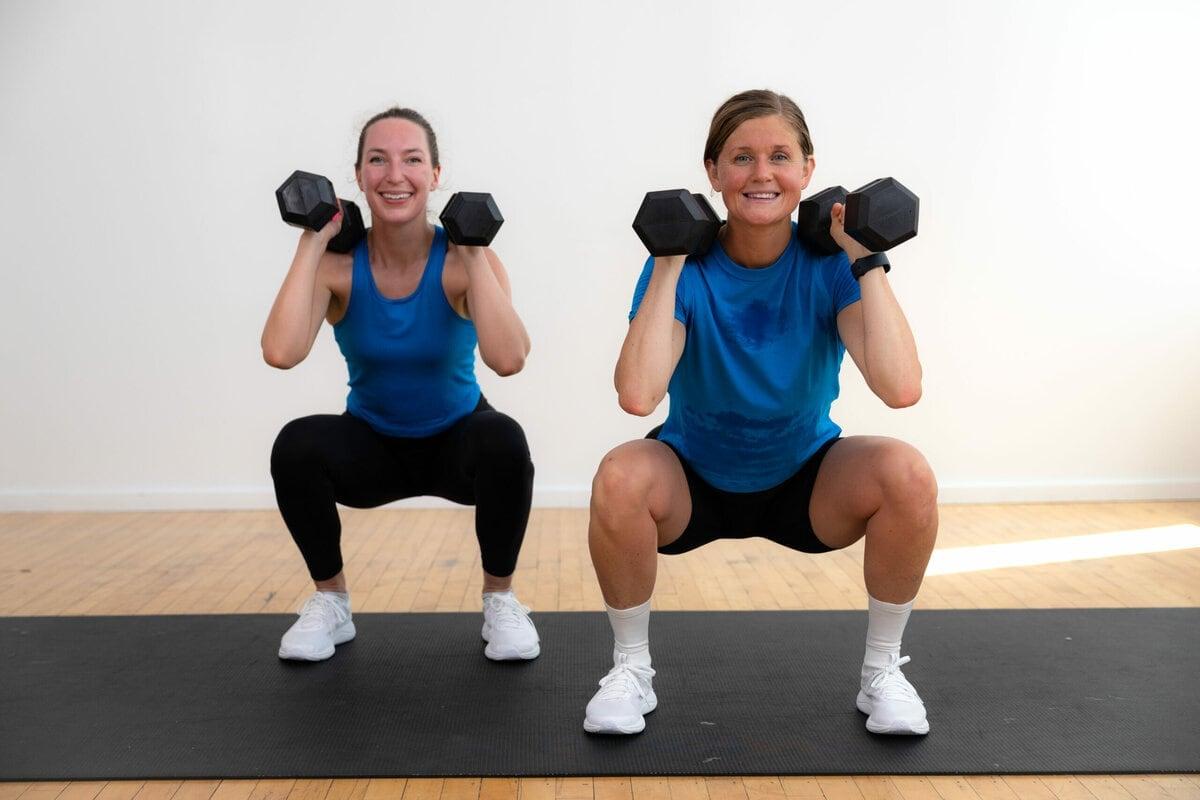
In the labyrinth of fitness, strength training stands as one of the most rewarding yet formidable paths to traverse. Whether you’re a novice stepping into the realm of weights or a seasoned lifter facing plateaus, the challenges can feel as daunting as they are diverse. From understanding proper form to maintaining motivation, the journey to building strength is often riddled with obstacles that can derail even the most determined enthusiast. However, every challenge presents an opportunity for growth and triumph. In this article, we will delve into practical strategies to help you conquer common strength training hurdles, transforming potential setbacks into stepping stones on your way to success. Join us as we explore actionable tips designed to empower you, enhance your training regimen, and ultimately propel you toward your fitness goals.
Table of Contents
- Understanding Your Strength Goals for Effective Training
- Overcoming Common Mental Barriers in Strength Training
- Essential Techniques for Safe and Effective Lifting
- Building a Supportive Environment for Consistent Progress
- The Way Forward
Understanding Your Strength Goals for Effective Training
When it comes to achieving strength goals, clarity is key. Understanding why you are setting specific targets can vastly improve your motivation and focus. Some factors to consider are:
- Personalization: Recognize that everyone has different starting points and aspirations, making personalized goals essential for your success.
- Measurable Progress: Establish criteria to track your progress, which can help you stay committed and identify areas for improvement.
- Timeframe: Set realistic deadlines to achieve your strength goals, allowing you to build a structured training plan.
Moreover, categorizing your strength goals can streamline your training process. You might want to distinguish between short-term and long-term objectives, as well as the different types of strength you wish to develop. Consider the following categories:
| Type of Strength | Examples | Goal Setting |
|---|---|---|
| Maximal Strength | Powerlifting, Olympic lifting | Increase weight lifted by X% in Y months |
| Functional Strength | Bodyweight exercises, kettlebells | Complete X reps of an exercise unbroken |
| Endurance Strength | High-rep training, circuit training | Improve performance in X minutes |
Overcoming Common Mental Barriers in Strength Training
Many individuals face psychological obstacles when engaging in strength training, which can impede progress and diminish motivation. Identifying these barriers is the first step toward overcoming them. Often, negative self-talk and fear of failure create paralyzing doubts. To combat these thoughts, practice positive affirmations before each workout, reminding yourself of past achievements and your potential for success. A structured approach to goal setting can also bolster your confidence. Divide larger goals into smaller, manageable milestones that provide a sense of accomplishment with each progression.
Engaging a supportive community can further dismantle mental barriers. Surround yourself with like-minded individuals who share similar goals. This can create an encouraging environment, helping you to push through moments of uncertainty. Additionally, incorporating mindfulness techniques, such as meditation or deep breathing, can sharpen your focus and alleviate anxiety during training sessions. Consider tracking your performance in a structured manner to visualize your progress, which can be motivating. Below is a simple table to illustrate the best practices for tracking strength training progress:
| Practice | Benefit |
|---|---|
| Goal Setting | Provides clear direction and motivation |
| Positive Affirmations | Boosts self-confidence and reduces anxiety |
| Community Support | Enhances motivation and accountability |
| Mindfulness Techniques | Improves focus and reduces stress levels |
| Progress Tracking | Visualizes growth and reinforces commitment |
Essential Techniques for Safe and Effective Lifting
Understanding proper lifting techniques is essential for preventing injuries and ensuring that your workouts yield the best results. To start, maintain a neutral spine throughout the lift to minimize stress on your back. Bend at the hips and knees instead of the waist, allowing your legs to do the heavy lifting. Keep the load close to your body, which reduces the strain on your muscles and joints. Another important point is to engage your core; this stabilizes your body and provides additional strength during the lift.
Before diving into your strength training routine, consider establishing a mind-body connection. Focus on your breathing and visualize the movement as you lift. This practice not only helps to enhance your performance but also tightens your grip on safety. When handling weights, also remind yourself to lift with your legs rather than your back to protect against common injuries. Here’s a quick summary of key safety tips:
| Technique | Description |
|---|---|
| Neutral Spine | Keep your back straight and avoid twisting. |
| Bend at Hips and Knees | Engage your legs to lift, not your back. |
| Load Close to Body | Minimize strain by keeping weights near. |
| Engage Core | Stabilize your body for stronger lifts. |
Building a Supportive Environment for Consistent Progress
Creating a nurturing atmosphere is crucial for anyone embarking on a strength training journey. Surround yourself with like-minded individuals who inspire growth and resilience. This can be achieved through various means, such as:
- Finding a workout buddy: Partnering with someone not only makes training more enjoyable but also keeps you accountable.
- Participating in group classes: The energy and camaraderie of a group can boost motivation and push you to achieve more.
- Engaging with online communities: Social media platforms and forums can be excellent resources for support, advice, and shared experiences.
Furthermore, a well-structured environment plays a significant role in maintaining consistency. Ensure your training space is appealing and functional, incorporating elements such as:
- Sufficient lighting: A bright area enhances focus and positivity.
- Quality equipment: Investing in proper gear can prevent injuries and improve performance.
- Personal touches: Adding motivational quotes or visual reminders of your goals can help maintain enthusiasm over time.
The Way Forward
As we draw the curtain on our exploration of conquering strength training challenges, it’s essential to remember that every journey is as unique as the individual undertaking it. Whether you’re just starting out or looking to push past a plateau, the path to success is often paved with persistence, adaptability, and a sprinkle of self-compassion.
Embrace the obstacles as opportunities for growth; each challenge faced is a stepping stone toward newfound strength, both physical and mental. With a clear plan, a supportive community, and an understanding of your own body’s needs, you can cultivate resilience and unlock your true potential.
So, take these tips to heart, experiment, and discover what works best for you. As you lift more than just weights, may you also lift your spirits and push beyond the boundaries that once seemed immovable. Here’s to your journey in strength training—may it be filled with growth, empowerment, and the joy of seeing just how far you can go. Happy lifting!