


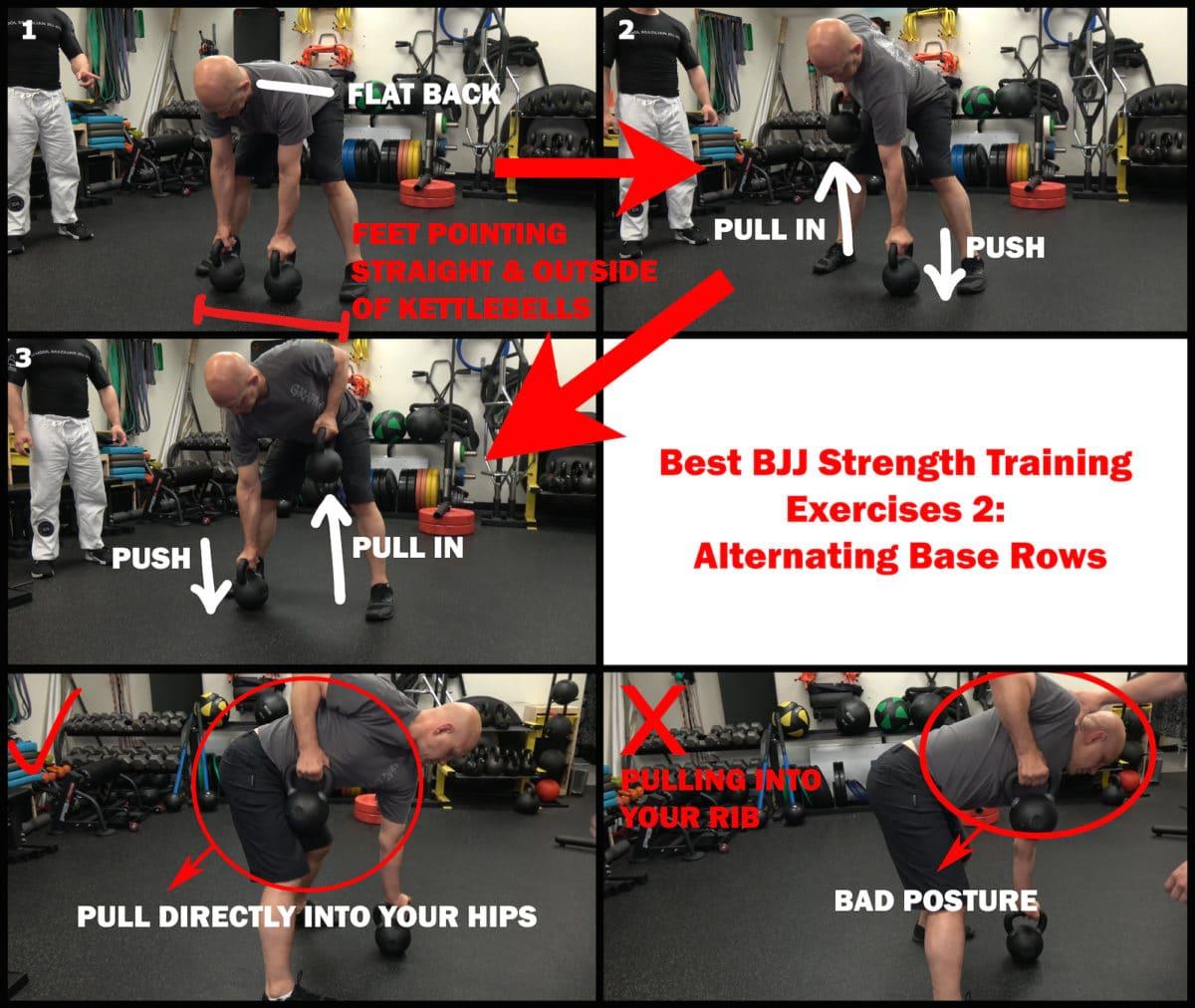
Jiu-Jitsu is a martial art that combines physical skill, mental strategy, and effective conditioning, making it a popular choice for individuals at various skill levels. Whether you are a novice stepping onto the mat for the first time or an experienced practitioner looking to refine your technique, an effective workout routine is essential to developing your abilities and enhancing overall performance. In this article, we will explore a range of Jiu-Jitsu workouts tailored to meet the needs of practitioners from different backgrounds and experience levels. By examining various training methods, drills, and conditioning exercises, we aim to provide readers with a comprehensive guide that promotes skill progression, physical fitness, and the enjoyment of this dynamic martial art.
Table of Contents
- Understanding the Fundamentals of Jiu-Jitsu Workouts
- Incorporating Drills for Skill Development and Conditioning
- Adapting Training Regimens for Different Skill Levels
- Evaluating Progress and Setting Goals in Jiu-Jitsu Training
- Closing Remarks
Understanding the Fundamentals of Jiu-Jitsu Workouts
To maximize your progress in Jiu-Jitsu, understanding the principles of effective workouts is crucial, regardless of your skill level. A well-rounded program should encompass strength training, flexibility, and conditioning, as these elements are vital for both performance enhancement and injury prevention. Key focus areas include:
- Strength Training: Engaging in exercises that build core stability and functional strength can greatly improve your grappling techniques.
- Cardiovascular Conditioning: Activities such as running, swimming, or cycling help increase endurance, allowing you to maintain high performance during sparring sessions.
- Flexibility and Mobility: Implementing dynamic stretches and yoga can enhance your range of motion, which is essential for effective movement and technique execution on the mat.
For beginners, workouts should be structured to gradually build proficiency while preventing burnout. Experienced practitioners can incorporate more complex variations into their routines. Below is a comparison of foundational workouts for different skill levels:
| Skill Level | Workout Focus | Example Exercises |
|---|---|---|
| Beginner | Basic strength and conditioning | Bodyweight squats, plank holds, jogging |
| Intermediate | Technique enhancement and endurance | Deadlifts, interval sprints, yoga |
| Advanced | Agility and power | Olympic lifts, agility drills, partner drills |
Incorporating Drills for Skill Development and Conditioning
Drills are essential for reinforcing techniques and improving both skill and physical conditioning in Jiu-Jitsu practitioners. Incorporating structured drills into your regular training regimen can sharpen your grappling abilities while enhancing your cardiovascular fitness and overall body control. Consider implementing the following types of drills to maximize your training sessions:
- Flow Drills: These promote fluid transitions between techniques, allowing students to practice movements without resistance.
- Specific Position Drills: Focus on a particular position, such as guard or mount, to develop proficiency and understanding of the associated techniques.
- Conditioning Drills: Integrate exercises like bear crawls or shrimping to improve endurance and flexibility while mimicking movements used in sparring.
To optimize the benefits of these drills, it’s helpful to schedule them according to your skill level. This can ensure that each practitioner receives relevant training aligned with their progress. Below is a simple guideline for structuring your drill sessions:
| Skill Level | Suggested Drill Duration | Focus Areas |
|---|---|---|
| Beginner | 15-20 minutes | Basic movements & fundamentals |
| Intermediate | 20-30 minutes | Specific position adjustments & counters |
| Advanced | 30-40 minutes | Complex combinations & live sparring |
Adapting Training Regimens for Different Skill Levels
When designing training regimens for Jiu-Jitsu practitioners, it’s essential to recognize that individuals at varying skill levels require tailored approaches to maximize their growth. For beginners, workouts should focus on establishing a solid foundation with basic techniques and conditioning. This includes:
- Fundamental drills that emphasize guard positions, escapes, and basic submissions.
- Strength and flexibility exercises to enhance overall physical capability.
- Introduction to sparring under controlled environments to build confidence.
As practitioners progress to intermediate and advanced levels, training regimens can expand to incorporate more complex strategies and intense physical conditioning. Intermediate students might benefit from:
- Situational sparring to refine decision-making skills under pressure.
- Specialized technique sessions that focus on specific submissions or defenses.
- Building endurance with more rigorous cardio workouts.
Advanced practitioners should continually challenge their skill sets with:
- High-intensity interval training (HIIT) to improve explosive power and stamina.
- Mastery of advanced techniques through detailed breakdowns and repetitions.
- Competition simulation to prepare both mentally and physically for actual matches.
Evaluating Progress and Setting Goals in Jiu-Jitsu Training
In the journey of mastering Jiu-Jitsu, evaluating your progress is essential to ensure continual improvement and maintain motivation. Regular self-assessment helps identify strengths, weaknesses, and areas needing more focus. Key methods of evaluation include:
- Rolling Sessions: Regularly sparring with various partners can provide insight into your effectiveness in applying techniques under pressure.
- Drill Reviews: Assessing the efficiency and precision of techniques practiced during drilling sessions can highlight areas for refinement.
- Feedback from Coaches: A valuable resource, receiving constructive criticism from instructors fosters a guided development pathway.
Setting specific, measurable goals plays a critical role in advancing your skills and staying engaged in your training. Thoughtfully considered goals can drive progress and provide a clear focus. Consider the following goal-setting strategies:
- Short-Term Goals: These could include mastering a specific technique or improving rolling stamina over a month.
- Long-Term Goals: Aim for milestones such as earning a new belt rank or participating in competitions within a year.
- Progress Tracking: Utilize a journal or app to document training sessions, techniques learned, and performance in sparring to visualize your growth.
Closing Remarks
effective Jiu-Jitsu workouts can be tailored to accommodate practitioners of all skill levels, from beginners to advanced grapplers. By incorporating a variety of techniques, drills, and conditioning exercises, individuals can enhance their technical proficiency while also improving their physical fitness. It is essential to recognize the importance of consistency, proper instruction, and a supportive training environment in fostering growth within the sport. Ultimately, a well-rounded Jiu-Jitsu workout not only develops specific skills but also promotes overall well-being, making it a valuable practice for anyone interested in martial arts.