


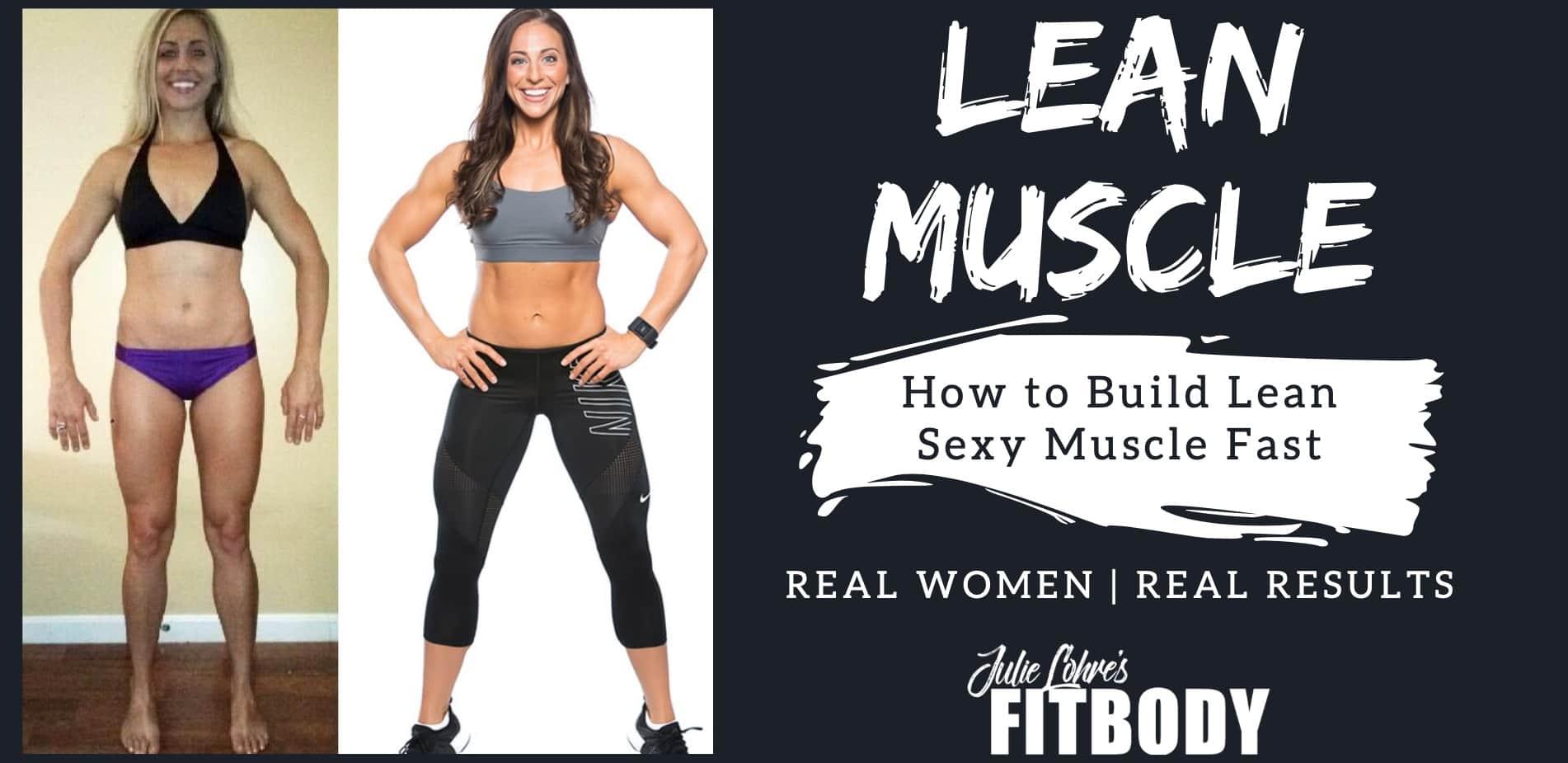
In a world where fitness trends oscillate between extremes, the pursuit of muscle has often been painted in broad strokes of size and bulk. Yet, there exists an art form that champions strength without the overwhelming mass—an elegant balance that prioritizes function over mere appearance. Welcome to the realm of building lean muscle, where every rep and set is meticulously crafted to sculpt not just the body, but also the soul of athleticism. This article will explore the principles and practices that form the backbone of lean muscle development, offering insights into nutrition, training methods, and the mindset needed to achieve a physique that is powerful, yet agile. Join us as we delve into the intricacies of strength, uncovering how one can thrive not by adding pounds but by refining their body into a masterpiece of efficiency and stamina.
Table of Contents
- Understanding Lean Muscle: The Science Behind Strength without Mass
- Nutrition Essentials: Fueling Your Body for Lean Muscle Growth
- Effective Training Methods: Tailoring Your Workout for Efficiency and Precision
- Recovery and Sustainability: The Key to Long-Lasting Lean Muscle Development
- In Conclusion
Understanding Lean Muscle: The Science Behind Strength without Mass
To grasp the concept of building strength without excessive mass, it’s crucial to understand how lean muscle operates at a physiological level. Lean muscle is essentially composed of muscle fibers that are denser and more efficient, allowing for greater strength relative to their size. This type of muscle development primarily results from specific types of resistance training that emphasize higher repetition ranges, moderate weights, and short rest periods, which promote muscle endurance without significantly increasing bulk. Factors such as genetics, diet, and overall training regimen also greatly influence how muscle is developed and maintained.
An effective approach to building lean muscle can be encapsulated in a few key principles, including:
- Focus on Compound Movements: Exercises like squats, deadlifts, and bench presses utilize multiple muscle groups, promoting overall strength and muscle efficiency.
- Incorporate Interval Training: High-intensity interval training (HIIT) helps burn fat while preserving muscle, enhancing performance.
- Nutrient Timing: Consuming a balanced intake of protein and carbohydrates post-workout aids in recovery and muscle retention.
Integrating these principles can lead to remarkable results. Below is a simple summary of an ideal weekly training schedule aimed at fostering lean muscle development:
| Day | Focus |
|---|---|
| Monday | Upper Body Strength |
| Tuesday | Cardio & Core |
| Wednesday | Lower Body Strength |
| Thursday | Active Recovery |
| Friday | Full Body HIIT |
| Saturday | Flexibility & Mobility |
| Sunday | Rest |
Nutrition Essentials: Fueling Your Body for Lean Muscle Growth
To embark on your muscle-building journey, a well-rounded diet is crucial. Prioritize lean protein sources that support muscle repair and growth. Consider incorporating the following into your meals:
- Chicken breast and turkey
- Fish, particularly salmon and tuna
- Eggs, which are rich in protein and healthy fats
- Plant-based options like lentils, chickpeas, and quinoa
In addition to protein, the role of healthy fats and complex carbohydrates cannot be overlooked. Consuming adequate carbohydrates will replenish your glycogen stores, ensuring that you have the energy required for high-intensity workouts. A few great sources include:
- Whole grains such as brown rice and oatmeal
- Fruits like bananas and berries
- Vegetables, especially leafy greens
- Nuts and seeds for healthy fats and additional protein
To further emphasize the importance of hydration, remember to keep your body well-hydrated. Water aids in digestion and nutrient absorption, both vital for muscle recovery. Aim for at least 2-3 liters of water daily, adjusting based on your activity level.
Effective Training Methods: Tailoring Your Workout for Efficiency and Precision
The key to unlocking your body’s potential lies in the training methods you choose. To cultivate lean muscle efficiently, focus on compound movements that engage multiple muscle groups. Incorporating exercises such as squats, deadlifts, and pull-ups not only maximizes the efficiency of your workouts but also promotes a functional physique. Additionally, consider the principles of progressive overload. Gradually increase the weight, intensity, or volume of your workouts to challenge your muscles, allowing them to adapt and grow stronger without unnecessary bulk.
Don’t underestimate the power of variability in your training program. By integrating different training techniques like supersets, circuit training, or high-intensity interval training (HIIT), you can keep your muscles guessing and reduce the chance of plateaus. It’s also essential to incorporate proper recovery strategies, which can include rest days and activities such as yoga or foam rolling. Enhancing flexibility and mobility contributes to overall strength and helps maintain your desirable aesthetic. Below is a quick guide to combine these principles effectively:
| Training Method | Benefits | Recommended Exercises |
|---|---|---|
| Compound Movements | Engages multiple muscle groups | Squats, Deadlifts, Bench Press |
| Progressive Overload | Stimulates muscle growth | Increase weight or reps weekly |
| HIIT & Circuit Training | Boosts metabolism and endurance | Burpees, Kettlebell Swings, Jump Rope |
Recovery and Sustainability: The Key to Long-Lasting Lean Muscle Development
True development of lean muscle hinges not only on vigorous workouts but also on the essence of recovery. When you push your limits during strength training, micro-tears occur in the muscle fibers. It’s during the recovery process that these fibers repair and grow stronger. To optimize this cycle, submerge yourself in a routine that includes adequate sleep, nutrition, and active recovery techniques. Incorporating rest days into your training regime allows muscles to recover and minimizes the risk of overtraining, which can lead to injuries and setbacks. Remember, balance is essential; a well-rested body responds better to workouts and builds muscle more effectively.
Sustainability is equally crucial in your endeavor to develop long-lasting lean muscle. A consistent approach to nutrition and exercise creates a foundation that promotes growth without the bulk. Focus on a diet rich in lean proteins, healthy fats, and complex carbohydrates, ensuring your body receives the necessary nutrients for muscle repair and energy. Here are some principles to keep in mind for sustainable muscle development:
- Hydration: Maintain optimal hydration levels for better performance and recovery.
- Variety: Incorporate a mix of strength training, flexibility, and aerobic exercises to challenge your body.
- Consistency: Stick to your routine, but also listen to your body and modify it as needed.
In Conclusion
the journey of building lean muscle is both an art and a science, offering a harmonious blend of strength and agility without the weight of excess bulk. By embracing principles like mindful nutrition, targeted training, and recovery, you can craft a physique that embodies both function and form. This path not only enhances your physical capabilities but also instills a sense of empowerment and confidence.
As you embark on your own quest for lean muscle, remember that it’s not merely about the numbers on the scale or the size of your muscles, but about cultivating a body that moves freely and feels strong. Celebrate each small victory, stay curious, and adapt your approach as your body evolves. The pursuit of lean muscle is a lifelong journey, one that rewards dedication and patience with strength that is as lean as it is powerful. So, let this be the first step in your exploration of a stronger, leaner you. Embrace the art and enjoy the process; your masterpiece awaits.