


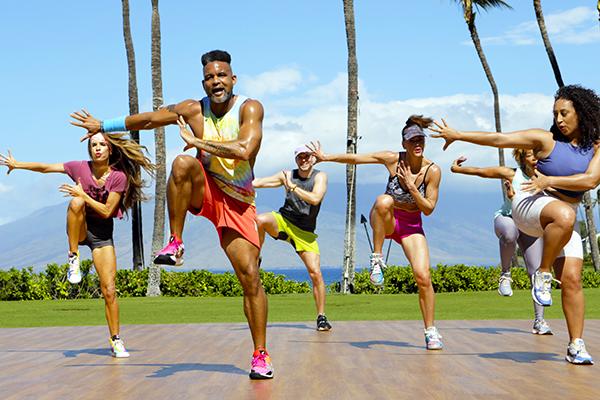
Dance workouts have gained significant popularity in recent years as a dynamic and engaging form of exercise that combines physical fitness with the joy of movement. This article aims to explore the various benefits associated with dance workouts, including their impact on physical health, mental well-being, and social interaction. Additionally, we will delve into the diverse range of dance workout styles available, each offering unique features and advantages to cater to different preferences and fitness levels. By examining these factors, we hope to provide a comprehensive understanding of why dance workouts have become a favored choice for individuals seeking an enjoyable and effective approach to fitness.
Table of Contents
- Understanding the Physical and Mental Benefits of Dance Workouts
- Examining Different Styles of Dance Workouts for Varied Fitness Goals
- Choosing the Right Dance Workout for Your Personal Preferences
- Incorporating Dance Workouts into Your Fitness Routine for Optimal Results
- To Conclude
Understanding the Physical and Mental Benefits of Dance Workouts
Engaging in dance workouts offers a comprehensive approach to enhancing both physical and mental well-being. From an physical perspective, these workouts improve cardiovascular health, increase flexibility, and build muscle strength. The rhythmic nature of dance requires constant movement and coordination, which can lead to significant calorie burning and aid in weight management. Regular participation in dance routines can also enhance balance and coordination, helping to reduce the risk of injuries over time. Moreover, due to its full-body engagement, dance workouts can contribute to better posture and overall body alignment.
On the mental side, dance workouts serve as a powerful tool for stress relief and emotional release. They encourage the release of endorphins, often referred to as the body’s natural mood lifters, which can alleviate feelings of anxiety and depression. Engaging in creative movement allows individuals to express their emotions and connect with their inner selves, fostering a sense of empowerment and self-confidence. Additionally, the social aspect of dance, whether as part of a group class or in a partner setting, can lead to increased feelings of connection and community, further enhancing mental health.
Examining Different Styles of Dance Workouts for Varied Fitness Goals
When it comes to dance workouts, there’s a rich tapestry of styles offering numerous benefits tailored to specific fitness goals. Whether you’re looking to enhance your cardiovascular health, improve flexibility, or build strength, there’s a dance genre that aligns with your objectives. For instance, Zumba combines Latin-inspired dance rhythms with aerobic movements, making it an excellent choice for calorie burning and improving endurance. On the other hand, Ballet-inspired workouts focus on posture and core strength, ideal for those seeking to tone and sculpt their bodies while enhancing flexibility.
For individuals seeking a low-impact option, Contemporary dance is an engaging workout that blends various styles and emphasizes expression, promoting mental well-being alongside physical fitness. In contrast, Hip-Hop dance offers a high-energy environment, perfect for those looking to increase their heart rate while having fun. Furthermore, group classes in these styles can create a sense of community that fosters motivation and accountability. Here’s a brief overview of dance styles and their associated fitness benefits:
| Dance Style | Primary Benefits |
|---|---|
| Zumba | Cardio fitness, calorie burning |
| Ballet | Flexibility, strength, posture |
| Contemporary | Mental well-being, flexibility |
| Hip-Hop | Cardio, coordination, endurance |
Choosing the Right Dance Workout for Your Personal Preferences
When selecting a dance workout that aligns with your personal preferences, it’s essential to consider your unique interests and goals. Different styles offer various benefits, making it easier to find one that resonates with you. For instance, if you enjoy the rhythm of Latin music, Salsa or Zumba may be an excellent fit, combining energetic movements with social interaction. On the other hand, if you prefer something that emphasizes grace and flexibility, Ballet or Contemporary might be more appealing. Evaluate the atmosphere of the workout environment, whether you opt for a lively group class or a tranquil solo practice at home.
To further guide your decision, consider these factors that contribute to your overall dance experience:
- Music Preference: Choose a workout that features genres you enjoy.
- Intensity Level: Determine if you want a high-energy class or something more low-key.
- Class Structure: Decide between structured classes with choreography or freestyle sessions.
- Social Aspect: Think about whether you want to dance alone or in a group setting.
Below is a simple comparison table of popular dance workout styles to help you find your ideal match:
| Dance Style | Intensity | Focus | Recommended For |
|---|---|---|---|
| Salsa | High | Coordination | Social dancers |
| Zumba | Moderate to High | Cardio | Fitness enthusiasts |
| Ballet | Low to Moderate | Flexibility | Those seeking elegance |
| Hip Hop | High | Rhythm | Youthful dancers |
Incorporating Dance Workouts into Your Fitness Routine for Optimal Results
Incorporating dance workouts into your fitness routine can be an exhilarating way to enhance your physical health while having fun. Unlike traditional workouts, dance offers a unique blend of cardio, strength training, and flexibility that engages different muscle groups. By integrating dance into your regimen, you can experience improved coordination, increased endurance, and better cardiovascular health. Some popular forms include Zumba, Hip-Hop, and contemporary dance, each providing its own set of benefits. The energetic atmosphere can help boost motivation, keeping you committed to your fitness goals.
To maximize the benefits of dance workouts, consider varying your routine with different styles and intensities. This not only keeps your workouts interesting but also challenges your body in diverse ways. Here are some tips for a balanced approach:
- Mix It Up: Alternate between high-energy styles like Salsa and low-impact options like Ballet for muscle recovery.
- Set Goals: Focus on specific targets, such as increasing your endurance or mastering new dance moves.
- Schedule Regular Sessions: Aim for at least three dance workouts per week to maintain progress.
| Dance Style | Intensity Level | Duration Recommendation |
|---|---|---|
| Zumba | High | 45-60 minutes |
| Ballet | Low-Medium | 30-45 minutes |
| Hip-Hop | High | 60 minutes |
Moreover, incorporating dance movements into warm-ups and cool-downs can further enhance flexibility and reduce the risk of injury. Activities like gentle stretching and freestyle dancing can set the tone for an effective workout while promoting relaxation. By dedicating time to various dance styles and ensuring a holistic approach, you not only optimize your results but also cultivate a deeper appreciation for movement as a form of expression.
To Conclude
dance workouts offer a diverse range of benefits that extend beyond physical fitness. They not only enhance cardiovascular health, flexibility, and strength but also foster mental well-being through their engaging and expressive nature. With various styles available, from Zumba and hip-hop to ballet-inspired routines, individuals can choose types that resonate with their personal preferences and goals, thereby increasing adherence to regular exercise. As the popularity of dance workouts continues to grow, they provide an accessible and enjoyable alternative to traditional exercise regimens, making fitness more approachable for individuals of all skill levels. By incorporating dance into their routines, individuals can achieve a holistic sense of health that encompasses physical, mental, and emotional wellness.