


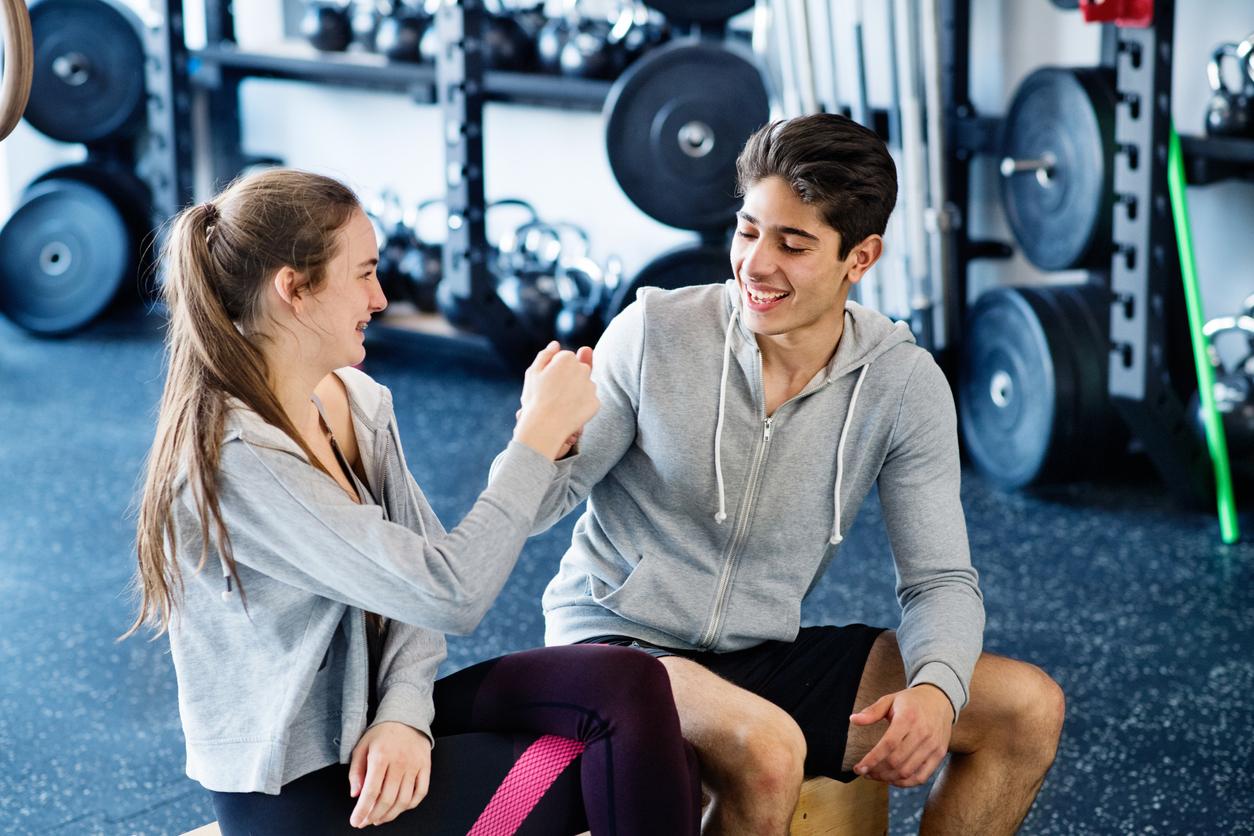
In a world where screens often dominate our daily lives, the quest for health and wellness can feel like a daunting challenge for today’s youth. As teenagers navigate the complexities of adolescence, the importance of physical fitness becomes paramount—not just for their bodies, but for their minds and spirits as well. “” offers a fresh approach to fitness that transcends traditional exercise routines, aiming to inspire young individuals to embrace a healthier lifestyle. This article will explore how a multifaceted training program can cultivate not only physical strength and endurance but also resilience, confidence, and community. Join us as we unlock the potential of fitness to empower the next generation, equipping them with the tools they need to thrive both in and out of the gym.
Table of Contents
- Empowering Body and Mind: The Holistic Approach to Teen Fitness
- Building Strength and Resilience: Essential Workout Components for Teens
- Nutrition Matters: Fueling Young Athletes for Success
- Cultivating Lifelong Habits: The Role of Motivation and Support in Fitness Training
- Closing Remarks
Empowering Body and Mind: The Holistic Approach to Teen Fitness
The journey towards fitness for teenagers goes beyond physical training; it encompasses a holistic approach that nurtures body and mind. By integrating various elements, we can create a well-rounded program that promotes overall well-being. This method emphasizes nutritional education, mental resilience, and social connection, allowing teens to thrive not just in sports, but in their everyday lives. Incorporating practices like mindfulness and yoga can also serve to enhance focus and reduce stress, essential during the hectic years of adolescence. Furthermore, incorporating team sports or group activities can foster essential social skills and establish a sense of community, ensuring that teenagers enjoy their journey to fitness.
In addition to physical and mental exercises, proper nutrition plays a pivotal role in empowering young individuals. A balanced diet rich in vitamins, minerals, and macronutrients contributes significantly to their energy levels and overall performance.
- Whole grains: Support sustained energy.
- Lean proteins: Essential for muscle repair and growth.
- Fruits and vegetables: Packed with antioxidants and hydration.
- Healthy fats: Vital for brain health and hormone regulation.
By fostering a culture that values wellness as a lifestyle, we not only motivate teenagers to stay active but help them develop lifelong habits that contribute to their physical and emotional health.
Building Strength and Resilience: Essential Workout Components for Teens
Developing strength and resilience during the teenage years goes beyond lifting weights; it encompasses a holistic approach to fitness. Encouraging compound movements such as squats, deadlifts, and bench presses not only improves physical strength but also fosters mental determination. Integrating bodyweight exercises, like push-ups and pull-ups, can enhance functional strength, allowing teens to engage more effectively in various physical activities and sports. It’s essential for workouts to incorporate flexibility and balance training, such as yoga or pilates, which will help teens prevent injuries and improve their overall performance. These components work together, ensuring that young individuals build a resilient physique while cultivating a strong mindset.
Moreover, establishing a consistent cardiovascular routine is crucial for heart health and endurance. Activities such as running, cycling, or swimming can be adjusted to meet the individual levels of fitness and enthusiasm, ensuring that workouts remain engaging. A balanced program should also include rest and recovery periods, allowing the body to heal and grow stronger. By educating teens on the importance of proper nutrition, hydration, and sleep, they can optimize their fitness journey. The combination of these elements creates a comprehensive framework, empowering young individuals to achieve their goals and develop lasting habits that promote lifelong health.
| Component | Description |
|---|---|
| Strength Training | Incorporates exercises like squats and deadlifts to build muscle. |
| Cardio | Engages in activities like running and swimming for endurance. |
| Flexibility | Includes yoga or stretching to enhance range of motion. |
| Balance Training | Strengthens core stability through various dynamic exercises. |
| Rest & Recovery | Ensures muscle repair and growth through scheduled breaks. |
Nutrition Matters: Fueling Young Athletes for Success
To perform at their best, young athletes must prioritize nutrition as a cornerstone of their training regimen. Proper dietary choices not only enhance performance but also aid in recovery, growth, and overall well-being. In order to maximize their potential, they should focus on consuming:
- Whole Grains: Complex carbohydrates provide the energy needed for intense training and competitions.
- Lean Proteins: Essential for muscle repair and growth, protein sources should include chicken, fish, beans, and legumes.
- Fruits and Vegetables: Rich in vitamins, minerals, and antioxidants that help combat fatigue and promote health.
- Healthy Fats: Incorporating sources like avocados, nuts, and olive oil supports joint health and sustained energy.
Hydration is another vital aspect that cannot be overlooked. Young athletes should strive to maintain optimal fluid balance before, during, and after physical activity. Monitoring hydration can be particularly effective with the following guidelines:
| Activity Level | Hydration Recommendation |
|---|---|
| Light Activity | 8-10 ounces of water every hour |
| Moderate Activity | 10-16 ounces of water every hour |
| Intense Activity | 16-24 ounces of sports drink or water every hour |
By understanding and implementing these nutritional principles, young athletes can optimize their performance and set themselves up for success both on and off the field.
Cultivating Lifelong Habits: The Role of Motivation and Support in Fitness Training
In fostering lasting fitness habits, motivation acts as the driving force while support structures provide the essential scaffolding. Teens often face myriad challenges when establishing their exercise routines, including peer pressure and competing interests. Therefore, creating an environment rich in positive reinforcement is key. Here are some ways to build motivation:
- Goal Setting: Encourage teens to set realistic and achievable goals, fostering a sense of accomplishment.
- Variety in Activities: Introduce multiple forms of exercise to keep the routine fresh and engaging.
- Self-Reflection: Regular check-ins on personal progress can boost confidence and accountability.
Support from peers, family, and mentors can significantly enhance commitment to fitness. Having role models who exemplify healthy living serves as inspiration, while a supportive community can provide a sense of belonging. Consider implementing the following strategies to enhance support:
| Strategy | Description |
|---|---|
| Group Sessions | Create opportunities for teens to exercise together, reinforcing camaraderie. |
| Family Involvement | Encourage family members to join in activities, promoting a healthy lifestyle at home. |
| Mentorship Programs | Pair teens with mentors who can share their fitness journeys and provide guidance. |
Closing Remarks
the journey of empowering teens through a comprehensive fitness training program is not just about building strength or enhancing athletic skills; it’s about fostering a holistic sense of well-being that encompasses physical, mental, and emotional health. As we’ve explored, integrating structured fitness routines with nutritional guidance, mindfulness practices, and supportive community engagement cultivates a balanced lifestyle that can have lasting impacts well into adulthood. By encouraging teens to take ownership of their fitness journey, we prepare them not only to face the challenges of adolescence but also to thrive as resilient, confident individuals in the years to come. Let us inspire the next generation to embrace the transformative power of movement, creating a dynamic foundation for a healthier, happier life. The path to empowerment begins with one step – let’s guide our teens as they take it.