


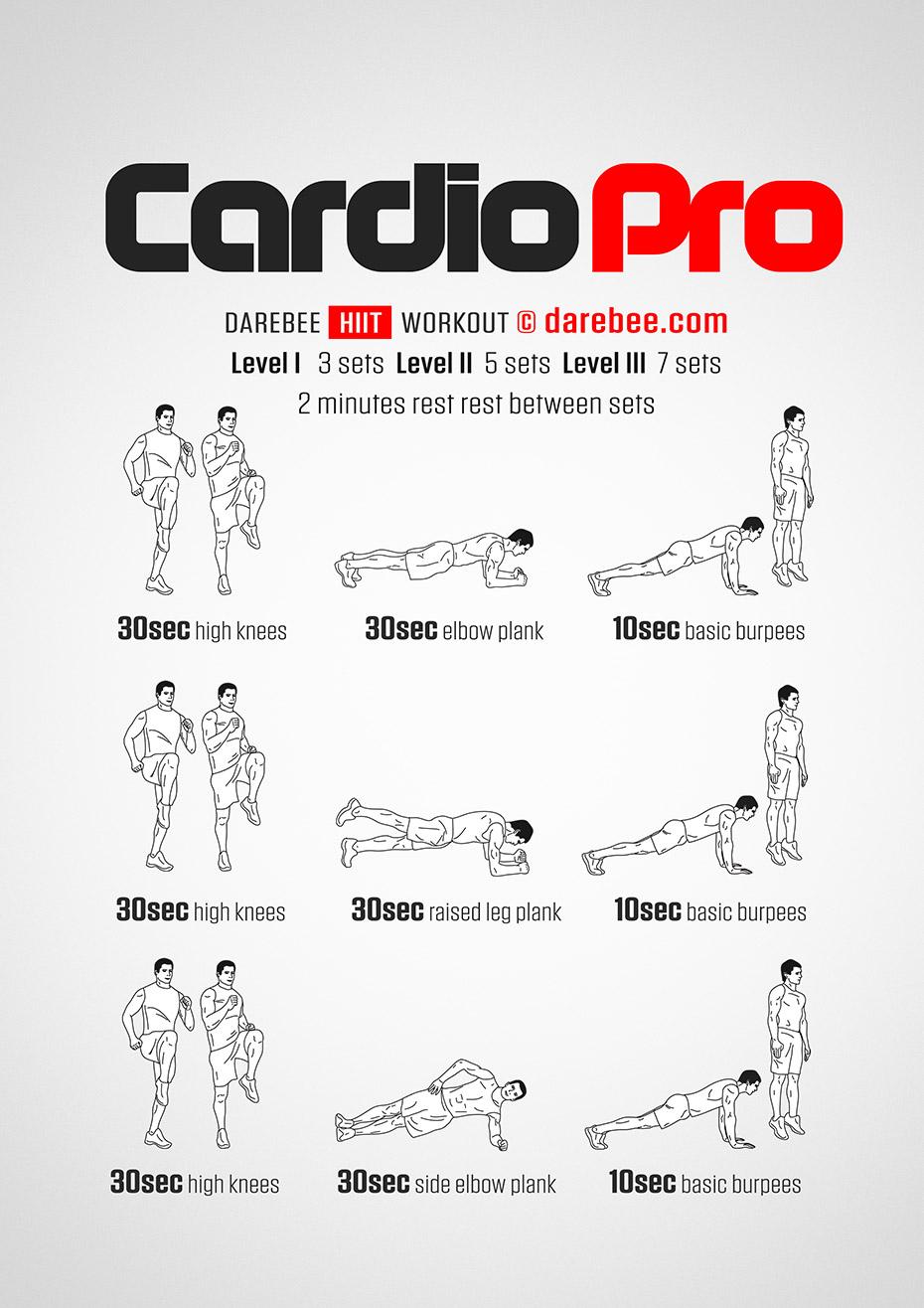
In an age where our fast-paced lives often prioritize convenience over health, the heart—a tireless organ working diligently behind the scenes—deserves our attention and care. As the command center of our circulatory system, it plays an essential role in maintaining vitality and well-being. Enter the world of cardiovascular fitness, where a well-structured cardio program can serve as the key to unlocking a healthier heart. In this article, we will explore the intricate relationship between heart health and physical activity, offering a comprehensive cardio program designed to elevate your well-being. From understanding the science behind cardiovascular exercise to practical tips on integrating these vital activities into your daily routine, prepare to embark on a journey that nurtures your heart and revitalizes your spirit. It’s time to lace up your sneakers and take your first steps toward a stronger, healthier you.
Table of Contents
- Understanding the Essentials of Cardiovascular Health
- Crafting Your Ideal Cardio Routine for Maximum Impact
- Nutrition Secrets to Support a Heart-Healthy Lifestyle
- Tracking Progress and Staying Motivated on Your Heart Health Journey
- Closing Remarks
Understanding the Essentials of Cardiovascular Health
Achieving optimal cardiovascular health involves a multifaceted approach that integrates various lifestyle choices and preventive measures. Key factors to consider include:
- Nutrition: A heart-healthy diet rich in fruits, vegetables, whole grains, and lean proteins can help maintain healthy cholesterol levels.
- Regular Exercise: Engaging in consistent physical activity strengthens the heart muscle and enhances circulation.
- Stress Management: Chronic stress can negatively impact heart health; practicing mindfulness and relaxation techniques can be beneficial.
- Avoiding Tobacco: Smoking significantly raises the risk of heart disease, making cessation programs essential for long-term health.
Monitoring key health metrics can provide valuable insights into your cardiovascular status. Regular check-ups with your healthcare provider can help keep track of:
| Metric | Ideal Range |
|---|---|
| Blood Pressure | 120/80 mmHg |
| Cholesterol Levels | Less than 200 mg/dL |
| Heart Rate | 60-100 bpm |
By understanding these essential elements, you can take proactive steps toward creating a resilient cardiovascular system that supports your overall health and vitality.
Crafting Your Ideal Cardio Routine for Maximum Impact
Designing a personalized cardio routine doesn’t have to be overwhelming. Start by identifying your fitness level and goals—whether you’re aiming for weight loss, endurance training, or heart health. A balanced approach can maximize benefits, so consider incorporating different types of cardio workouts. Here’s a simple outline to get you started:
- Steady-State Cardio: Activities like jogging or cycling at a consistent pace.
- Interval Training: Alternating high-intensity bursts with low-intensity recovery (e.g., sprinting for 30 seconds followed by a 2-minute walk).
- Cross-Training: Mixing cardio activities such as swimming, rowing, or kickboxing to keep things fresh and engaging.
To ensure your routine remains effective, track your progress and adjust as needed. A well-structured regimen often looks something like this:
| Days | Workout Type | Duration |
|---|---|---|
| Monday | Steady-State Cardio | 45 minutes |
| Wednesday | Interval Training | 30 minutes |
| Friday | Cross-Training | 60 minutes |
Remember, consistency is key. Aim for at least 150 minutes of moderate aerobic activity each week, and don’t hesitate to listen to your body, adjusting intensity and duration as necessary for optimal results.
Nutrition Secrets to Support a Heart-Healthy Lifestyle
Incorporating the right foods into your daily routine can significantly enhance cardiovascular health. Start by embracing a variety of fruits and vegetables, which are rich in vital nutrients, antioxidants, and fiber that help lower blood pressure and reduce the risk of heart disease. Key choices include:
- Leafy greens like spinach and kale, packed with vitamin K and antioxidants.
- Berries, which are high in fiber and beneficial compounds that improve heart health.
- Whole grains such as quinoa and oats that provide fiber and essential nutrients while helping to maintain a healthy weight.
Healthy fats are another cornerstone of a heart-healthy diet. Instead of saturated and trans fats, opt for sources of unsaturated fats which can support cholesterol levels and overall heart function. Good options include:
- Olive oil, known for its heart-protective properties.
- Avocados, rich in monounsaturated fats.
- Fatty fish like salmon and mackerel, packed with omega-3 fatty acids.
| Food | Cardiovascular Benefit |
|---|---|
| Blueberries | Improve arterial function |
| Walnuts | Reduce cholesterol levels |
| Chickpeas | Help lower blood pressure |
Tracking Progress and Staying Motivated on Your Heart Health Journey
Embarking on a heart health journey is akin to crafting a masterpiece, where each stroke of effort and dedication contributes to the final picture. One effective way to monitor your advancement is through tracking your workouts and nutritional intake. Consider maintaining a daily log, whether in a notebook or through a dedicated app, where you can note your physical activities, meals, and how you feel each day. This not only keeps you accountable but also allows you to identify patterns that contribute to your well-being. Highlighting your achievements, no matter how small, serves as a motivational boost, reminding you of how far you’ve come.
To further enhance your commitment, consider setting specific, measurable goals that resonate with your personal health aspirations. Here are some ways to maintain motivation:
- Join a community or support group to connect with others on a similar path.
- Reward yourself when you reach milestones; treats can range from new workout gear to a relaxing spa day.
- Visual reminders, like a vision board, can reinforce your motivation as you see your goals displayed.
Incorporating variety into your routine can also play a significant role in sustaining enthusiasm. You might want to explore different cardio activities, from cycling to swimming, to keep your regimen fresh and exciting. Tracking your heart rate and endurance through a simple chart can provide you with tangible evidence of your progress:
| Activity | Duration (minutes) | Average Heart Rate |
|---|---|---|
| Walking | 30 | 110 bpm |
| Running | 20 | 145 bpm |
| Cycling | 45 | 130 bpm |
Closing Remarks
As we draw the curtains on this exploration of cardiovascular health, it’s clear that the journey to a stronger heart is not just a destination but a lifelong commitment. By embracing a comprehensive cardio program, you are not only investing in your physical well-being but also enhancing your overall quality of life. Each step, each heartbeat, echoes the importance of nurturing this vital organ that tirelessly works for you every day.
Remember, the path to heart health is unique for everyone, so take the time to find what resonates with your body and lifestyle. Whether it’s a brisk walk in nature, a cycling adventure, or a spirited dance with friends, let movement be a celebration of life.
So, as you step forward, let your heart guide you toward healthier choices—one beat at a time. Here’s to a future filled with vigor, vitality, and the unwavering rhythm of good health. Your heart will thank you.