


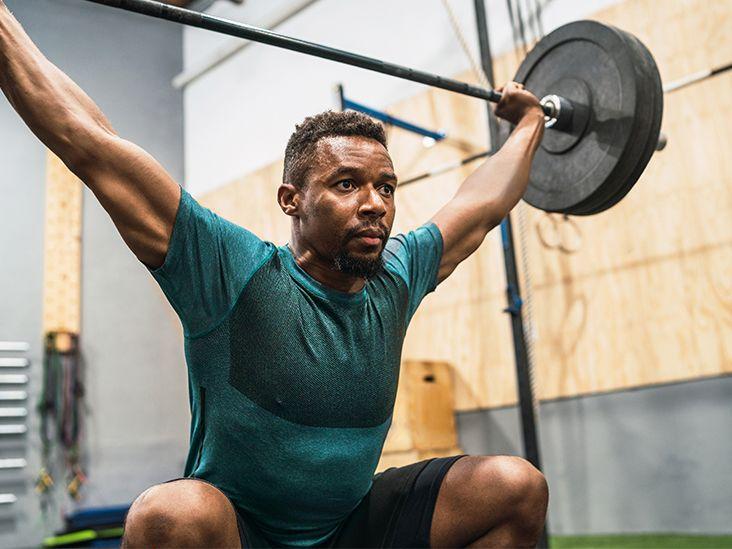
In the dynamic world of athletics, the pursuit of excellence transcends mere talent; it demands a strategic approach to training that is as unique as the athlete themselves. “” delves into the art and science of customized training programs designed to unlock an athlete’s full potential. Whether you’re a seasoned competitor seeking to enhance your performance or an aspiring athlete eager to carve your niche in the sporting arena, understanding the importance of individualized workouts can be the game-changer you need. This article invites you to explore innovative workout strategies, expert insights, and practical tips that will not only help you elevate your game but also empower you to embrace your personal athletic journey. Welcome to a new era of training where every rep, every set, and every moment spent in the gym is a step closer to achieving your goals.
Table of Contents
- Understanding Your Athletic Needs for Customized Training
- The Science Behind Tailored Workout Routines
- Incorporating Functional Movement for Enhanced Performance
- Meal Plans and Recovery Strategies for Optimal Results
- To Wrap It Up
Understanding Your Athletic Needs for Customized Training
To achieve optimal performance, it is crucial to evaluate your specific athletic requirements and goals. Each sport demands unique physical attributes, such as strength, speed, agility, endurance, and flexibility. Understanding what skills your sport emphasizes allows for the creation of a tailored training program that addresses your individual needs. Here are some key factors to consider when assessing your athletic profile:
- Sport-Specific Skills: Identify the core skills that your sport requires.
- Current Fitness Level: Assess your baseline fitness to understand areas for improvement.
- Injury History: Consider past injuries to include preventive measures in your training.
- Performance Goals: Set clear objectives to gauge progress and motivation.
Once you have a clear understanding of your needs, the next step is to develop a specialized routine that incorporates these elements. A well-rounded approach should include various training modalities to promote overall athleticism. This can be visualized in the following table:
| Training Focus | Example Exercises |
|---|---|
| Strength Training | Squats, Deadlifts, Bench Press |
| Speed Work | Sprints, Plyometrics |
| Agility Drills | Ladder Drills, Cone Drills |
| Endurance Training | Long Runs, Cycling |
| Flexibility Work | Dynamic Stretching, Yoga |
By focusing on these structured areas, you will not only enhance your skills but also maintain a balanced approach that promotes longevity in your athletic career. Collaborating with a knowledgeable coach or trainer can further enhance this process, ensuring that each component is seamlessly integrated into your personalized program.
The Science Behind Tailored Workout Routines
Understanding the principles behind tailored workout routines requires a dive into the physiology of the human body. Each athlete has unique genetic predispositions, physical capabilities, and specific goals, making a one-size-fits-all approach ineffective. Tailored routines leverage the concept of individualized training by analyzing various factors, including muscular endurance, agility, strength, and flexibility. By focusing on these elements, a customized workout can effectively target weaknesses, enhance strengths, and promote overall performance improvement. Key components in creating effective routines include:
- Assessment: Evaluating current fitness levels and specific athletic requirements.
- Goal Setting: Establishing clear, achievable targets tailored to the athlete’s sport.
- Variability: Incorporating diverse exercises to prevent plateaus and maintain engagement.
The integration of advanced technologies, such as fitness trackers and biomechanical feedback systems, has revolutionized the customization process. With real-time data, trainers can monitor athletes’ progress and adjust routines dynamically. This leads to systematic improvements in areas such as recovery times and muscular adaptations. Furthermore, understanding recovery principles is crucial, as it enables athletes to optimize their training schedules for maximal performance gains. The following table outlines key aspects of recovery strategies to complement tailored workout routines:
| Recovery Strategy | Benefit |
|---|---|
| Active Recovery | Reduces muscle soreness and improves blood flow. |
| Nutrition Timing | Enhances muscle repair and glycogen replenishment. |
| Sleep Optimization | Crucial for hormone regulation and physical restoration. |
Incorporating Functional Movement for Enhanced Performance
Functional movement training focuses on improving the natural patterns of motion that athletes use in their respective sports. Integrating this approach into your workout can significantly enhance overall performance by improving strength, flexibility, coordination, and balance. Instead of isolating muscle groups in traditional gym workouts, functional training emphasizes compound exercises that mimic real-life activities. By incorporating movements like squats, lunges, and kettlebell swings, athletes develop the foundational strength necessary for their sport while also enhancing their agility and reaction time.
Key benefits of incorporating functional movement include:
- Injury Prevention: Training the body to move as a cohesive unit reduces the risk of injury during sports.
- Improved Sports Performance: Specific exercises that replicate sport-related actions lead to better outcomes on the field or court.
- Enhanced Mobility: Greater flexibility and joint stability support faster adaptations to various in-game movements.
To systematically incorporate functional movements into your routine, consider utilizing the following exercise table:
| Exercise | Focus Area | Suggested Sets |
|---|---|---|
| Medicine Ball Throws | Core Strength & Power | 3 sets of 10 reps |
| TRX Row | Upper Body Stability | 3 sets of 12 reps |
| Single-Leg Deadlift | Balance & Hamstring Strength | 3 sets of 8 reps per leg |
Meal Plans and Recovery Strategies for Optimal Results
For athletes aiming to maximize their performance, the synergy between meal plans and recovery strategies is essential. Proper nutrition fuels the body’s energy needs, ensuring optimal physical output during workouts and competitions. A well-structured meal plan should focus on:
- Macronutrient Balance: Incorporate a mix of carbohydrates, proteins, and healthy fats.
- Hydration: Maintain fluid levels with water and electrolyte-rich beverages.
- Timing: Schedule meals and snacks around training sessions to maximize energy availability.
Equally important to nutrition is the implementation of effective recovery strategies that aid in muscle repair and performance longevity. Rest and rejuvenation can be enhanced through:
- Active Recovery: Engage in low-intensity activities that promote blood circulation without stressing the body.
- Stretching and Mobility: Incorporate flexibility exercises to prevent injury and improve range of motion.
- Quality Sleep: Prioritize rest, aiming for 7 to 9 hours of sleep per night to allow for muscle recovery and cognitive function.
| Recovery Technique | Benefits |
|---|---|
| Foam Rolling | Reduces muscle soreness and increases blood flow. |
| Cold Therapy | Minimizes inflammation and speeds up recovery time. |
| Massage Therapy | Relieves tension and enhances relaxation. |
To Wrap It Up
As we conclude our exploration of tailored workout routines for athletes, it’s clear that the path to peak performance is not one-size-fits-all. Every athlete, whether you’re sprinting on a track, lifting in a gym, or dancing on a stage, has unique needs and goals that can be met through personalized training plans. By understanding your body, incorporating varied techniques, and remaining adaptable in your approach, you elevate not just your game, but your entire athletic journey.
Just as a musician crafts each note for a perfect melody, so too can you curate your fitness regimen to harmonize with your strengths and areas for growth. Remember, effective training extends beyond mere physical exertion; it includes mental conditioning, nutrition, recovery, and above all, a passion for the sport.
So, embark on this quest of self-discovery and commitment, and watch as your skills develop and your confidence soars. With the right tools and strategies, you’re not just participating; you’re thriving. It’s time to elevate your game and unlock the true potential that lies within you. The field, the court, the stage—wherever your passion leads you, make every moment count. Keep training, keep pushing, and keep believing. The best version of yourself is waiting to be unleashed.