


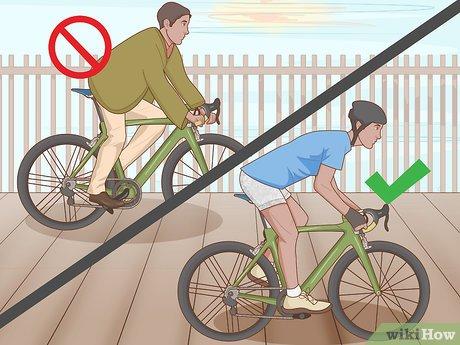
In a world where fitness trends come and go like the changing seasons, one timeless activity stands out as a transformative force for both body and mind: cycling. With the wind in your hair and the open road stretching out before you, cycling offers more than just a thrilling adventure—it presents a sustainable path to effective weight loss. Whether you’re navigating scenic trails, commuting through city streets, or spinning indoors, this rhythmic, low-impact workout is not only accessible to people of all fitness levels but also invigoratingly liberating. In this article, we’ll explore how pedaling your way through life can redefine your approach to fitness, helping you shed pounds while embracing the joy of movement. Join us as we delve into the countless benefits of cycling, uncovering actionable tips and insights to keep you motivated on your journey towards a healthier you.
Table of Contents
- Exploring the Weight Loss Benefits of Cycling
- Choosing the Right Bicycle for Your Fitness Journey
- Designing a Sustainable Cycling Routine
- Nutrition and Hydration: Fueling Your Cycling Success
- Final Thoughts
Exploring the Weight Loss Benefits of Cycling
Cycling is not just a mode of transportation; it’s a dynamic form of exercise that can significantly contribute to weight loss. As a low-impact activity, it allows individuals of all fitness levels to reap the rewards without placing excessive strain on their joints. When you hop on your bike, you’re engaging multiple muscle groups such as your quadriceps, hamstrings, and calves, all of which work harmoniously to burn calories efficiently. This calorie-burning potential increases with the intensity and duration of your rides, making it easy to tailor your cycling sessions to match your weight loss goals. Enhancing your cardiovascular fitness, cycling also leads to improved metabolism, meaning your body continues to burn calories even after your workout ends.
To maximize weight loss benefits, consider integrating cycling into a well-rounded fitness routine. Here are some effective strategies:
- Interval Training: Alternate between high-intensity cycling and moderate-paced recovery periods to boost calorie burn.
- Long Rides: Set aside time for longer leisurely rides to enhance fat oxidation, particularly when done at a moderate pace.
- Hill Climbing: Incorporate hilly terrains or increased resistance to further challenge your muscles and elevate your heart rate.
Additionally, harmonizing your cycling routine with a balanced diet can help ensure you’re not just burning calories but also nourishing your body effectively. Below is a simple view of calories burned while cycling, depending on the intensity:
| Cycling Intensity | Calories Burned per Hour |
|---|---|
| Leisurely (10-12 mph) | 300-400 |
| Moderate (12-14 mph) | 400-500 |
| Vigorous (14-16 mph) | 500-700 |
Choosing the Right Bicycle for Your Fitness Journey
When it comes to embracing cycling as part of your fitness routine, selecting the right bicycle is essential to maintaining motivation and comfort on your journey. With various types of bikes available, you’ll want to consider your specific fitness goals, riding terrain, and personal preferences. Here are some key factors to take into account when choosing your perfect ride:
- Bike Type: Decide between a road bike, mountain bike, hybrid, or a cruiser based on where and how you’ll ride.
- Frame Size: Ensure the frame fits your height and body type to prevent discomfort and injury.
- Features: Look for essential features like gears, suspension, and wheel size that align with your cycling needs.
- Budget: Set a realistic budget, considering both the initial cost and ongoing maintenance expenses.
Once you’ve narrowed down your options, it’s crucial to test ride a few models. Comfort and control are key; if a bike feels off, it will detract from your workout experience. Keep in mind the following essential accessories to enhance your cycling experience:
| Accessory | Purpose |
|---|---|
| Helmet | Safety is paramount while cycling. |
| Lights | Improve visibility during low-light conditions. |
| Water Bottle | Stay hydrated during your rides. |
| Padded Shorts | Enhance comfort during long distances. |
Designing a Sustainable Cycling Routine
Creating a cycling routine that is both effective and sustainable involves a few key components. First, establish a consistent schedule that fits your lifestyle while allowing you to gradually build endurance. Aim for 3 to 5 cycling sessions per week, incorporating both short, intense rides and longer, moderate-paced journeys. Varying your routes can also maintain excitement and challenge, turning familiar paths into adventures and ensuring you stay motivated in the long run. Consider joining a local cycling club to benefit from community support and inspiration.
Secondly, monitor your progress and adjust your goals as needed. Keeping track of your rides will help you see improvements in your physical stamina and overall fitness. Utilize apps or cycling computers to record distance, speed, and elevation changes. This data can be invaluable in helping you stay focused. Here’s a simple table to illustrate how you can log your weekly cycling activities:
| Day | Duration | Distance (miles) | Intensity Level |
|---|---|---|---|
| Monday | 45 mins | 12 | Moderate |
| Wednesday | 30 mins | 8 | High |
| Friday | 60 mins | 15 | Easy |
| Sunday | 90 mins | 20 | Moderate |
Nutrition and Hydration: Fueling Your Cycling Success
For cyclists aiming to shed pounds while boosting endurance, nutrition and hydration are paramount. Date nights and indulgent meals are tempting, but fueling your body with the right nutrients can make all the difference. Focus on a balanced diet rich in whole foods, such as:
- Fruits and vegetables – Pack in vitamins, minerals, and antioxidants.
- Whole grains – A slow-burning energy source to keep you pedaling longer.
- Lean proteins – Support muscle repair and growth post-ride.
- Healthy fats – Nuts, seeds, and avocados for sustained energy.
Hydration is equally crucial, as even mild dehydration can lead to decreased performance and sluggishness. Aim to drink water before, during, and after your rides. Consider carrying a water bottle filled with an electrolyte drink for longer outings. Here’s a handy table to guide you on hydration strategies:
| Activity Duration | Hydration Approach |
|---|---|
| Less than 1 hour | Water only |
| 1 – 2 hours | Water + Electrolytes |
| More than 2 hours | Electrolyte Drink + Water |
Final Thoughts
As you glide through the winding paths of your fitness journey, remember that cycling isn’t just about burning calories; it’s about embracing a lifestyle that champions movement, joy, and freedom. Each pedal stroke is a step toward not only shedding pounds but also building stamina and resilience. Whether you opt for a leisurely ride through your neighborhood or tackle challenging mountain trails, the key is to find joy in the rhythm of your ride.
So, as you set your sights on your weight loss goals, don’t forget to savor the journey. With every mile, you are not just transforming your body, but also enriching your mind and spirit. The world is your playground, and your bike is your companion. Pedal on, explore new horizons, and let the road to fitness be as exciting as the destination itself. After all, the best part about cycling is that it’s not just a means to an end; it’s an adventure waiting to unfold. Happy cycling!