


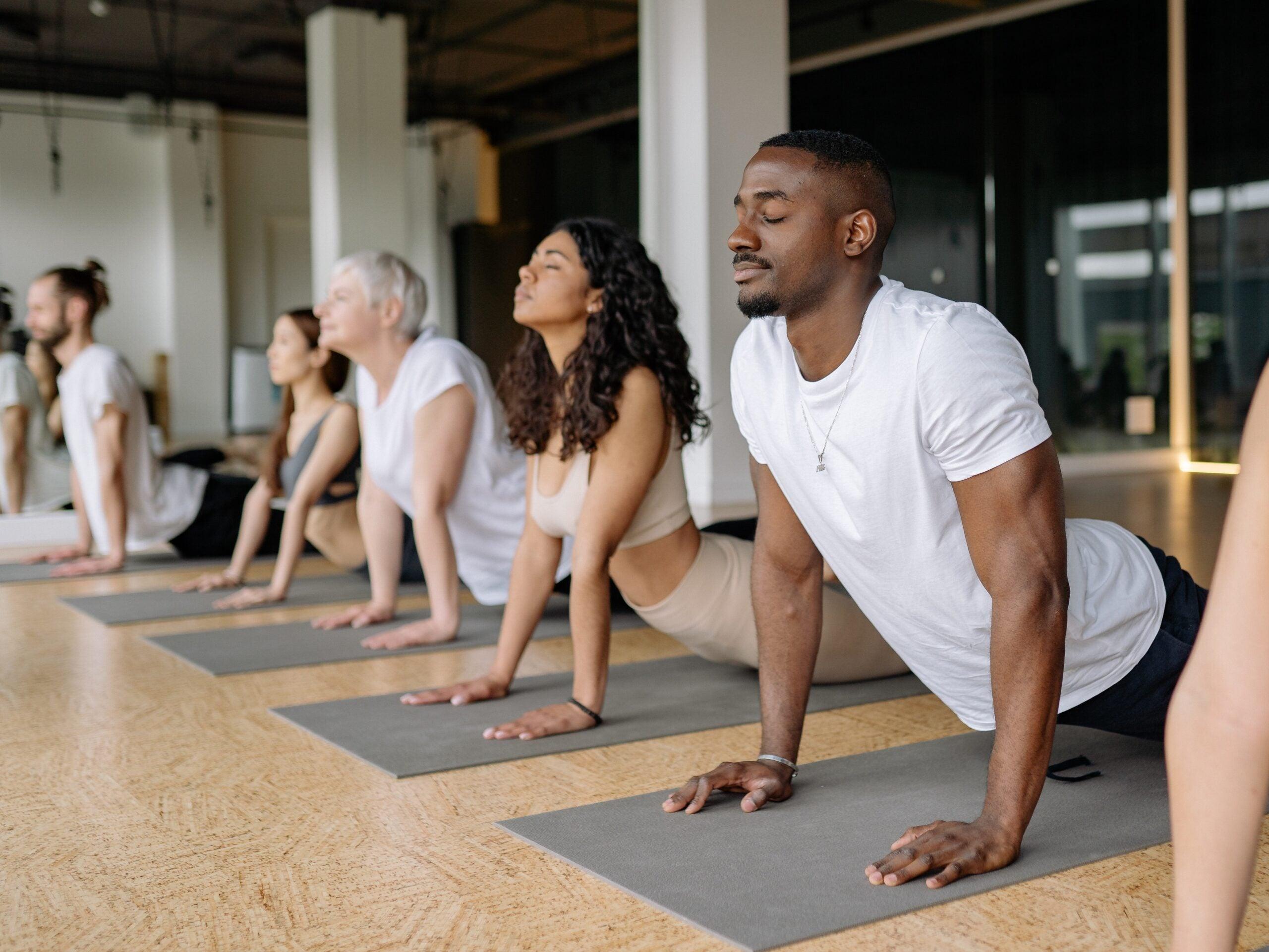
In a world that often feels fast-paced and demanding, the search for balance has become a vital pursuit for many. Amidst the hustle and bustle of daily life, an ancient practice beckons: yoga. Far beyond mere postures and physical flexibility, yoga offers a profound pathway to harmonize the mind and body, fostering a deeper connection to oneself. This article delves into the holistic benefits of yoga, exploring how its meditative movements and mindful breathing can cultivate resilience, reduce stress, and enhance overall well-being. As we uncover the transformative power of this age-old discipline, we invite you to embark on a journey towards balance—one breath, one pose, and one moment of mindfulness at a time.
Table of Contents
- Exploring the Mind-Body Connection Through Yoga Practices
- Enhancing Emotional Well-being: The Psychological Benefits of Regular Yoga
- Physical Strength and Flexibility: Building a Resilient Body with Yoga
- Incorporating Mindfulness: Practical Techniques for a Balanced Yoga Experience
- To Wrap It Up
Exploring the Mind-Body Connection Through Yoga Practices
Yoga is not merely a physical practice; it is a profound journey into the depths of our consciousness. Through mindful movements and breath work, practitioners can cultivate a stronger awareness of their bodies, ultimately creating a bridge that links the mental and physical aspects of being. The mind-body connection is fostered through various yoga techniques, encouraging participants to listen to their bodies and respond to their inner dialogues. As practitioners delve deeper into their practice, they may experience benefits such as:
- Increased mindfulness: Becoming present in the moment enhances both mental clarity and physical performance.
- Emotional regulation: Yoga helps in understanding and managing emotions, reducing the effects of stress and anxiety.
- Enhanced flexibility: Both physical and mental flexibility allow for better adaptation to life’s challenges.
Furthermore, integrating different styles of yoga like Hatha, Vinyasa, or Yin can target various aspects of both the mind and body. Each approach carries unique philosophies and techniques that can support healing and self-discovery. For instance, a comparative insight into various practices reveals:
| Yoga Style | Mind Benefits | Body Benefits |
|---|---|---|
| Hatha | Calmness and focus | Improved strength and posture |
| Vinyasa | Flow state and creativity | Increased stamina and flexibility |
| Yin | Deep relaxation and introspection | Better joint mobility and connective tissue health |
Engaging in yoga fosters a harmonious relationship between the mind and body, ultimately empowering individuals to explore their full potential. By embracing the principles of connection, yogis can transcend the traditional confines of their practice, leading to a more holistic understanding of wellness.
Enhancing Emotional Well-being: The Psychological Benefits of Regular Yoga
Engaging in regular yoga practice cultivates a profound connection between the mind and body, promoting emotional resilience and overall well-being. This ancient discipline encourages mindfulness, allowing practitioners to become more aware of their thoughts and feelings. Through focused breathing and deliberate movement, individuals can experience a reduction in stress and anxiety, leading to a calmer mental state. Many find that yoga serves as a powerful tool for self-discovery, enabling them to process emotions, release negative patterns, and foster a sense of inner peace.
In addition to enhancing self-awareness, yoga offers numerous psychological benefits that can improve interpersonal relationships and increase overall happiness. Some of these benefits include:
- Improved mood: Regular practice stimulates the release of endorphins, boosting feelings of joy.
- Increased self-esteem: Achieving personal goals in yoga can enhance confidence and foster a positive self-image.
- Better emotional regulation: Mindfulness techniques help practitioners manage their emotions more effectively.
- Social connection: Group classes provide a sense of community and support, reducing feelings of isolation.
| Yoga Benefits | Emotional Impact |
|---|---|
| Mindfulness Practice | Enhances self-awareness |
| Regular Movement | Reduces stress |
| Community Engagement | Fosters connection |
Physical Strength and Flexibility: Building a Resilient Body with Yoga
Yoga is a transformative practice that enhances both physical strength and flexibility, nurturing a resilient body capable of handling life’s challenges. As participants flow from one pose to another, they engage various muscle groups, building strength in areas often overlooked in traditional workouts. This dynamic discipline not only sculpts the body but also improves balance and coordination through its integrative movements. Key benefits of cultivating strength and flexibility through yoga include:
- Increased muscle tone: Engaging in consistent practice can define and tone muscles, especially the core and lower body.
- Enhanced range of motion: Regular stretching promotes joint flexibility, essential for overall mobility.
- Injury prevention: A strong and flexible body reduces the risk of injuries by allowing better alignment and adaptation in physical activities.
Moreover, the practice encourages mental resilience, fostering a deeper connection between body and mind. Poses like Downward Dog or Warrior II not only cultivate physical prowess but also demand focus and determination, helping to develop concentration skills. By incorporating breathwork into each movement, practitioners can boost their cardiovascular health and release stress, leading to an overall sense of well-being. A simple comparison of the effects of strength and flexibility from yoga can be illustrated as follows:
| Aspect | Yoga Benefits |
|---|---|
| Strength | Improved muscular endurance and core stability |
| Flexibility | Increased joint health and mobility |
Incorporating Mindfulness: Practical Techniques for a Balanced Yoga Experience
To truly embody the essence of yoga, it is essential to incorporate mindfulness into your practice. This can be achieved through several practical techniques that not only enhance your physical postures but also cultivate a deeper sense of awareness. Start with focusing on your breath; observe each inhale and exhale, allowing it to anchor you in the present moment. You can also integrate body scans, where you mentally check in with different parts of your body, acknowledging any tension or discomfort and consciously relaxing those areas. This practice encourages a deeper connection with your physical self, promoting relaxation and awareness throughout your session.
Another effective technique is to set an intention before you begin. By establishing a clear and personal focus, whether it’s gratitude, love, or compassion, you create a guiding principle for your practice. Additionally, consider practicing guided meditations or using sound healing, such as Tibetan singing bowls or gentle music, as a backdrop to your sessions. These elements help to cultivate a tranquil environment, supporting the flow of energy and aiding in concentration. Remember, the key to a balanced yoga experience lies in embracing these mindfulness techniques and allowing them to enhance the synergy between mind and body.
To Wrap It Up
As we roll up our mats and step off the serene shores of our exploration into the holistic benefits of yoga, it’s clear that this ancient practice is more than just a physical discipline. It is a harmonious interplay of mind, body, and spirit, inviting us to embrace a lifestyle of balance and well-being.
From the soothing stretches that awaken our physical selves to the mindful breaths that anchor us in the present moment, yoga offers a sanctuary where chaos and calm coexist. Each pose is a reminder that strength can be found in vulnerability, and peace can emerge from the most tumultuous currents of life.
As you integrate yoga into your daily routine, remember that the journey is as important as the destination. Allow yourself the grace to grow, to adapt, and to find your own rhythm. Whether you seek tranquility, strength, or clarity, the mat is always there, ready to meet you where you are.
So, take a deep breath, open your heart, and let your practice unfold. In a world that often pushes us to rush, yoga invites us to pause, connect, and ultimately, find our balance. Carry this sense of mindfulness with you, and let it inspire not only your physical practice but also your everyday life. The benefits of yoga extend far beyond the studio; they are woven into the fabric of our being, enriching our journey toward holistic health and harmony. Namaste.