


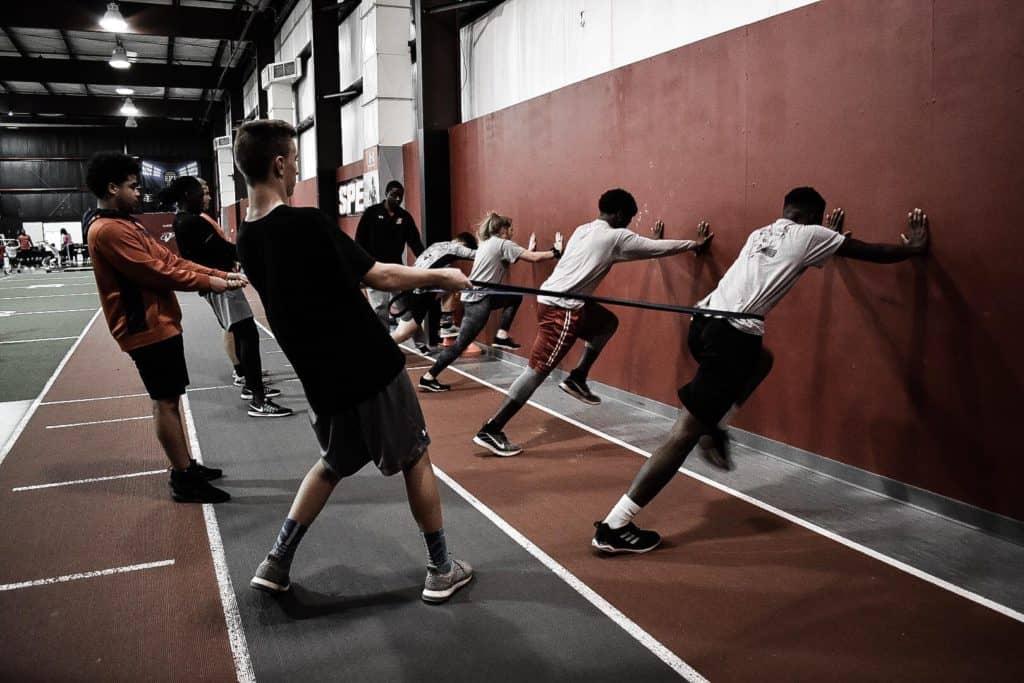
In the world of sports, the difference between triumph and defeat often hinges on the hard work put in long before the final whistle blows. Whether you’re an aspiring athlete aiming to break barriers or a seasoned competitor looking to refine your skills, the foundation of success lies in effective training. “Elevate Your Game” is not just a mantra; it’s a philosophy that embodies the relentless pursuit of excellence in sports. This comprehensive guide aims to equip you with the knowledge, strategies, and tools necessary to optimize your training regimen. From strength conditioning to mental resilience, every aspect of athletic development is explored in detail. Prepare to embark on a journey that will transform your approach to training, enhance your performance, and ultimately lead you to new heights in your sporting endeavors.
Table of Contents
- Understanding the Science Behind Effective Sports Training
- Tailoring Your Training Regimen to Fit Individual Goals
- Nutrition and Recovery: Key Components of Peak Performance
- Incorporating Technology and Analytics into Your Training Routine
- Wrapping Up
Understanding the Science Behind Effective Sports Training
At the core of successful sports training lies a deep understanding of the physiological principles that govern human performance. When engaged in physical training, athletes should consider how their body adapts to various stimuli, leading to improvements in strength, endurance, and agility. Key factors influencing these adaptations include:
- Specificity: Training should mimic the demands of the sport.
- Progressive Overload: Gradually increasing intensity to promote growth.
- Recovery: Adequate rest is crucial for muscle repair and growth.
- Variety: Incorporating different workouts to prevent plateaus and keep motivation high.
Moreover, the psychological aspect of training cannot be overlooked. Mental toughness often separates the good athletes from the great ones. Engaging in exercises that foster focus, resilience, and motivation is equally important as physical training. A well-rounded program that includes mental conditioning could feature:
| Mental Conditioning Techniques | Purpose |
|---|---|
| Visualization | Enhances performance through mental rehearsal. |
| Goal Setting | Creates a roadmap for achievement. |
| Meditation | Improves focus and reduces anxiety. |
Tailoring Your Training Regimen to Fit Individual Goals
Every athlete is unique, and their training regimen should reflect their individual goals, capabilities, and aspirations. Whether you’re an aspiring professional or a weekend warrior, understanding your specific objectives is paramount in designing a program that will effectively enhance your performance. Start by clearly defining your goals. Consider focusing on aspects such as:
- Strength Development: Prioritize powerlifting or resistance training techniques if increasing muscle mass is your aim.
- Endurance Improvement: Integrate longer runs or cycling sessions for those looking to boost their stamina.
- Skill Proficiency: Allocate time for drills and practice that hone particular techniques relevant to your sport.
- Recovery Optimization: Ensure that rest days and active recovery sessions are factored into your plan for better long-term results.
Once you’ve established your goals, it’s crucial to assess your current fitness level and how much time you can realistically dedicate to training. Creating a structured calendar can help maintain consistency and monitor progress. Utilize the following table to outline your weekly training schedule, balancing intensity and type of training:
| Day | Focus Area | Duration |
|---|---|---|
| Monday | Strength Training | 60 minutes |
| Tuesday | Cardio (Running) | 45 minutes |
| Wednesday | Skill Drill | 30 minutes |
| Thursday | Rest/Active Recovery | – |
| Friday | Endurance (Cycling) | 90 minutes |
| Saturday | Strength & Conditioning | 60 minutes |
| Sunday | Flexibility/Yoga | 30 minutes |
Tracking your progress and adjusting your training as needed can make a significant difference in achieving your goals. Regular assessments and feedback loops are integral to fine-tuning your regimen, keeping you motivated and on the right path to elevate your game.
Nutrition and Recovery: Key Components of Peak Performance
The foundation of optimal athletic performance lies in the intricate relationship between nutrition and recovery. Consuming a well-balanced diet ensures that athletes fuel their bodies with the right macronutrients and micronutrients needed for peak performance. Focus on incorporating:
- Carbohydrates: Provides essential energy.
- Proteins: Crucial for muscle repair and growth.
- Fats: Supports cellular function and energy.
- Hydration: Aids in maintaining optimal performance levels.
Equally important is the role of proper recovery strategies in enhancing performance. Effective recovery helps the body rebuild and strengthen after intense training sessions. Key recovery techniques include:
- Sleep: Essential for muscle repair and cognitive function.
- Active Recovery: Engaging in low-intensity exercises helps reduce muscle soreness.
- Nutrition Post-Workout: Consuming protein and carbohydrates after exercise to replenish glycogen stores.
| Recovery Technique | Benefits |
|---|---|
| Sleep | Enhances muscle recovery and mental sharpness |
| Foam Rolling | Reduces muscle tension and improves mobility |
| Stretching | Improves flexibility and reduces injury risk |
Incorporating Technology and Analytics into Your Training Routine
Integrating cutting-edge technology into your training regimen not only enhances performance but also provides critical insights into your development. By utilizing tools like wearable fitness trackers, you can monitor vital statistics such as heart rate, distance traveled, and calorie consumption, allowing you to make data-driven decisions to optimize your workouts. Consider incorporating the following technologies:
- Smart Watches: Track performance metrics in real-time.
- Heart Rate Monitors: Stay within ideal training zones.
- Video Analysis Software: Improve techniques through detailed breakdowns.
Analytics is the backbone of modern training, helping to identify strengths and weaknesses through informed assessments. Coaches and athletes alike can benefit from analyzing performance patterns over time using sophisticated software. Implementing a structured approach can involve:
- Data Collection: Gather performance metrics regularly.
- Trend Analysis: Identify ongoing issues or improvements.
- Feedback Loops: Adapt training based on findings.
| Technology | Benefit |
|---|---|
| Wearable Fitness Tracker | Real-time statistics to inform training. |
| Video Analysis Tools | Enhanced skill development through visual feedback. |
| Performance Analytics Software | Comprehensive insights for strategic planning. |
Wrapping Up
As we conclude our journey through the world of sports training, remember that elevating your game is not merely about improving skills; it’s about unlocking your full potential, both mentally and physically. Whether you’re a seasoned athlete or just starting on this exhilarating path, the principles we’ve explored serve as a foundation for growth and mastery. Embrace the process of training as an opportunity to learn, adapt, and push your limits.
By integrating these insights into your routine, you cultivate resilience, discipline, and an unwavering commitment to excellence. Every drop of sweat, every moment of focus, and every ounce of effort contributes to your evolution as an athlete. So gear up, set your goals, and take that next step toward greatness. Your journey is uniquely yours, but the thrill of progress is universal. Go forth, elevate your game, and let your passion for sport inspire not just your own aspirations, but those around you as well. The field awaits.