


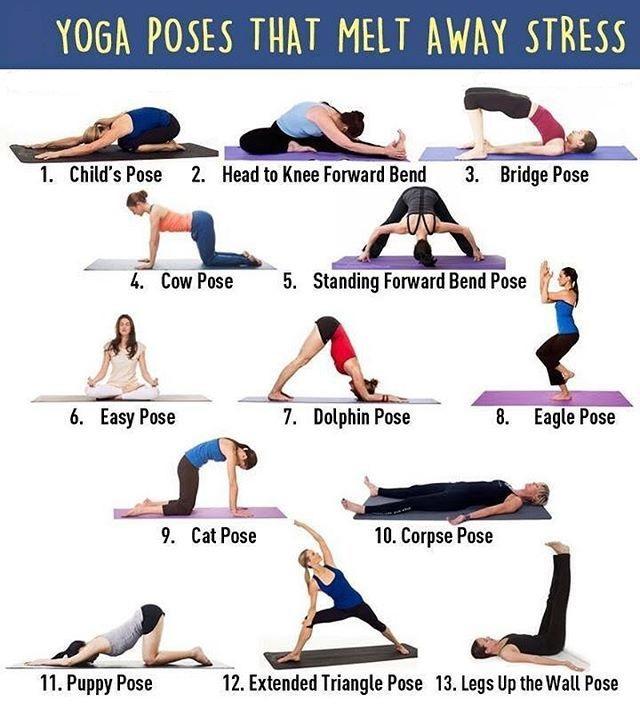
In the hustle and bustle of modern life, where the demands of work, family, and social obligations often overshadow moments of tranquility, finding ways to cultivate calm has become a necessity. Amid the noise and chaos, exercise emerges as a powerful antidote to stress—an age-old remedy that not only strengthens our bodies but also fortifies our minds. In this exploration of “,” we will delve into the science behind how physical activity can transform anxiety into serenity and restore balance in our lives. From the rhythmic beat of a jog to the graceful flow of yoga, join us as we uncover the myriad ways movement can soothe the spirit and inspire a more peaceful existence. Whether you’re a seasoned athlete or just starting your journey, the path to serenity lies within your reach, waiting to be discovered through mindful movement.
Table of Contents
- Exploring the Connection Between Exercise and Stress Reduction
- Mindful Movements: Techniques for Cultivating Inner Peace
- Choosing the Right Exercise: Tailoring Your Routine for Maximum Relief
- Creating a Sustainable Practice: Tips for Making Exercise a Habit
- To Wrap It Up
Exploring the Connection Between Exercise and Stress Reduction
Engaging in physical activity is more than just a way to stay fit; it acts as a powerful antidote to stress. When you exercise, your body releases endorphins, often referred to as “feel-good” hormones, that can help elevate your mood and bring a sense of calm. Additionally, regular exercise has been shown to reduce the levels of stress hormones, such as cortisol. This natural stress relief acts like a reset button for both your mind and body. Whether it’s a gentle walk in the park or an adrenaline-pumping workout session, the benefits are clear. Consider incorporating various forms of exercise into your routine to find what resonates with you, such as:
- Walking or jogging: Easy to start and can be done anywhere.
- Yoga: Combines mindfulness with movement, great for relaxation.
- Strength training: Builds physical strength while enhancing mental resilience.
- Team sports: Promotes social interaction, enhancing mood further.
Understanding how different types of exercise impact your stress levels can help tailor a program that works best for you. Research shows that even short bouts of physical activity can be beneficial. For instance, consider the succinct impact of alternatives like walking versus running, illustrating how various intensities can influence stress reduction:
| Activity | Intensity | Benefits |
|---|---|---|
| Walking | Low | Great for beginners; promotes relaxation. |
| Running | High | Release of endorphins; higher calorie burn. |
| Yoga | Varied | Mindfulness; stress relief through breathwork. |
Mindful Movements: Techniques for Cultivating Inner Peace
Incorporating movement into your daily routine can significantly enhance your mental clarity and emotional well-being. Mindful movements, such as yoga, tai chi, or simply stretching, invite you to become fully present with your body and breath. These practices foster a deeper connection between mind and body, allowing you to release tension and cultivate a sense of calm. Consider the following techniques to start your journey:
- Breath Awareness: Focus on your inhalation and exhalation, allowing each breath to anchor you in the present moment.
- Gentle Flow: Transition smoothly between movements, whether in a yoga flow or while walking, to maintain a consistent rhythm.
- Body Scan: Regularly check in with different parts of your body, releasing areas of tension through intentional movement.
Integrating these movements into your life can help create a sanctuary of peace amid daily chaos. For those seeking structure in their practice, consider the following table as a helpful guide to different mindful movement techniques:
| Technique | Description | Benefits |
|---|---|---|
| Yoga | A series of postures synchronized with breath. | Increases flexibility, reduces stress, enhances mindfulness. |
| Tai Chi | Slow, flowing movements that promote balance. | Improves mental clarity, lowers anxiety, promotes relaxation. |
| Walking Meditation | Walking slowly while focusing on each step. | Enhances awareness, promotes grounding, relieves tension. |
Choosing the Right Exercise: Tailoring Your Routine for Maximum Relief
Finding the right type of exercise is crucial for maximizing stress relief. Different activities cater to varying preferences and physical conditions, and knowing what works best for you can transform your routine into a soothing ritual. Consider these options for tailoring your engagement:
- Yoga: A mindful blend of movement and meditation that promotes relaxation.
- Aerobic Exercise: Activities like jogging or cycling that boost mood-enhancing endorphins.
- Strength Training: Helps in building resilience and confidence while relieving pent-up tension.
- Walking or Hiking: Offers a gentle yet effective way to connect with nature and clear the mind.
To help you make an informed choice, consider the following factors when assessing your options:
| Exercise Type | Time Required | Location | Equipment Needed |
|---|---|---|---|
| Yoga | 30-60 mins | Indoor/Outdoor | Mats, Props |
| Aerobic Exercise | 20-40 mins | Outdoor | Sneakers, Optional Gear |
| Strength Training | 30-45 mins | Indoor | Weights, Resistance Bands |
| Walking/Hiking | 30-90 mins | Outdoor | Sneakers/Boots |
By understanding your own needs and preferences, you can create a customized exercise plan that not only cultivates physical well-being but also fosters mental calmness. Take the time to experiment with different activities and discover what resonates most with your body and mind.
Creating a Sustainable Practice: Tips for Making Exercise a Habit
To establish a lasting, enjoyable exercise routine, consider integrating these practices into your daily life. Start small by setting achievable goals that don’t overwhelm you. Instead of committing to an hour at the gym, aim for 10 to 15 minutes of movement daily. This can include activities like walking, yoga, or cycling. Gradually increase the intensity and duration as you feel more comfortable. Consistency is key—try to exercise at the same time each day to build a dependable habit. Pair your workouts with something you love, such as your favorite playlist or a scenic walking route, to make the experience more enjoyable.
Track your progress and celebrate your achievements, no matter how minor they may seem. Use a journal or a mobile app to record your workouts, which helps maintain motivation. Consider involving others by joining a class or finding a workout buddy to keep each other accountable. Here’s a simple table to visualize potential workout combinations:
| Activity | Duration | Frequency |
|---|---|---|
| Walking | 15-30 mins | 3-5 times/week |
| Yoga | 20 mins | 2-3 times/week |
| Cycling | 30-60 mins | 1-2 times/week |
By turning exercise into a habit through these sustainable practices, not only will you enhance your overall well-being, but you’ll also cultivate a sense of calm that effectively alleviates stress.
To Wrap It Up
As we close the chapter on our exploration of the tranquil alliance between exercise and stress relief, it becomes clear that the journey towards calm is both personal and universal. Whether through the rhythmic cadence of a jog, the meditative flow of yoga, or the exhilarating burst of a dance session, movement offers us a sanctuary amidst life’s chaos. Our bodies, in their remarkable capacity for resilience, hold the potential to transform tension into tranquility.
So, as you lace up your shoes and step out into the world, remember that each stride taken not only nurtures your physical well-being but also cultivates inner peace. Embrace the powerful connection between mind and body, and let exercise guide you toward a more serene state of being. In this ongoing pursuit of calm, the path may be winding, but it is one worth traveling. Your next moment of peace might just be a heartbeat away.