


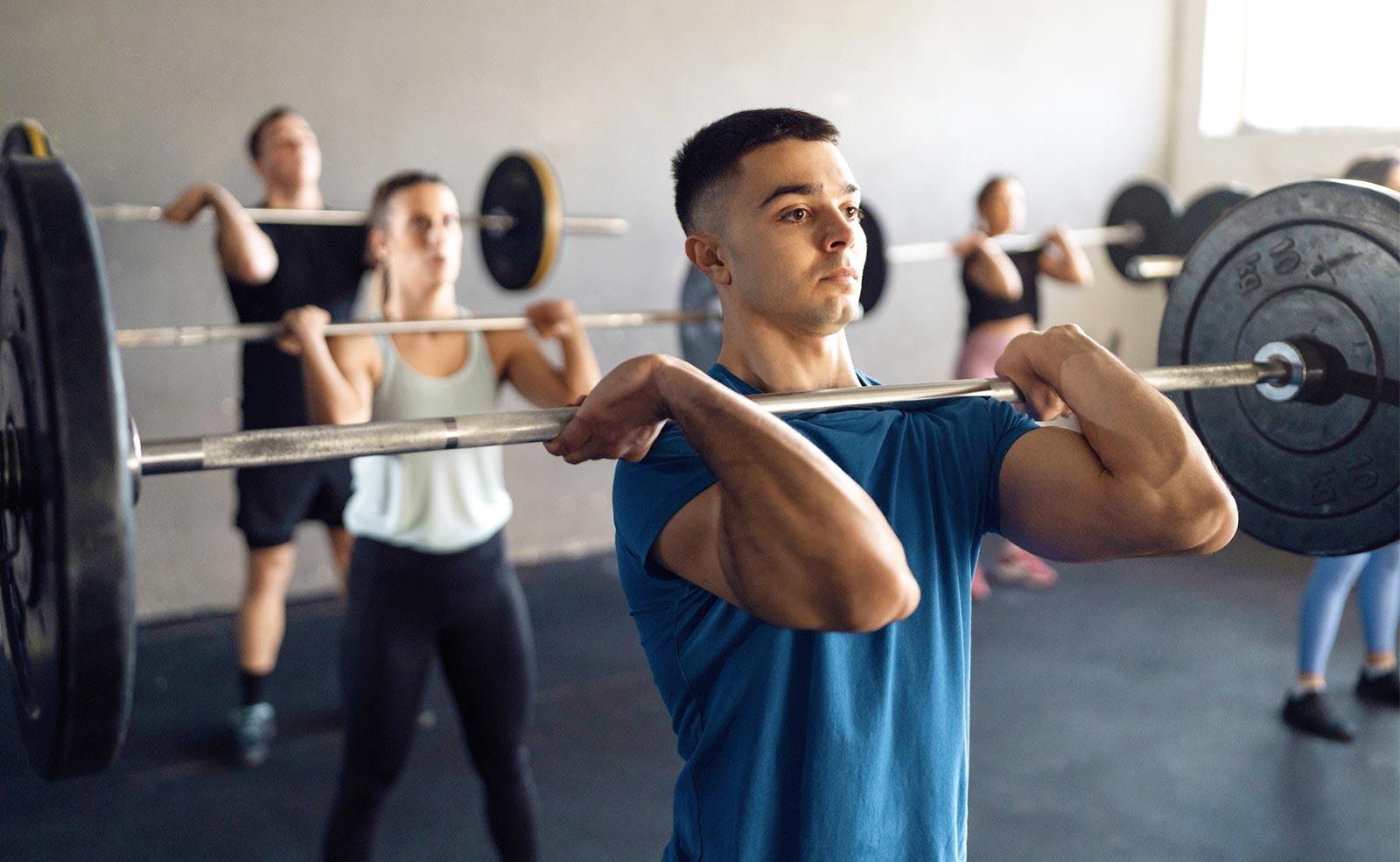
Are you ready to embark on a transformative journey that goes beyond the scales? In a world flooded with quick fixes and fleeting fitness trends, strength training emerges as a time-tested ally in the quest for effective weight loss. This article invites you to discover the power of resistance workouts, not just for sculpting your physique, but for nurturing a healthier, sustainably fit lifestyle. Join us as we explore the science behind strength training and its remarkable ability to ignite your metabolism, enhance fat loss, and build a resilient body. Whether you’re a seasoned gym-goer or taking your first steps into the weight room, prepare to redefine your relationship with exercise and unlock the true potential of your body.
Table of Contents
- Unleashing the Power of Strength Training in Your Weight Loss Journey
- Building a Balanced Routine: Exercises for Every Muscle Group
- Nutrition Matters: Fueling Your Body for Optimal Performance
- Tracking Progress: Measuring Success Beyond the Scale
- To Conclude
Unleashing the Power of Strength Training in Your Weight Loss Journey
Strength training is often overlooked in the weight loss equation, yet it holds the key to not just shedding pounds, but transforming your entire physique. By incorporating resistance exercises into your routine, you boost your metabolic rate, enabling your body to burn more calories even at rest. This is due to the fact that muscle tissue requires more energy to maintain than fat. Consider adding exercises such as:
- Squats: Great for building lower body strength.
- Deadlifts: Work multiple muscle groups for a full-body engagement.
- Bench Press: Strengthen the upper body while improving core stability.
Moreover, strength training enhances your overall fitness and functionality, preparing your body for everyday activities and reducing the risk of injury. It also promotes better blood sugar control and improves mood through the release of endorphins. Here’s a simple comparison of how strength training compares to cardiovascular exercise in weight loss:
| Aspect | Strength Training | Cardio |
|---|---|---|
| Calorie Burn (per hour) | 300-500 | 400-600 |
| Muscle Gain | Yes | No |
| Long-Term Metabolism Boost | Yes | No |
Building a Balanced Routine: Exercises for Every Muscle Group
Creating a workout routine that targets every muscle group is crucial for achieving a well-rounded fitness level. Focus on a mix of compound and isolation exercises to maximize your results. For your upper body, incorporate moves like:
- Push-ups – great for chest and triceps strength
- Pull-ups – an excellent way to work on your back and biceps
- Dumbbell shoulder press – to build shoulder stability
Your lower body should not be neglected either. Focus on exercises that shape your thighs and glutes, such as:
- Squats – a powerhouse move for your entire lower body
- Lunges – perfect for balance and leg definition
- Deadlifts – to strengthen your lower back and hamstrings
Don’t forget your core, as it’s essential for stabilization in all movements. Enhance core strength with:
- Planks - build endurance in both the front and side abdominal muscles
- Bicycle crunches – to engage the obliques
- Russian twists – for additional rotational strength
Lastly, let’s not overlook flexibility and mobility. Incorporating stretching routines post-workout helps in recovery and improves performance. Here’s a quick table illustrating a sample weekly workout plan:
| Day | Focus |
|---|---|
| Monday | Upper Body |
| Tuesday | Lower Body |
| Wednesday | Core |
| Thursday | Active Recovery |
| Friday | Full Body |
| Saturday | Cardio |
| Sunday | Rest |
Nutrition Matters: Fueling Your Body for Optimal Performance
Fueling your body with the right nutrients is essential for maximizing the benefits of your strength training regimen. A balanced diet not only supports muscle recovery and growth but also enhances endurance and energy levels during workouts. Incorporating various food groups can ensure that your body receives the vitamins, minerals, and macronutrients necessary to perform at its best. Consider including:
- Lean Proteins: Chicken, fish, tofu, and legumes for muscle repair.
- Complex Carbohydrates: Whole grains and fruits to fuel your energy levels.
- Healthy Fats: Avocados, nuts, and olive oil for hormone regulation.
- Hydration: Staying well-hydrated aids in nutrient transport and recovery.
Understanding the timing of your meals relative to your workouts can also significantly impact your performance and results. Consuming a balanced meal or snack that includes protein and carbohydrates about 1-2 hours before exercising can provide the energy you need to power through your workout. Conversely, refueling with a meal that prioritizes protein and healthy carbs post-workout can facilitate recovery. Here’s a simple breakdown:
| Timing | Meal Suggestion |
|---|---|
| Pre-Workout | Greek yogurt with fruit and a sprinkle of granola |
| Post-Workout | Grilled chicken with quinoa and steamed vegetables |
Tracking Progress: Measuring Success Beyond the Scale
When embarking on a fitness journey, many individuals fall into the trap of solely relying on the number they see on the scale. While tracking weight can provide some insights, it doesn’t offer the complete picture of your progress. Focus on holistic measures of success such as how your clothes fit, your energy levels, and improvements in your strength and endurance. Incorporating strength training not only helps you build lean muscle mass but also boosts your metabolism, which can lead to a more impressive transformation that surpasses mere numbers.
To effectively track your progress, consider setting specific fitness goals and celebrating small victories along the way. Here are some alternative indicators to monitor your success:
- Body Measurements: Regularly note changes in measurements around your waist, hips, and arms.
- Fitness Milestones: Track increases in weights lifted, number of reps, or workout durations.
- Endurance Increases: Measure how long you can sustain a workout or an activity before fatigue sets in.
Additionally, visual progress can be incredibly motivational. Create a simple table to document your non-scale victories:
| Week | Weight (lbs) | Waist Measurement (in) | Bench Press (lbs) |
|---|---|---|---|
| 1 | 150 | 30 | 100 |
| 4 | 148 | 29 | 110 |
| 8 | 145 | 28 | 120 |
To Conclude
As we draw the curtain on our exploration of strength training as a beacon for effective weight loss, it’s essential to remember that the journey is as important as the destination. Transforming your body is not merely about shedding pounds; it’s about cultivating a lifestyle that embraces strength, resilience, and self-empowerment. Each rep and set not only chisels your physique but also fortifies your mind and spirit, setting you on a path toward lasting change.
As you embark on or continue your strength training journey, embrace the challenges and celebrate the victories—both big and small. Whether you’re a seasoned lifter or a newcomer to the weights, remember that every step you take builds not just muscles, but confidence and tenacity. So, gather your weights, set your intentions, and let the transformation begin! Here’s to a stronger, healthier you—one lift at a time.