


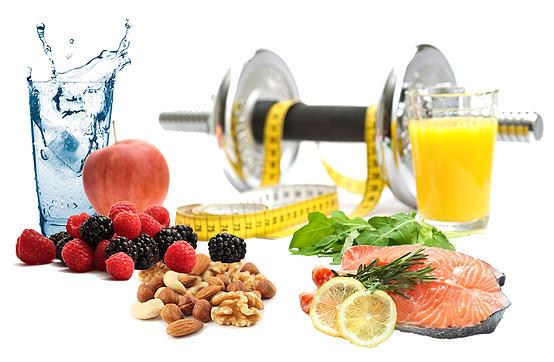
Introduction:
In the world of sports and athletics, performance is often the result of a perfect marriage between skill, training, and nutrition. While many athletes focus on rigorous workout regimens and mastering their craft, the importance of a well-balanced diet is frequently overlooked. Nutrition plays a crucial role in enhancing performance, aiding recovery, and preventing injuries. Understanding how to fuel your body with the right nutrients can provide a significant edge, whether you’re a weekend warrior, a competitive athlete, or someone simply looking to get the most out of their workouts. In this essential guide, we will explore the foundational principles of sports nutrition, offering evidence-based strategies to help you optimize your diet for peak performance. From macronutrient balancing to hydration tips, we’ll equip you with the knowledge you need to transform your approach to nutrition and elevate your athletic game. Let’s dive in!
Table of Contents
- Understanding Macronutrients and Their Role in Athletic Performance
- The Importance of Hydration Strategies for Endurance and Recovery
- Timing Your Meals: Pre- and Post-Workout Nutritional Guidelines
- Supplementation: What Works and What to Avoid for Athletes
- The Conclusion
Understanding Macronutrients and Their Role in Athletic Performance
Macronutrients are the building blocks of nutrition that play a crucial role in fueling athletic performance. They consist of carbohydrates, proteins, and fats, each contributing uniquely to an athlete’s overall energy and recovery needs. Carbohydrates are primarily responsible for providing the energy necessary for high-intensity workouts. They are stored in the muscles and liver as glycogen, which becomes the main energy source during physical exertion. On the other hand, protein is essential for muscle repair and growth, making it vital for athletes who engage in strength and endurance training. Fats, while often underrated, are an important energy source for longer-duration exercises and assist in the absorption of fat-soluble vitamins.
Understanding the appropriate distribution of these macronutrients can dramatically enhance athletic performance. A common strategy among athletes is to adhere to a macro ratio tailored to their specific discipline and training demands. The following breakdown offers a general guideline for performance optimization:
| Macronutrient | Recommended Percentage |
|---|---|
| Carbohydrates | 45-65% |
| Proteins | 10-35% |
| Fats | 20-35% |
It’s crucial for athletes to adjust these percentages based on their training intensity, duration, and individual metabolism. For instance, endurance athletes may require higher carbohydrate intake to sustain energy levels, whereas strength athletes might place a greater emphasis on protein for muscle recovery. By crafting a well-balanced diet that reflects these macronutrient needs, athletes can optimize their performance, enhance recovery, and support their overall health.
The Importance of Hydration Strategies for Endurance and Recovery
Hydration is a critical element that directly influences both performance and recovery in endurance sports. Effective hydration strategies help maintain optimal fluid balance, which is essential for sustaining endurance activities and enhancing recovery post-exercise. When athletes do not drink enough fluids, they can face significant training setbacks due to dehydration, including decreased coordination, increased fatigue, and impaired physical performance. To combat these issues, it’s vital to incorporate hydration strategies that fit personal needs and exercise conditions.
To develop a tailored hydration plan, athletes should consider the following factors:
- Intensity and Duration: Adjust fluid intake based on the length and intensity of exercise.
- Climate and Environmental Conditions: Hot and humid environments increase the need for fluid replacement.
- Personal Sweat Rate: Understanding individual sweat loss can guide fluid needs accurately.
- Type of Activity: Varying hydration needs between aerobic activities and strength training.
Sample Hydration Table
| Exercise Duration | Recommended Fluid Intake |
|---|---|
| Less than 60 minutes | Water, as needed |
| 60-90 minutes | Electrolyte drink, 500-750 ml |
| Over 90 minutes | Electrolyte drink, 750-1500 ml |
By prioritizing fluid intake and timing, athletes can not only extend their endurance during training or competition but also facilitate quicker recovery, ultimately enhancing their overall athletic performance. The strategic combination of water and electrolytes ensures that the body can efficiently maintain its functions, thereby fostering better results over time.
Timing Your Meals: Pre- and Post-Workout Nutritional Guidelines
Proper nutrition is pivotal in maximizing performance during workouts. Before your training session, aim to fuel your body with the right types of macronutrients. Focus on consuming a meal or snack that combines carbohydrates for energy and protein for muscle support. Ideal options include:
- Oatmeal topped with fruit and nuts
- Greek yogurt with honey and berries
- Whole grain toast with almond butter
- Banana and a protein shake
Timing is essential; plan to eat your pre-workout meal about 1 to 3 hours in advance to allow for optimal digestion. After your workout, your body craves nutrients to recover effectively. A post-workout meal rich in protein and simple carbohydrates can significantly enhance recovery and muscle repair. Suitable choices include:
- Grilled chicken with quinoa and steamed vegetables
- Protein smoothie with banana and spinach
- Cottage cheese with pineapple
- Turkey sandwich on whole grain bread
Aim to eat within 30 to 60 minutes after exercising to maximize muscle recovery and glycogen replenishment.
Supplementation: What Works and What to Avoid for Athletes
When it comes to supplementation for athletic performance, it’s essential to distinguish between what can genuinely enhance your capabilities and what may offer little to no benefit or, worse, hinder your progress. Popular supplements that have shown efficacy include:
- Creatine: Boosts high-intensity exercise performance and increases muscle mass.
- Beta-Alanine: Helps reduce fatigue and increase endurance.
- Protein Powders: Convenient for meeting daily protein intake to support muscle recovery.
- Omega-3 Fatty Acids: Reduces inflammation and may improve recovery.
On the flip side, not all supplements are created equal, and some can be more harmful than helpful. It’s advisable to steer clear of:
- Unregulated Supplements: Products not verified by third-party testing can contain dubious ingredients.
- Excessive Caffeine: High doses can lead to jitteriness, anxiety, and heart palpitations.
- Weight Loss Supplements: Often come with harmful side effects without substantiated benefits for performance.
| Supplement | What It Claims | Evidence |
|---|---|---|
| Creatine | Enhances muscle strength | Extensively studied, proven effective |
| Beta-Alanine | Increases endurance | Supported by various research studies |
| Protein Powders | Facilitates recovery | Widely accepted, effective for many athletes |
The Conclusion
understanding the principles of sports nutrition is vital for anyone looking to enhance their athletic performance. By incorporating the right balance of macronutrients, staying properly hydrated, and timing your meals effectively, you can fuel your body for success, whether you’re a weekend warrior or a competitive athlete. Remember, nutrition is not a one-size-fits-all endeavor; it requires personalization based on your individual needs, goals, and activity levels.
As you continue your journey in the world of sports, don’t hesitate to experiment with different dietary strategies and listen to your body’s responses. Staying informed about the latest research and trends in sports nutrition can also give you a competitive edge.
So, take these insights and strategies into your training regimen. With the right nutrition, you can unlock your full potential and achieve the performance results you’ve always aimed for. Here’s to reaching new heights in your athletic ambitions through the power of proper nutrition! Safe training, and don’t forget to refuel!