


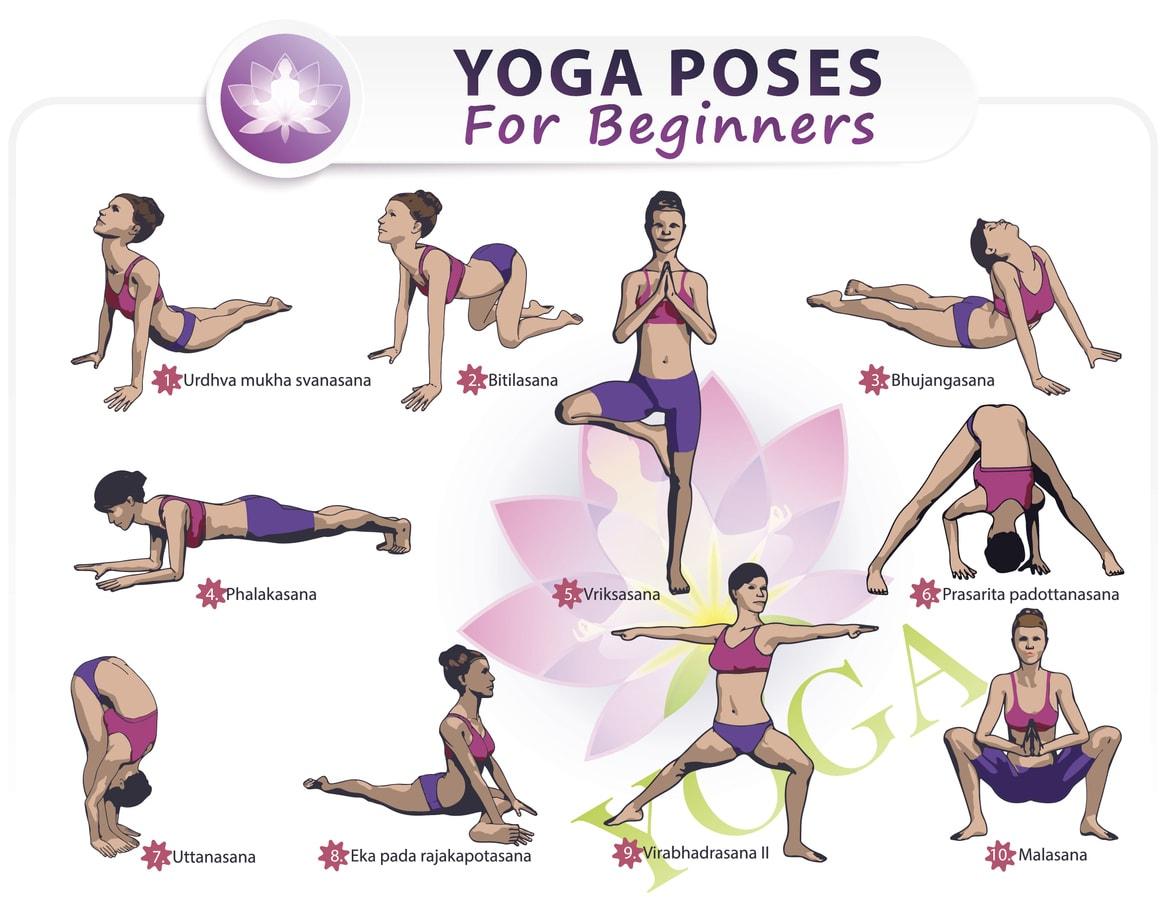
Yoga has gained significant popularity in recent years as a holistic practice that promotes physical fitness, mental clarity, and emotional well-being. While the origins of yoga date back thousands of years in ancient India, its adaptability to contemporary lifestyles has led to a diverse array of styles and workouts tailored to various needs and preferences. This article aims to explore the myriad benefits of yoga, including improved flexibility, strength, and stress reduction, while also examining the different types of yoga workouts available. By understanding both the advantages and the various methodologies, individuals can make informed decisions about integrating yoga into their personal wellness routines.
Table of Contents
- Understanding the Physical Benefits of Yoga Workouts
- Examining the Mental Health Advantages of Yoga Practices
- Exploring Different Styles of Yoga and Their Unique Offerings
- Recommendations for Incorporating Yoga into Your Fitness Routine
- Wrapping Up
Understanding the Physical Benefits of Yoga Workouts
Yoga workouts provide a multitude of physical benefits that extend beyond mere flexibility. Engaging in regular yoga practice can significantly enhance muscle strength, improve posture, and increase body awareness. Many practitioners find that the incorporation of specific poses, such as Warrior II and Downward Dog, helps to tone various muscle groups, leading to a more balanced physique. Additionally, yoga encourages better alignment and proper mechanics, reducing the risk of injury during daily activities.
Moreover, the elements of breath control and mindfulness in yoga contribute to enhanced respiratory function and cardiovascular health. For instance, practices focused on deep breathing, such as Ujjayi breath, can improve lung capacity while promoting relaxation. The table below summarizes the key physical benefits associated with different styles of yoga:
| Yoga Style | Physical Benefits |
|---|---|
| Hatha | Improves flexibility and balance |
| Vinyasa | Enhances strength and aerobic fitness |
| Ashtanga | Builds endurance and muscular strength |
| Yin | Increases joint mobility and relaxation |
Examining the Mental Health Advantages of Yoga Practices
Research indicates that incorporating yoga into one’s daily routine can significantly improve mental well-being. Various studies demonstrate that regular yoga practice helps reduce symptoms of anxiety and depression. This is largely attributed to yoga’s emphasis on breath control, mindfulness, and physical movement, which facilitate a deeper connection between mind and body. Participants often report enhanced emotional regulation, increased resilience to stress, and a more positive outlook on life. The meditative aspects of yoga cultivate a sense of calm and presence, making it a valuable tool for those seeking to manage daily stressors.
Different types of yoga practices cater to various mental health needs, allowing individuals to choose an approach that resonates with them. Popular forms include:
- Hatha Yoga: Focuses on physical postures and breath work, promoting balance and grounding.
- Vinyasa Yoga: Encourages flow and movement, helping to release tension and boost mood.
- Restorative Yoga: Utilizes props for deep relaxation and stress relief.
- Mindfulness-Based Stress Reduction (MBSR): Incorporates meditation techniques, enhancing awareness and emotional clarity.
These varied practices not only offer physical benefits but also create opportunities for individuals to familiarize themselves with their thoughts and emotions, ultimately leading to improved mental health outcomes. The combination of physical activity, breathing exercises, and mindfulness can foster a holistic sense of well-being.
Exploring Different Styles of Yoga and Their Unique Offerings
Yoga encompasses a rich tapestry of styles, each offering unique benefits tailored to various physical, mental, and spiritual needs. Hatha Yoga, one of the most common forms, lays the foundation for many other styles, focusing on physical postures and breath control. In contrast, Vinyasa Yoga emphasizes flowing sequences that link movement with breath, making it a dynamic and invigorating practice. Ashtanga Yoga offers a more structured approach, providing a set series of postures that promote strength and endurance. Meanwhile, Bikram Yoga is practiced in a heated room, which aids in detoxification and flexibility.
For those seeking mindfulness and relaxation, Yin Yoga provides a meditative experience with long-held postures that target deep connective tissues. Additionally, Restorative Yoga employs props to facilitate complete relaxation, promoting recovery and stress relief. On the other hand, Kundalini Yoga combines physical postures, breathwork, and chanting for a holistic awakening of energy and consciousness. Understanding the distinctions between these styles allows practitioners to choose the one that aligns best with their personal goals, whether that be flexibility, strength, meditation, or stress reduction.
Recommendations for Incorporating Yoga into Your Fitness Routine
Incorporating yoga into your fitness routine can enhance both physical and mental health. To get started, consider integrating yoga sessions at least once or twice a week. Choose a time that works best for you, whether it be early morning to energize your day or evening to unwind after a busy schedule. Finding a yoga style that complements your overall fitness goals is essential; for instance, if you’re looking for strength, you might select Vinyasa or Ashtanga yoga, while those seeking relaxation may enjoy Hatha or Yin yoga. Here are some tips to help you incorporate yoga effectively:
- Start Slow: Gradually build your yoga practice by beginning with shorter sessions.
- Listen to Your Body: Pay attention to your limits and ease into postures to avoid injury.
- Combine with Other Workouts: Use yoga as a complementary practice to activities like running or weightlifting.
- Stay Consistent: Regular practice is key to reaping the full benefits of yoga.
To monitor your progress and explore different aspects of yoga, you might consider creating a simple tracker. This could include the type of yoga practiced, duration, and how you felt afterward. Below is a sample structure for a yoga practice log:
| Date | Type of Yoga | Duration (mins) | Feelings/Notes |
|---|---|---|---|
| YYYY-MM-DD | Hatha | 30 | Relaxed, centered |
| YYYY-MM-DD | Vinyasa | 45 | Energetic, focused |
This structured approach will help you stay accountable and motivated as you weave yoga into your daily routine.
Wrapping Up
the exploration of yoga workouts reveals a diverse practice that offers a multitude of benefits for individuals of all fitness levels and backgrounds. From enhancing physical strength and flexibility to promoting mental clarity and emotional well-being, the various types of yoga cater to different preferences and goals. Whether one is drawn to the dynamic movements of Vinyasa, the restorative nature of Yin, or the meditative aspects of Hatha, each style provides unique advantages that contribute to a holistic approach to health. As interest in yoga continues to grow, it is essential for practitioners to consider their personal needs and objectives when selecting a type of yoga workout. Ultimately, incorporating yoga into a fitness routine can support overall wellness and foster a deeper connection between mind and body.