


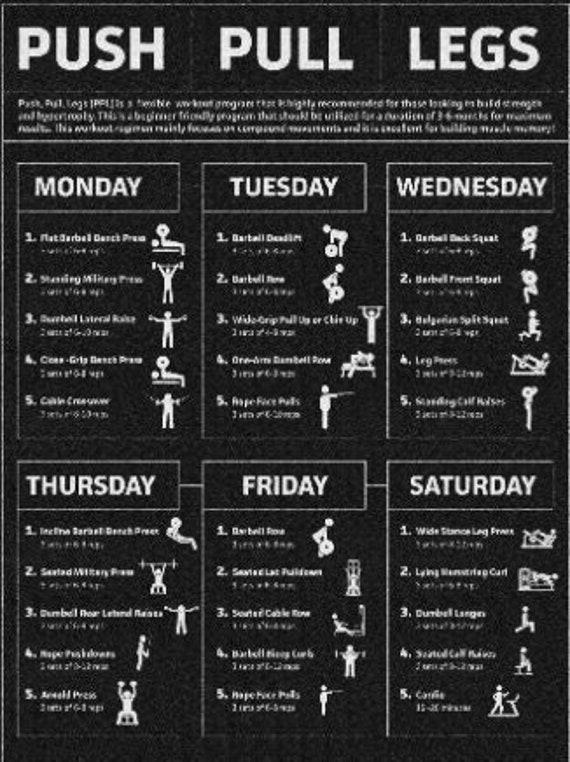
In today’s fast-paced world, maintaining a consistent workout routine can be a significant challenge for individuals with busy schedules. Juggling work commitments, family responsibilities, and personal obligations often leaves little time for regular exercise, leading many to abandon their fitness goals altogether. However, incorporating effective workout routines into a hectic lifestyle is not only achievable but can also have profound benefits for physical and mental health. This article explores various workout strategies tailored for those with limited time, presenting efficient and accessible options that maximize results while fitting seamlessly into a busy routine. By implementing these practical approaches, individuals can enhance their fitness levels without compromising other aspects of their lives.
Table of Contents
- Understanding Time Constraints in Fitness Regimens
- Streamlining Workouts: High-Intensity Interval Training Benefits
- Incorporating Flexibility and Mobility into Short Workouts
- Establishing Consistency: Tips for Staying Motivated Amidst a Busy Lifestyle
- In Conclusion
Understanding Time Constraints in Fitness Regimens
In today’s fast-paced world, understanding the limitations of time is critical for anyone looking to maintain a fitness regimen. Busy schedules can often lead to the perception that there’s simply not enough time to commit to regular exercise. However, realizing that effective workouts can be short and efficient is key. By focusing on high-intensity intervals or compound exercises, individuals can maximize their workout impact in minimal time. Here are some essential considerations:
- Prioritize Consistency: Short, consistent workouts can yield better results than infrequent long sessions.
- Choose Efficient Exercises: Focus on movements that engage multiple muscle groups at once.
- Incorporate Variety: Keeping a varied routine can keep workouts engaging and prevent burnout.
- Plan Ahead: Scheduling workouts just like any other important appointment can help ensure they are not overlooked.
When organizing a workout plan around a busy lifestyle, it can also be helpful to visualize how time is allocated during the week. Below is a sample table illustrating how even a condensed weekly workout schedule can still provide a means of staying fit:
| Day | Workout Type | Duration |
|---|---|---|
| Monday | HIIT (High-Intensity Training) | 20 minutes |
| Wednesday | Strength Training | 30 minutes |
| Friday | Yoga or Stretching | 15 minutes |
| Saturday | Outdoor Activity (Running/Cycling) | 40 minutes |
This concise format makes it possible to incorporate fitness into daily life seamlessly. By strategically utilizing windows of time and focusing on effective workout strategies, individuals can achieve their fitness goals even amidst hectic lives.
Streamlining Workouts: High-Intensity Interval Training Benefits
High-Intensity Interval Training (HIIT) offers an effective solution for those juggling a busy lifestyle. This exercise method alternates short bursts of intense activity with recovery periods, allowing individuals to maximize their workouts in minimal time. Some of the key advantages include:
- Efficiency: Short sessions can provide results comparable to longer, moderate workouts.
- Increased metabolism: HIIT can elevate metabolic rate even after the workout has finished, leading to improved fat burning.
- Flexibility: Workouts can be tailored to various fitness levels and can be done anywhere, requiring minimal equipment.
Additionally, studies have shown that HIIT can enhance cardiovascular fitness, build muscle, and improve insulin sensitivity. Compared to traditional training, HIIT not only saves time but also keeps exercise routines engaging, which can encourage consistency. Here’s a quick comparison of the main benefits of HIIT versus steady-state cardio:
| Feature | HIIT | Steady-State Cardio |
|---|---|---|
| Duration | Short (15-30 mins) | Longer (30-60 mins) |
| Caloric Burn | High post-exercise burn | Steady burn during workout |
| Engagement | Varied formats | Repetitive |
Incorporating Flexibility and Mobility into Short Workouts
Integrating flexibility and mobility exercises into your short workout sessions can significantly enhance your overall fitness and well-being, especially when time is scarce. These stretches and movements not only help in preventing injuries but also improve performance by promoting better body mechanics. Consider incorporating the following dynamic exercises into your routine:
- Dynamic Lunges: A great way to stretch your hip flexors while engaging your legs.
- Standing Quad Stretch: Helps increase mobility in the hip joint.
- Arm Circles: Effective for warming up the shoulders and upper body.
- Cat-Cow Stretch: A beneficial movement for spinal flexibility and core engagement.
To further optimize your short workouts, aim for a quick mobility routine that takes no more than 5-10 minutes. This could be a blend of static and dynamic stretches tailored to meet your needs. Below is a simple table showcasing a sample routine for incorporating flexibility and mobility:
| Exercise | Duration |
|---|---|
| Hip Openers | 1 minute |
| Shoulder Stretch | 1 minute |
| Torso Twists | 1 minute |
| Hamstring Stretch | 1 minute |
| Calf Raises | 1 minute |
Establishing Consistency: Tips for Staying Motivated Amidst a Busy Lifestyle
When juggling a busy lifestyle, maintaining *consistency* in your workout routine becomes essential for progress and motivation. One effective strategy is to schedule your workouts just like any other appointment. Set specific days and times for exercise, and treat them as non-negotiable commitments. This can help you develop a sense of accountability and ensure that you allocate time to prioritize your health amidst your busy schedule. Additionally, setting achievable goals can significantly enhance your motivation. Focus on small milestones and celebrate each accomplishment to encourage yourself to keep going.
To stay motivated, consider incorporating a mix of short yet efficient workouts that fit seamlessly into your day. Whether it’s a quick 20-minute HIIT session or a brisk walk during your lunch break, every bit counts. Here are some tips to keep in mind:
- Prioritize Variety: Mix up your routines to prevent boredom. Incorporate strength training, cardio, and flexibility exercises throughout the week.
- Be Flexible: If you miss a scheduled workout, don’t be discouraged. Find alternative ways to stay active, like taking the stairs or doing a quick stretch during breaks.
- Use Technology: Fitness apps can provide workout ideas, track progress, and remind you of your scheduled sessions.
Creating a *dedicated space* for workouts can also boost your motivation. Having a specific area at home, even if it’s just a corner with a yoga mat, makes it easier to jump into your routines. If you prefer team activities, look for local fitness groups or online classes to keep your enthusiasm high. Below is a sample weekly workout schedule designed for busy individuals:
| Day | Workout Type | Duration |
|---|---|---|
| Monday | HIIT | 20 mins |
| Wednesday | Strength Training | 30 mins |
| Friday | Yoga or Stretching | 30 mins |
| Saturday | Outdoor Activity (e.g., Hiking) | 45 mins |
In Conclusion
navigating a busy schedule while maintaining a commitment to fitness can be challenging, but it is not impossible. By implementing effective workout routines that emphasize efficiency and adaptability, individuals can successfully integrate exercise into their daily lives. Prioritizing short, high-intensity sessions, utilizing bodyweight exercises, and considering options like circuit training can maximize results in limited time. Furthermore, planning workouts in advance and making use of available resources can enhance consistency and motivation. Ultimately, finding a routine that fits personal lifestyle and preferences will not only improve physical health but also contribute to overall well-being. By adopting these strategies, even the busiest of individuals can achieve their fitness goals and maintain a balanced lifestyle.