


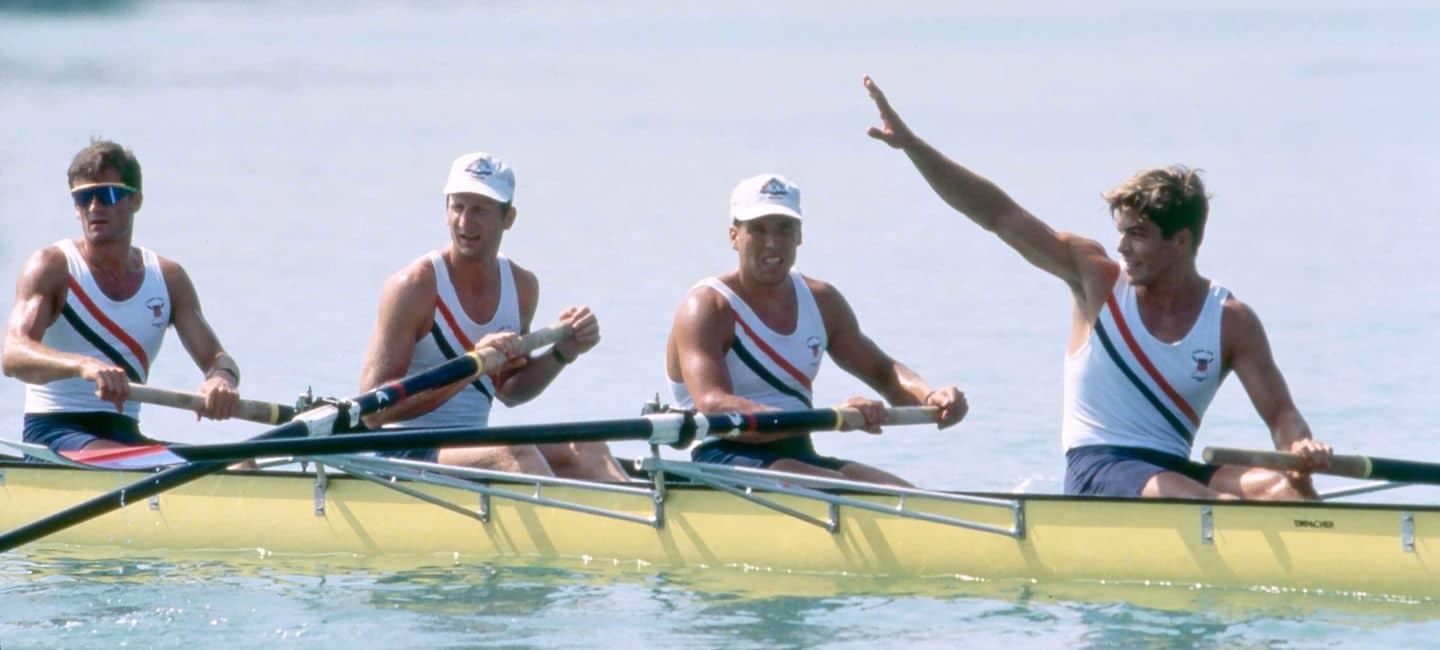
In a world where fitness trends come and go like the tides, one timeless activity stands out for its efficiency and appeal: rowing. Often associated with serene lakes and sunny regattas, this full-body workout offers much more than picturesque scenery; it serves as a powerful cardiovascular exercise that can torch calories, build strength, and enhance overall endurance. In this article, we dive into the depths of rowing routines, uncovering effective methods to elevate your fitness levels while embracing the rhythmic sway of the oar. Whether you’re a seasoned rower or a curious newcomer, prepare to explore the various cardio routines that can transform your rowing experience into a dynamic workout, one stroke at a time.
Table of Contents
- Unlocking the Power of Rowing Machines for Cardio Endurance
- Mastering Technique: Form and Efficiency in Your Rowing Routine
- Creative Workouts: Varied Approaches to Keep Rowing Engaging
- Tracking Progress: Measuring Cardio Gains and Setting Goals
- In Conclusion
Unlocking the Power of Rowing Machines for Cardio Endurance
Rowing machines offer a unique blend of strength training and cardiovascular conditioning, making them a powerful tool for enhancing your cardio endurance. The rhythmic motion of rowing engages multiple muscle groups, including the legs, back, and arms, resulting in an efficient full-body workout. This can elevate your heart rate quickly, providing an excellent means to burn calories while simultaneously improving aerobic capacity. By integrating various techniques and workout regimes with the rowing machine, you can diversify your training and combat monotony, keeping your cardio routine exciting and effective.
To maximize your rowing sessions, consider implementing a range of intensities and duration within your workouts. Here are a few proven strategies:
- Interval Training: Alternate between high-intensity repetitions and lower-intensity recovery periods.
- Steady State Rowing: Maintain a consistent pace for a longer duration to build endurance.
- Technique Drills: Focus on form and stroke efficiency to improve overall performance.
| Workout Type | Duration | Intensity |
|---|---|---|
| Interval Training | 20 minutes | High/Low |
| Steady State | 30-40 minutes | Moderate |
| Technique Focus | 15 minutes | Low |
By consistently utilizing the rowing machine with varied workouts, you not only enhance your cardiovascular health but also foster muscular endurance and overall fitness. Remember, the key to unlocking the full potential of this powerful machine lies in your commitment and creativity in design your routines. Explore different pacing strategies and be sure to listen to your body’s response to optimize every rowing session.
Mastering Technique: Form and Efficiency in Your Rowing Routine
Focusing on the right technique not only enhances your rowing experience but also maximizes the benefits of your workout. Begin with your feet firmly strapped in, ensuring a solid foundation, and maintain a relaxed but controlled grip on the handle. Key points to remember include:
- Posture: Keep your back straight and core engaged throughout your strokes.
- Drive Sequence: Initiate with your legs, followed by your back and arms for a fluid motion.
- Recovery: Glide smoothly back to the starting position, preparing for the next stroke.
Practicing these principles can lead to a more powerful stroke and decreased risk of injury.
Efficiency is paramount in rowing; it’s about doing more with less effort. Monitoring your stroke rate and adjusting it to match your fitness goals can significantly impact your performance. Consider implementing these strategies to improve your efficiency:
- Maintain a steady cadence: Aim for a consistent rhythm to prevent fatigue.
- Focus on short, powerful strokes: Quality often outweighs quantity.
- Use your legs effectively: Engage your lower body muscles fully for a stronger drive.
Utilizing these techniques allows for a productive workout that builds endurance while refining your skill. Remember, practice makes perfect—so embrace the learning curve and watch your rowing capabilities soar.
Creative Workouts: Varied Approaches to Keep Rowing Engaging
To elevate your rowing routine and fend off monotony, consider integrating various themed workouts into your weekly schedule. One effective method is implementing interval training, where you alternate between periods of high intensity and lower intensity. For instance, after a warm-up, aim for 30 seconds of all-out effort followed by 1 minute of easy rowing. This not only ramps up your heart rate but also boosts your endurance and stamina. Another exciting variation is incorporating power strokes; focus on strength by executing shorter, more forceful strokes for a set period, then switch back to your normal pace. This can help in building overall muscle as well as keeping your sessions fresh and invigorating.
Additionally, explore creative targets and challenges to stay engaged. Competitive spirit can be reignited by challenging friends or fellow rowers to a mini regatta or creating personal best competitions. Set a time or distance target and track your progress over weeks; celebrating small victories can provide a significant motivational boost. You might also consider adding some cross-training elements, such as combining rowing with short sprints on land or even integrating yoga for cool-down sessions, to enhance overall body flexibility and strength. Embracing these diverse approaches not only makes each workout unique but also contributes to a more effective fitness journey.
Tracking Progress: Measuring Cardio Gains and Setting Goals
Measuring your progress is essential in any fitness journey, especially when it comes to cardio routines like rowing. By tracking metrics, you can gain insights into your performance and gradually adjust your goals. Consider focusing on key indicators such as:
- Calories Burned: Use a rowing machine’s monitor to estimate the calories burned in each session.
- Pace Per 500 Meters: This helps you evaluate how your speed improves over time.
- Distance Traveled: Monitor the total distance rowed in each workout to set benchmarks.
- Heart Rate: This reflects your cardiovascular endurance and overall fitness level.
As you track your progress, it’s crucial to set achievable yet challenging goals to keep you motivated. You might consider implementing the SMART criteria for your objectives:
- Specific: Specify what you want to achieve, such as rowing a certain distance within a specific time frame.
- Measurable: Ensure that your goals can be quantified, such as increasing your distance weekly by 10%.
- Achievable: Set realistic goals that fit your current fitness level, avoiding burnout.
- Relevant: Align your goals with your overall fitness ambitions and lifestyle.
- Time-bound: Create a timeline to assess your progress, whether it’s weekly, monthly, or quarterly.
| Goal Type | Example |
|---|---|
| Distance | Row 5 km within 25 minutes |
| Time | Row continuously for 30 minutes |
| Interval Training | Complete 6 sprints of 1 minute each |
In Conclusion
As we navigate the waters of fitness, rowing emerges not just as a sport but as a gateway to well-rounded cardiovascular health. The routines we’ve uncovered in this exploration serve as a testament to the versatility and effectiveness of rowing, inviting enthusiasts and novices alike to embark on their personal fitness journeys. Whether you’re gliding through tranquil lakes or powering through indoor sessions, the rhythmic pull of the oars can transform your approach to cardio.
Remember, fitness is not a race but a voyage. Embrace the challenge, honor your progress, and let each stroke propel you towards a healthier tomorrow. As you integrate these effective routines into your regimen, may you find joy in both the process and the results, ultimately rowing your way to a fitter, more vibrant version of yourself. So, gear up, take hold of those oars, and set sail into the rewarding waters of cardiovascular wellness. Your fitness journey awaits—make each stroke count!