


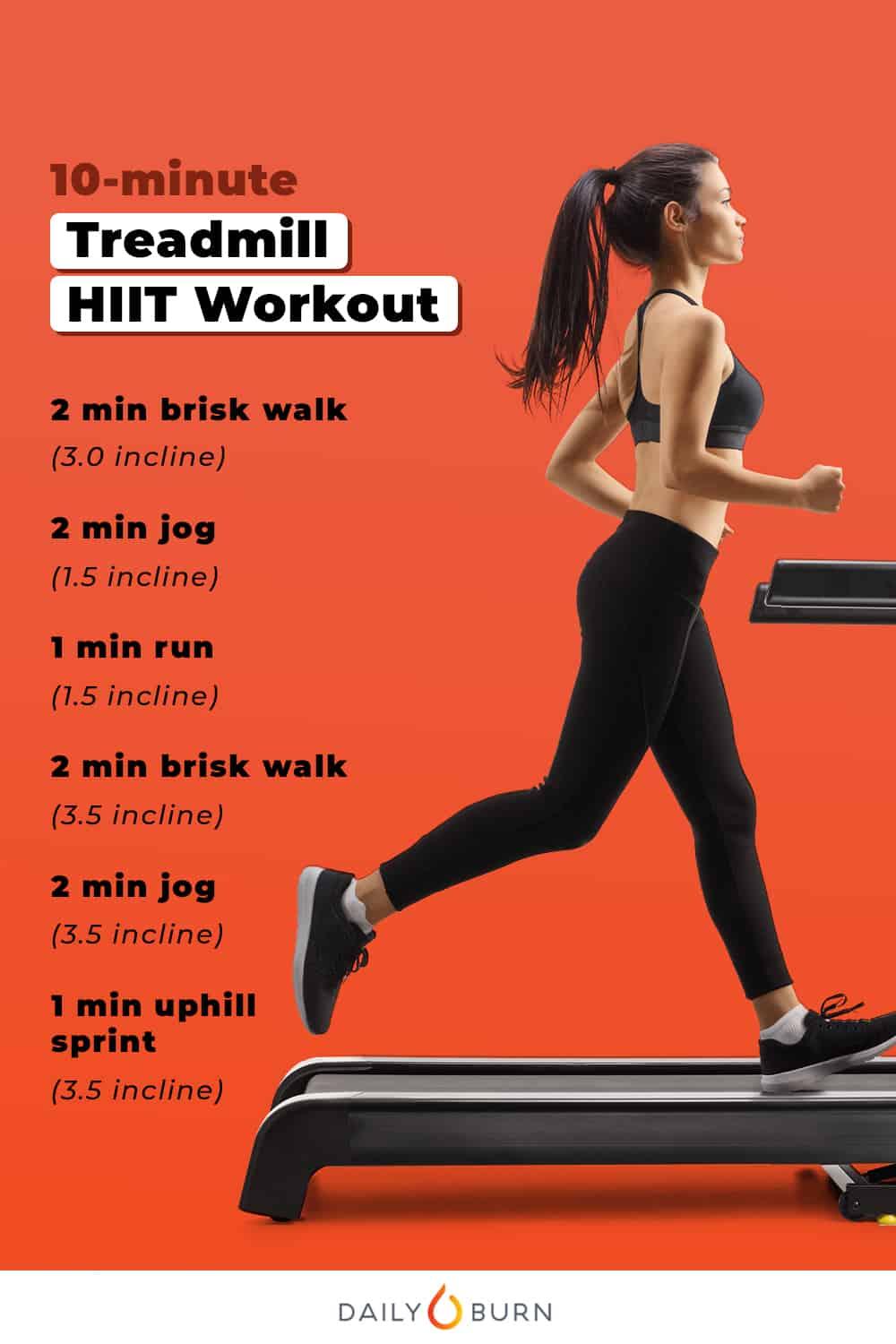
In a world where fitness trends come and go like the seasons, High-Intensity Interval Training (HIIT) has emerged as a beacon of efficiency and effectiveness in weight loss journeys. As we strive to achieve our health goals, the allure of quick results often leads us down myriad paths filled with conflicting advice and programs that promise the impossible. Enter HIIT: a dynamic fitness approach that combines bursts of intense activity with brief recovery periods, igniting the metabolic furnace and revving up calorie burn in a manner that’s both exhilarating and empowering. In this article, we delve into the transformative power of HIIT workouts, exploring how they can unlock the door to weight loss success while fitting seamlessly into even the busiest of lifestyles. Whether you’re a seasoned athlete or a novice just beginning to explore the world of fitness, join us as we uncover the science behind HIIT and its potential to redefine your relationship with exercise and weight management.
Table of Contents
- Understanding HIIT: The Science Behind High-Intensity Interval Training
- Designing Your HIIT Routine: Key Components for Maximum Results
- Incorporating HIIT into Your Lifestyle: Tips for Sustainable Weight Loss
- Navigating Possible Challenges: Ensuring Safety and Consistency in HIIT Workouts
- To Conclude
Understanding HIIT: The Science Behind High-Intensity Interval Training
High-Intensity Interval Training (HIIT) is not just a buzzword in the fitness industry; it’s backed by scientific principles that explain its effectiveness. At its core, HIIT involves alternating between short bursts of intense activity and periods of rest or lower intensity. This approach exploits the body’s anaerobic and aerobic systems, leading to increased calorie burn both during and after the workout. Research indicates that HIIT can lead to improvements in cardiovascular health, muscle strength, and metabolic rate. Notably, the afterburn effect, or excess post-exercise oxygen consumption (EPOC), can keep your body burning calories for hours after a HIIT session, making it a powerful tool for weight management.
One of the key components that set HIIT apart from traditional steady-state cardio is its adaptability. Whether you’re a seasoned athlete or a beginner, HIIT can be customized to fit various fitness levels by adjusting the intensity and duration of intervals. Here are some benefits that highlight why HIIT may be the ideal workout for those looking to lose weight:
- Time-efficient: HIIT workouts can be completed in as little as 20-30 minutes.
- Variety: The varied nature of intervals keeps workouts engaging and minimizes boredom.
- Built-in Recovery: Alternating periods allow for recovery, enabling you to push harder during work phases.
Designing Your HIIT Routine: Key Components for Maximum Results
Creating an effective HIIT routine requires careful consideration of several key components that will enhance your workout experience and results. Intensity is paramount; each interval should push your limits to incite that metabolic boost. Next, consider exercise variety; including both cardio and strength activities will challenge different muscle groups, preventing plateaus and promoting overall fitness. Additionally, incorporating rest periods is crucial for recovery and can actually lead to improved performance in subsequent intervals. Be mindful of your work-to-rest ratio; a common approach is 30 seconds of high intensity followed by 15 seconds of rest, but this can be adjusted based on personal fitness levels.
Moreover, tracking your progress is vital to staying motivated and ensuring effectiveness. Keeping a workout journal or using fitness apps can help you record your times, repetitions, and how you feel during each session. It’s also beneficial to incorporate progressive overload, which means gradually increasing the intensity or duration of your workouts to continue advancing your fitness levels. Remember to listen to your body and incorporate cool-down and stretching after each session to promote flexibility and aid recovery. Below is a simple table showcasing a sample HIIT routine:
| Exercise | Duration | Rest |
|---|---|---|
| Burpees | 30 seconds | 15 seconds |
| Jump Squats | 30 seconds | 15 seconds |
| High Knees | 30 seconds | 15 seconds |
| Mountain Climbers | 30 seconds | 15 seconds |
Incorporating HIIT into Your Lifestyle: Tips for Sustainable Weight Loss
Embracing HIIT as a staple in your fitness routine can significantly enhance your weight loss journey, but sustainability is key. Start by setting realistic goals that align with your lifestyle, ensuring that your workout sessions fit seamlessly into your daily schedule. Aim for consistency rather than perfection; 20-30 minutes of HIIT a few times a week can produce substantial results. To keep your motivation high, consider the following strategies:
- Mix It Up: Incorporate different exercises to prevent boredom—think sprints, kettlebell swings, or bodyweight circuits.
- Buddy System: Find a workout partner to share the experience, which can boost accountability and enjoyment.
- Set Short-Term Challenges: Participate in local fitness events or HIIT classes to stay driven and challenged.
- Track Progress: Maintain a fitness journal or use apps to log your workouts and celebrate milestones, no matter how small.
Nutrition plays a crucial role in enhancing the effects of HIIT and ensuring you lose weight sustainably. Pair your workouts with a balanced diet rich in whole foods that fuel your body effectively. Consider this simple table for meal planning:
| Meal | Examples |
|---|---|
| Breakfast | Oatmeal with fruits, Greek yogurt, or an omelette |
| Lunch | Grilled chicken salad, quinoa bowl, or lentil soup |
| Snack | Nuts, protein bars, or fresh veggies with hummus |
| Dinner | Stir-fried vegetables with tofu, baked salmon, or chickpea curry |
By combining effective training with smart nutrition, you’re not only setting the stage for immediate results but also fostering habits that will last a lifetime. It’s about finding balance, enjoying the journey, and discovering what makes your body feel great.
Navigating Possible Challenges: Ensuring Safety and Consistency in HIIT Workouts
When engaging in high-intensity interval training (HIIT), it’s essential to remain vigilant about potential challenges that may arise. One of the primary concerns is ensuring safety during workouts, particularly for individuals new to this training style. Key considerations include:
- Proper Warm-up: Always begin with a dynamic warm-up to prepare muscles and joints.
- Technique Over Speed: Focus on perfecting form before increasing intensity to avoid injuries.
- Listen to Your Body: Knowing when to rest or slow down is crucial to prevent overtraining.
Consistency is another cornerstone of successful HIIT, yet it can often be hindered by external factors or internal motivation. To maintain a steady routine, consider the following strategies:
- Set Realistic Goals: Establish achievable milestones to keep motivation high.
- Mix It Up: Incorporate a variety of exercises to prevent boredom and engage different muscle groups.
- Track Progress: Use fitness apps or logs to monitor improvements and celebrate small victories.
| Challenge | Solution |
|---|---|
| Injury Risk | Focus on form and gradual increase of intensity. |
| Lack of Motivation | Set small goals and involve a workout partner. |
| Plateaus | Change routines and introduce new exercises. |
To Conclude
As we’ve explored the dynamic landscape of HIIT workouts, it’s clear that the secrets to unlocking effective weight loss lie not just in the intensity of the exercise, but also in the strategic approach to fitness. High-Intensity Interval Training empowers individuals to maximize their time and effort, making each session a powerful ally in the journey towards a healthier lifestyle.
By incorporating HIIT into your routine, you’re not just burning calories; you’re igniting a metabolic boost that can lead to sustained weight loss and improved overall fitness. Remember, consistency and personalization are key—what works for one person may not work for another.
So, whether you’re an experienced athlete or just starting out, consider giving HIIT a try. Embrace the challenge, listen to your body, and find joy in the process of becoming your best self. Ultimately, the path to weight loss is a unique journey for everyone, and with the right tools, you can unlock your potential and achieve your goals. Here’s to your health, one high-intensity interval at a time!