


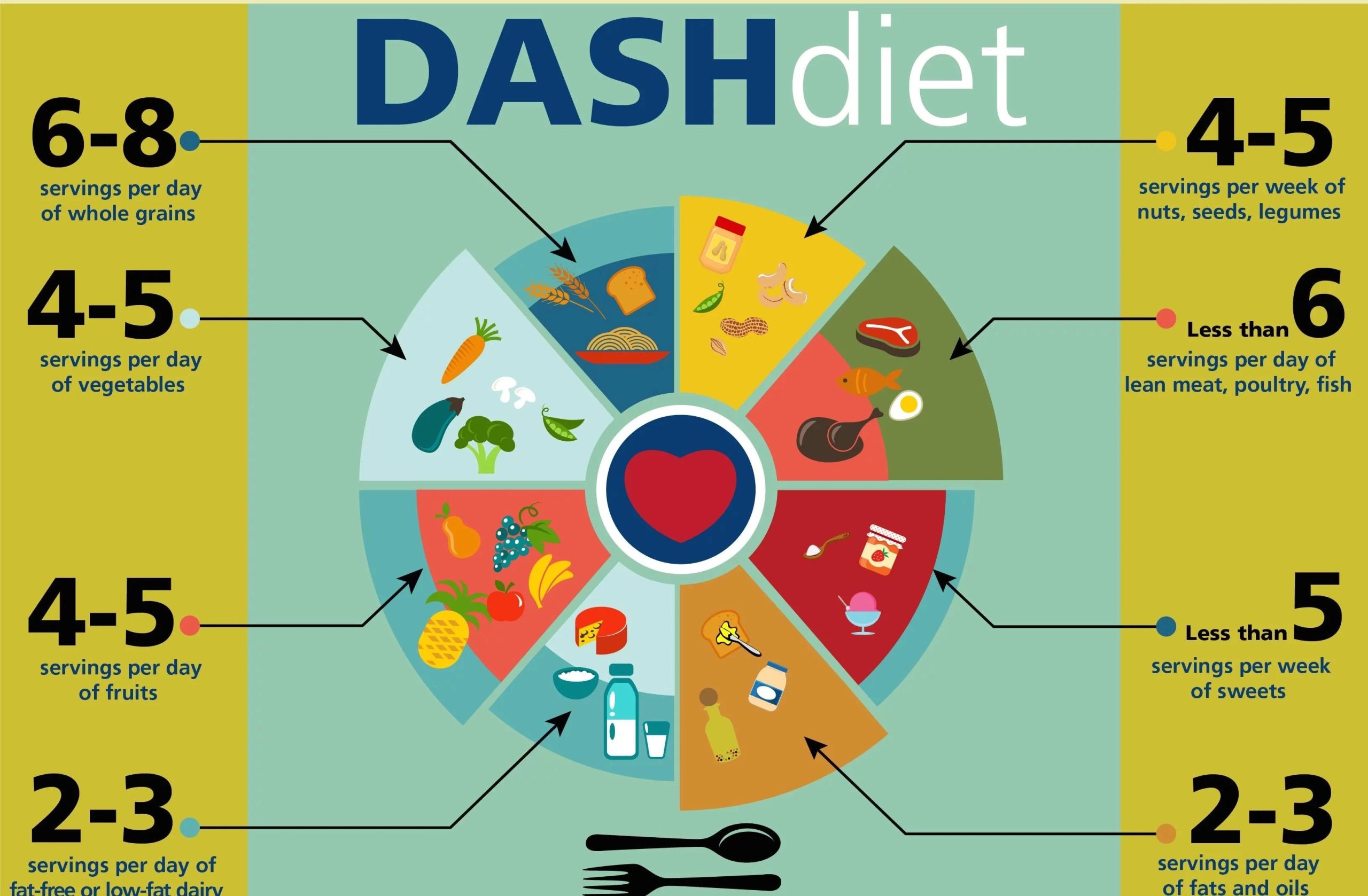
In a world where diets often come with a barrage of restrictions and bland meal plans, the DASH diet emerges as a refreshing alternative, proving that heart health doesn’t have to be synonymous with sacrifice. The acronym DASH stands for Dietary Approaches to Stop Hypertension, and it’s not just about lowering blood pressure; it’s about embracing a lifestyle centered around vibrant flavors, wholesome ingredients, and sustainable choices. Imagine a culinary landscape where colorful fruits and vegetables, lean proteins, whole grains, and tantalizing spices take center stage—this is the heart of the DASH diet. As we embark on this exploration of DASH, we’ll uncover its unique principles, delicious recipes, and the numerous benefits that accompany this flavorful path towards better health. Whether you’re seeking to improve your cardiovascular well-being or simply looking to savor nutritious meals, the DASH diet invites you to indulge in a heart-healthy journey that is as enjoyable as it is nourishing.
Table of Contents
- Exploring the Foundations of the DASH Diet for Optimal Heart Health
- Savory Strategies for Incorporating Fruits and Vegetables
- Seasoning Secrets: Flavorful Herbs and Spices to Enhance Your Meals
- Smart Swaps: Creating Balanced Dishes While Reducing Sodium
- The Conclusion
Exploring the Foundations of the DASH Diet for Optimal Heart Health
At the heart of the DASH Diet lies a focus on nutrient-dense foods that are designed to lower blood pressure and promote heart health. This dietary approach emphasizes the importance of a balanced intake of fruits, vegetables, whole grains, and lean proteins. By incorporating a variety of flavors and textures, the DASH Diet not only engages your taste buds but also supports cardiovascular functionality. Some of the key components include:
- Fruits: Rich in vitamins, minerals, and fiber.
- Vegetables: Packed with antioxidants and low in calories.
- Whole Grains: A great source of complex carbohydrates and fiber.
- Lean Proteins: Helps maintain muscle while reducing fat intake, beneficial for heart health.
- Low-fat Dairy: Provides calcium and vitamin D without excessive saturated fat.
Moreover, the DASH Diet encourages the reduction of processed foods high in sodium, sugars, and unhealthy fats. In place of these, herbs and spices are encouraged to enhance flavor without compromising health. The diet also promotes hydration, suggesting plenty of water consumption throughout the day. Let’s take a closer look at a simple comparison of the DASH Diet’s key food categories:
| Food Group | DASH Recommendations |
|---|---|
| Fruits | 4-5 servings per day |
| Vegetables | 4-5 servings per day |
| Whole Grains | 6-8 servings per day |
| Lean Proteins | 2 or fewer servings per day |
| Low-Fat Dairy | 2-3 servings per day |
Savory Strategies for Incorporating Fruits and Vegetables
Transforming the way you view fruits and vegetables is key to enhancing your meals while adhering to the DASH diet. These vibrant food groups can be seamlessly woven into a variety of dishes. Consider the following ideas:
- Salads with a Twist: Mix seasonal fruits like berries or citrus segments with leafy greens. A sprinkle of nuts or seeds can add an extra layer of texture.
- Savory Smoothies: Combine spinach or kale with a banana and almond milk for a nutrient-packed drink that’s both refreshing and filling.
- Roasted Vegetables: Roasting brings out the natural sweetness of vegetables. Try carrots, sweet potatoes, and brussels sprouts tossed with herbs and a drizzle of olive oil.
- Fruit Salsas: Diced mango or pineapple paired with diced jalapeños, cilantro, and lime juice makes a delicious topping for grilled chicken or fish.
Incorporating fruits and vegetables into heart-healthy meals can also be accomplished through creative cooking techniques. Here are ways to enhance flavor profiles while benefiting from their nutritional value:
- Infused Broths: Use vegetable-based broths that are rich in onions, garlic, and herbs to cook grains or legumes — adding subtle yet impactful flavors.
- Stuffed Vegetables: Hollow out bell peppers or zucchini and fill them with a mixture of whole grains, beans, and spices for a hearty main dish.
- Pasta Alternatives: Use spiralized vegetables, like zucchini or carrots, as a pasta substitute and toss with homemade marinara sauce and fresh basil.
- Creative Condiments: Blend fresh herbs and fruits with yogurt or tahini to create unique dips and dressings that elevate your meals.
Seasoning Secrets: Flavorful Herbs and Spices to Enhance Your Meals
Enhancing your meals with the right herbs and spices can transform your cooking while keeping it aligned with the DASH diet’s heart-healthy principles. When seeking to reduce sodium intake without sacrificing flavor, consider incorporating fresh herbs like basil, cilantro, and rosemary. These aromatic additions not only elevate the taste of your dishes but also contribute valuable nutrients. For a delightful kick, don’t overlook the power of spices such as paprika, cumin, and turmeric, which can infuse your meals with depth and complexity. Experimenting with these ingredients allows you to create vibrant dishes that are both satisfying and beneficial for your heart health.
To help you navigate your seasoning choices, here’s a quick reference for the star players in your spice cabinet that can enhance the flavors while complementing the DASH diet:
| Herb/Spice | Flavor Notes | Best Pairings |
|---|---|---|
| Basil | Sweet and slightly peppery | Tomatoes, chicken, pasta |
| Cilantro | Fresh and zesty | Tacos, fish, salads |
| Turmeric | Earthy and warm | Rice, lentils, soups |
| Commin | Nuts and warm | Chili, stews, breads |
Utilizing these herbs and spices not only enhances the taste but also provides an opportunity to explore global cuisines while adhering to dietary guidelines. Remember to adjust your salt intake by using aromatics as a substitute. For a unique flavor twist, consider infusing your oils or vinegars with various herbs, allowing you to create custom dressings that are both delicious and heart-healthy. By making these flavorful substitutions, you can unlock a world of tastes that promote wellness while satisfying your culinary cravings.
Smart Swaps: Creating Balanced Dishes While Reducing Sodium
Elevate your meals by making simple substitutions that enhance flavor without relying on sodium. Begin by swapping traditional cooking methods for more wholesome practices, such as:
- Herbs and spices: Replace salt with fresh herbs like basil, cilantro, or parsley, and spices such as cumin and paprika to create vibrant taste profiles.
- Acidic components: Use lemon juice, vinegar, or even pomegranate juice to add brightness and depth that can replace the need for salt.
- Low-sodium options: Opt for low-sodium broth or sauces, which can provide a savory base for soups and stews without excess sodium.
Additionally, rethink ingredient pairings to create naturally flavorful dishes. Consider the following combinations for balanced meals that keep sodium levels in check:
| Ingredient | Smart Swap |
|---|---|
| Salted nuts | Unsalted roasted nuts with herbs |
| Canned vegetables | Fresh or frozen vegetables with seasoning |
| Regular soy sauce | Low-sodium soy sauce or tamari |
| Processed cheese | Fresh cheeses like ricotta or goat cheese |
The Conclusion
As we conclude our exploration of the DASH diet—a culinary journey brimming with vibrant flavors and healthful choices—it’s clear that embracing this approach can lead to profound benefits for both heart health and overall wellness. By prioritizing nutrient-rich foods and adopting mindful eating habits, we not only nourish our bodies but also enrich our lives with the joy of diverse tastes and textures. Whether you’re looking to lower blood pressure, maintain a healthy weight, or simply enjoy a more balanced lifestyle, the DASH diet offers a compelling roadmap. So why not take the plunge? Unlocking the DASH diet is not just about dietary restrictions; it’s about celebrating food as a source of health, happiness, and vitality. Embrace the journey, savor the flavors, and step confidently toward a heart-healthy future.