


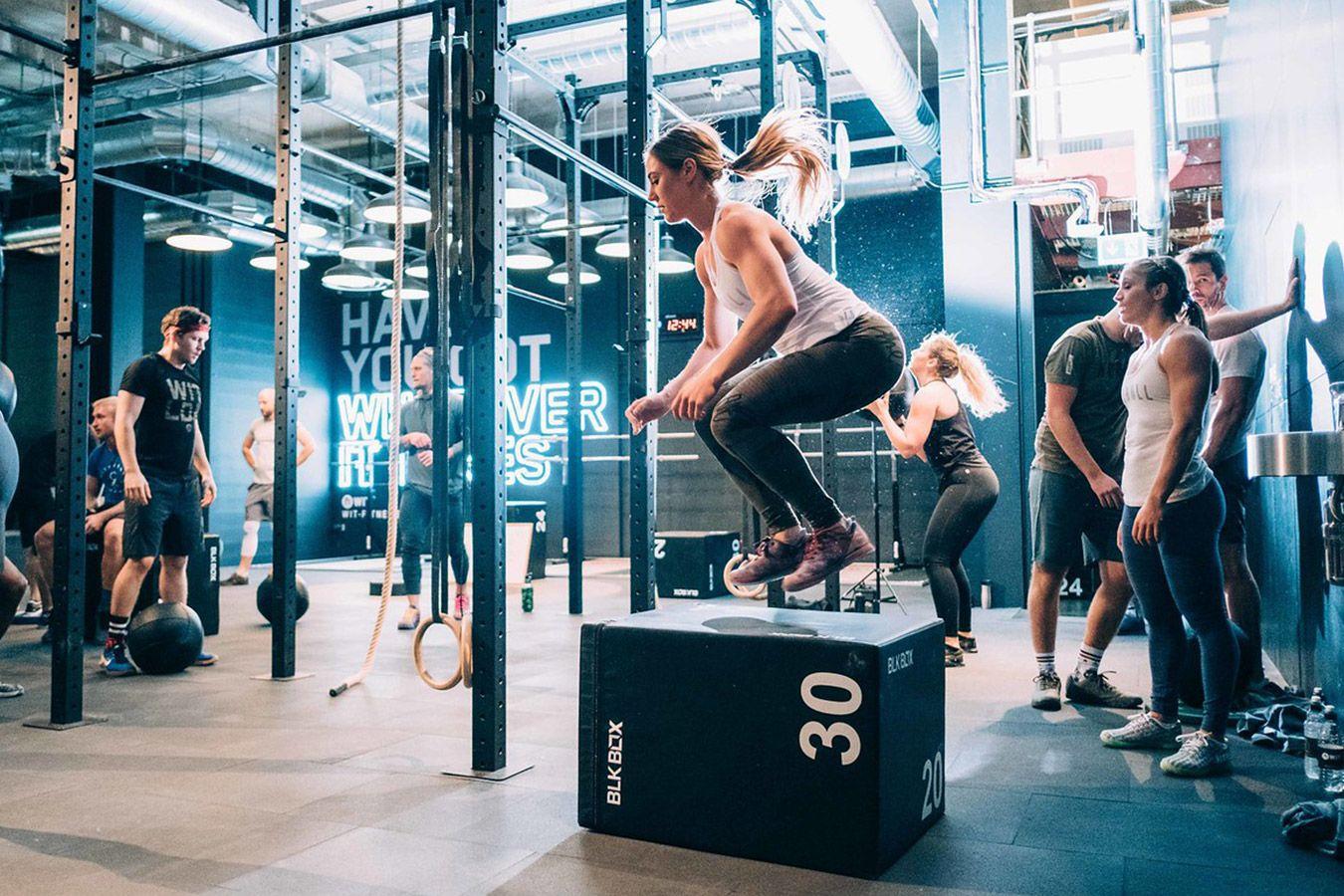
In a world where fitness trends come and go, one approach stands resilient, proving itself time and time again: functional fitness. As our daily lives become more demanding, the need for a fitness regimen that not only sculpts our bodies but also enhances our ability to navigate the challenges of everyday living has never been more apparent. Functional fitness transcends the traditional confines of the gym, emphasizing movements that mirror the activities we perform each day, from lifting groceries to climbing stairs. This article delves into the transformative power of functional fitness, exploring its principles, benefits, and practical applications that empower individuals to redefine their physical capabilities. Join us on a journey to discover how functional fitness can not only reshape your body but also enrich your life, equipping you with the strength, flexibility, and resilience to thrive in every aspect of your day-to-day existence.
Table of Contents
- Unleashing Your Potential: Understanding Functional Fitness
- Building a Strong Foundation: Key Exercises for Everyday Life
- Mind-Body Connection: The Role of Mobility and Flexibility
- Setting Goals for Success: Crafting a Personalized Functional Fitness Plan
- Wrapping Up
Unleashing Your Potential: Understanding Functional Fitness
Functional fitness is about more than just lifting weights or running marathons; it emphasizes movement patterns that translate to real-life activities. This training approach focuses on developing strength, flexibility, endurance, and coordination—key components that enhance everyday tasks. Incorporating exercises that mimic daily activities helps individuals approach their fitness with a sense of purpose. By engaging core muscle groups, functional fitness workouts are designed to foster energy efficiency and body awareness, making physical tasks less taxing and more enjoyable.
Key benefits of embracing a functional fitness regimen include:
- Enhanced Performance: Improve your movements in sports and daily activities.
- Reduced Injury Risk: Strengthen muscles and joints through balanced training.
- Better Posture and Balance: Develop core stability for improved alignment.
- Functional Flexibility: Increase your range of motion for greater efficiency.
To illustrate the types of exercises included in functional fitness, consider this table comparing traditional exercises with functional alternatives:
| Traditional Exercise | Functional Alternative |
|---|---|
| Bench Press | Push-Up |
| Leg Press | Squat |
| Crunches | Planks |
| Deadlifts | Kettlebell Swings |
Building a Strong Foundation: Key Exercises for Everyday Life
To truly embrace functional fitness, it’s essential to incorporate exercises that mimic the movements you make in everyday life. These exercises engage multiple muscle groups simultaneously, ensuring that your body becomes adept at handling daily tasks with ease. Consider integrating squats, which strengthen your legs and core while helping with activities like sitting and standing. Push-ups are another fantastic choice, as they bolster upper body strength and improve endurance, translating to greater efficiency in lifting and carrying objects. Additionally, focusing on lunges can enhance your balance and coordination, critical for activities such as climbing stairs or walking on uneven terrain.
Another cornerstone of functional fitness is core stability. Without a solid foundation, maintaining proper posture and executing movements efficiently becomes challenging. To develop core strength, incorporate planks and their various modifications; they engage your entire core, promoting stability and endurance. Moreover, don’t underestimate the power of incorporating deadlifts into your routine; they can significantly improve your lifting mechanics, ensuring safety while engaging in heavy-duty tasks. Lastly, consider adding flexibility exercises like dynamic stretches and yoga into your regimen. Not only will they enhance your range of motion, but they’ll also improve your overall functionality in daily activities, ensuring you remain agile and capable.
Mind-Body Connection: The Role of Mobility and Flexibility
The relationship between the mind and body is often overlooked in the quest for physical fitness, yet it plays a pivotal role in how we experience movement. Mobility and flexibility enable us to perform daily activities with ease, reducing the risk of injury and enhancing overall well-being. When we incorporate activities that promote these qualities into our routines, we not only improve our physical capabilities but also cultivate a sense of mindfulness that can transform our approach to fitness. This connection encourages us to listen to our bodies, recognizing when we need to push our limits or when to rest, making every movement intentional.
In functional fitness, the development of mobility and flexibility becomes essential for achieving optimal performance. Engaging in exercises that focus on these aspects can lead to numerous benefits:
- Enhanced Physical Performance: Increased range of motion improves strength and power.
- Reduced Muscle Tension: Flexibility helps alleviate tightness, leading to greater comfort during workouts.
- Improved Posture and Alignment: Better mobility contributes to a well-aligned body, minimizing strain on joints.
- Mental Clarity: The attention required for these practices fosters a deeper connection between movement and mindfulness.
Setting Goals for Success: Crafting a Personalized Functional Fitness Plan
Creating a personalized functional fitness plan begins with identifying your unique goals and understanding how they fit into your lifestyle. Whether your aim is to improve strength, enhance mobility, or boost overall endurance, setting specific and measurable objectives will keep you motivated. A well-defined goal could include:
- Increasing functional strength by performing bodyweight exercises three times a week.
- Enhancing flexibility through daily stretching routines or yoga sessions.
- Improving cardiovascular health by incorporating HIIT workouts into your regimen.
Once you have established your goals, it’s essential to devise a structured plan that includes a variety of exercises targeting different muscle groups. Additionally, tracking your progress can provide motivation and insights into your growth. Consider using a simple goal tracker table:
| Fitness Goal | Action Steps | Time Frame | Progress Indicator |
|---|---|---|---|
| Increase squat weight | Week 1-4: 3x/week strength training | 4 weeks | Weight lifted |
| Enhance core stability | Daily planks and balance exercises | 8 weeks | Duration held |
| Boost mile run time | Interval training once a week | 6 weeks | Time taken |
Wrapping Up
As we conclude our exploration of functional fitness, it’s clear that this empowering approach to movement offers more than just a pathway to physical transformation. It’s a holistic journey that intertwines strength, flexibility, and endurance with the practical demands of everyday life. By embracing the principles of functional fitness, you’re not just reshaping your body; you’re fortifying your ability to navigate the world with agility and resilience.
Imagine lifting your child with ease, tackling stairs effortlessly, or simply enjoying daily activities without discomfort. These are the tangible rewards of a functional fitness regimen that extends beyond the gym and infiltrates your daily routines, enhancing your quality of life.
So, whether you’re stepping onto the gym floor for the first time or looking to reinvigorate your current routine, remember that the power of functional fitness lies not just in how you move, but in how you live. Transform your body, and you may just transform your life. It’s time to embrace the movement that prepares you for whatever comes next. What will your functional fitness journey look like? The choice is yours.