


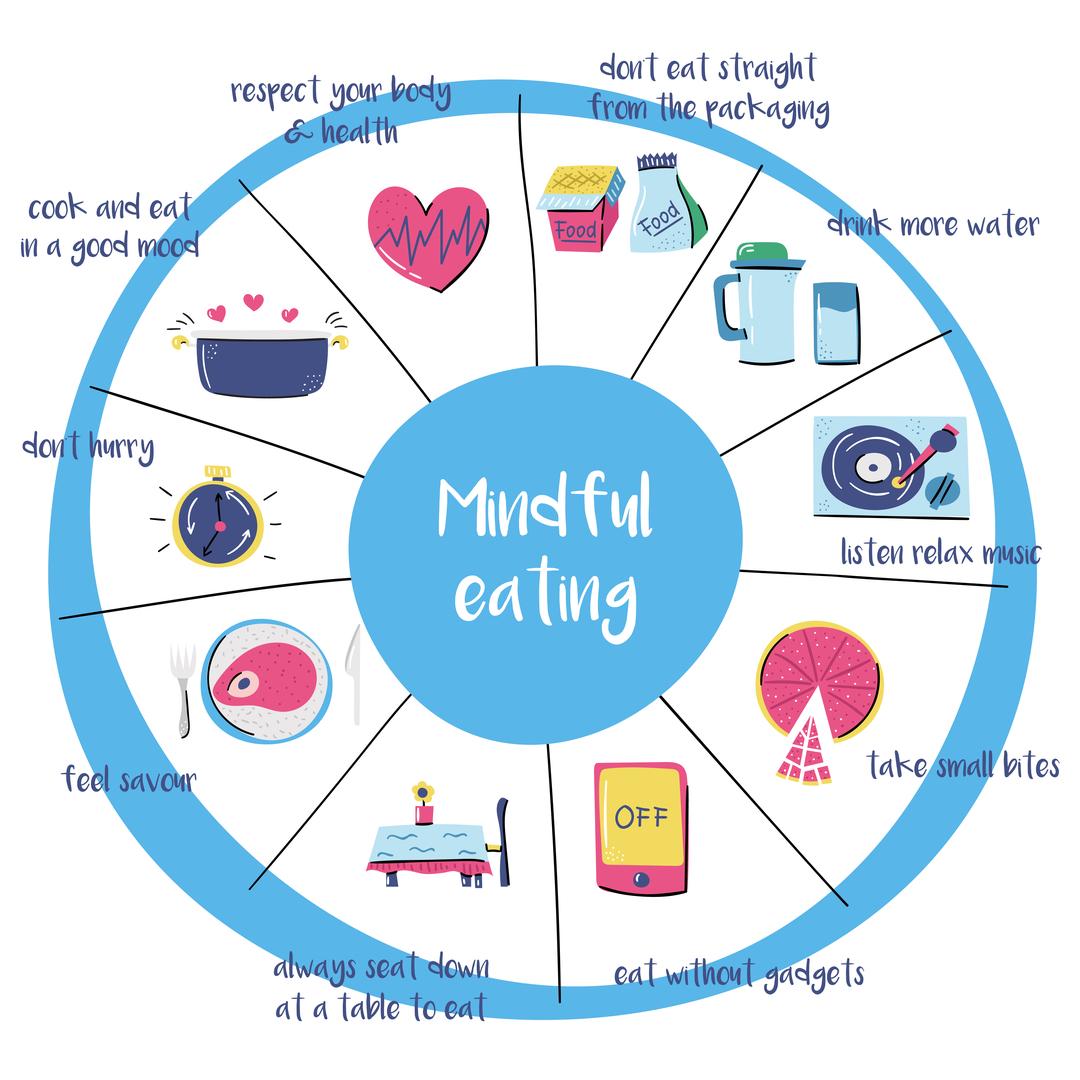
In a world that often glorifies speed and convenience, our relationship with food has easily slipped into a hurried routine, where meals are consumed on the go, and flavors fade into the background of a bustling lifestyle. Yet, beneath the surface of our daily dining habits lies a profound opportunity for transformation. “” invites you to step away from the clamor of modern eating and embrace a more intentional approach. Mindful eating transcends mere calorie counting or restrictive diets; it is a practice that encourages awareness, appreciation, and a deeper connection with our meals. In this article, we will explore the principles of mindful eating and its powerful potential to aid in sustainable weight loss while enriching your overall enjoyment of food. Prepare to embark on a journey where each bite becomes a mindful experience, and your plate transforms into a canvas of healthful choices that nourish both body and soul.
Table of Contents
- Embracing the Present Moment: The Foundation of Mindful Eating
- The Sensory Experience: Engaging Your Senses to Enhance Satisfaction
- Portion Perception: Rethinking Serving Sizes for Sustainable Weight Loss
- Cultivating Healthy Habits: Practical Strategies to Integrate Mindful Eating into Daily Life
- In Conclusion
Embracing the Present Moment: The Foundation of Mindful Eating
In a world filled with distractions, taking a moment to fully engage with your meals can transform not just your plate, but your entire relationship with food. Mindful eating is not merely about what we eat, but how we eat. It encourages us to slow down and appreciate the texture, taste, and aroma of each bite, fostering a deeper connection to our body’s hunger cues. This practice can help in recognizing the difference between emotional and physical hunger, ultimately guiding us towards more conscious choices. By focusing on the present moment, we can cultivate an increased awareness that leads to healthier decisions and satisfaction, making our meals a source of nourishment and joy rather than guilt or mindlessness.
- Heightened Awareness: Tune into the flavors and sensations of the food.
- Emotional Connection: Understand why we reach for food during emotional times.
- Intentional Choices: Make decisions that align with health goals rather than cravings.
Moreover, embracing the present moment allows us to truly savor our meals, which can significantly impact our satisfaction levels and overall well-being. Studies suggest that people who eat mindfully tend to consume fewer calories and develop a greater appreciation for food. Mindful eating also fosters a sense of gratitude for the sustenance we receive, whether it’s a simple fruit or a complex dish. Here’s a small table highlighting mindfulness practices to incorporate during meals:
| Mindfulness Practice | Description |
|---|---|
| Breathing Exercise | Take a few deep breaths before starting your meal. |
| Silence | Dedicate a minute of silence to appreciate your food. |
| Chewing Reflection | Chew slowly and reflect on the flavors with each bite. |
The Sensory Experience: Engaging Your Senses to Enhance Satisfaction
Transforming your dining experience begins with engaging your senses fully, allowing you to savor every bite and enhance your overall satisfaction. When you sit down to eat, take a moment to admire the presentation of your meal. Notice the vibrant colors of fresh vegetables, the enticing aroma of herbs and spices, and the comforting textures of your food. By focusing on these sensory elements, you increase your awareness of portion sizes and the flavors on your plate, which can naturally lead to healthier eating habits. Here are some ways to enhance your sensory experience:
- Visual Appeal: Arrange your food in an aesthetically pleasing way, using contrasting colors and shapes.
- Aromatherapy: Incorporate fragrant herbs that stimulate your sense of smell and enhance flavor.
- Texture Variety: Include a mix of crunchy, creamy, and chewy elements to make each bite more enjoyable.
Moreover, taking the time to cultivate mindfulness while eating can profoundly impact your satisfaction levels. Slow down and chew your food thoroughly, allowing the flavors to linger. Pay attention to the sensations as you eat—how the taste changes with each bite and how the food feels in your mouth. Consider this simple table to illustrate the relationship between sensory engagement and enjoyment:
| Sense | Engagement Techniques | Impact on Satisfaction |
|---|---|---|
| Sight | Garnish your plates | Increases anticipation |
| Smell | Use aromatic spices | Enhances appetite |
| Taste | Balance flavors | Boosts enjoyment |
| Touch | Experiment with textures | Creates a richer experience |
| Sound | Enjoy crunchiness | Heightens satisfaction |
Portion Perception: Rethinking Serving Sizes for Sustainable Weight Loss
Rethinking serving sizes begins with understanding the impact of our perceptions on our eating habits. Often influenced by external cues, we might not realize how a larger plate can lead to larger portions. To encourage a healthier relationship with food, it’s essential to adopt mindful eating practices that emphasize balance and portion control. This can be achieved through strategies such as:
- Using smaller plates to create visual cues that signal satisfaction.
- Practicing portion awareness by measuring servings rather than eyeballing them.
- Eating slowly and without distraction, allowing the body to register fullness effectively.
To truly master the art of intentional eating, consider keeping a food journal. Documenting what you consume can provide insights into your eating patterns. Additionally, an understanding of recommended serving sizes can further aid in this journey. Here’s a simple table highlighting common food items with suggested portions:
| Food Item | Suggested Portion Size |
|---|---|
| Cooked Rice | 1/2 cup |
| Lean Protein (Chicken/Tofu) | 3 ounces |
| Vegetables | 1 cup |
| Fruits | 1 medium size |
Cultivating Healthy Habits: Practical Strategies to Integrate Mindful Eating into Daily Life
To seamlessly incorporate mindful eating into your daily routine, start by fostering an environment that encourages awareness during meals. This can be achieved through simple rituals such as preparing your meals with intention and eliminating distractions while eating. Consider the following tips to create a mindful eating experience:
- Savor Each Bite: Take the time to chew slowly and appreciate the flavors and textures of your food.
- Eliminate Distractions: Turn off the television, put away your phone, and focus solely on your meal.
- Portion Control: Serve smaller portions to avoid mindless eating and allow yourself to ask for more only if you’re genuinely still hungry.
Additionally, keeping a food journal can be an excellent way to track your eating habits and identify patterns. Documenting your meals not only promotes accountability but also helps you tune into your body’s cues for hunger and fullness. Here’s a simple format to get you started:
| Date | Meal | Feelings | Hunger Level (1-10) |
|---|---|---|---|
| MM/DD/YYYY | Breakfast/Lunch/Dinner | Describe your mood | 1-10 |
| MM/DD/YYYY | Breakfast/Lunch/Dinner | Describe your mood | 1-10 |
By gaining insights into your eating habits through these practices, you can better understand the relationship between your emotions and eating, thus paving the way for a more mindful approach to your meals and overall well-being.
In Conclusion
As you embark on the journey of transforming your plate, remember that mindful eating is not merely a method—it’s an art form. It invites you to savor each bite, tune into your body’s true hunger cues, and build a healthier relationship with food. By engaging all your senses, this practice allows you to unlock the flavors and textures of your meals, turning every dining experience into a celebration of nourishment rather than a mere routine.
In embracing this holistic approach to eating, you’re not just striving for weight loss; you’re cultivating a lifestyle that honors your body and its needs. Now, as you step away from this exploration of mindful eating, carry with you the knowledge and inspiration to make intentional choices that resonate with both your palate and your well-being.
Transforming your plate is a personal journey, one that evolves with you. So, take a moment—slow down, enjoy, and let the art of mindful eating guide you toward a happier, healthier self. Bon appétit!