


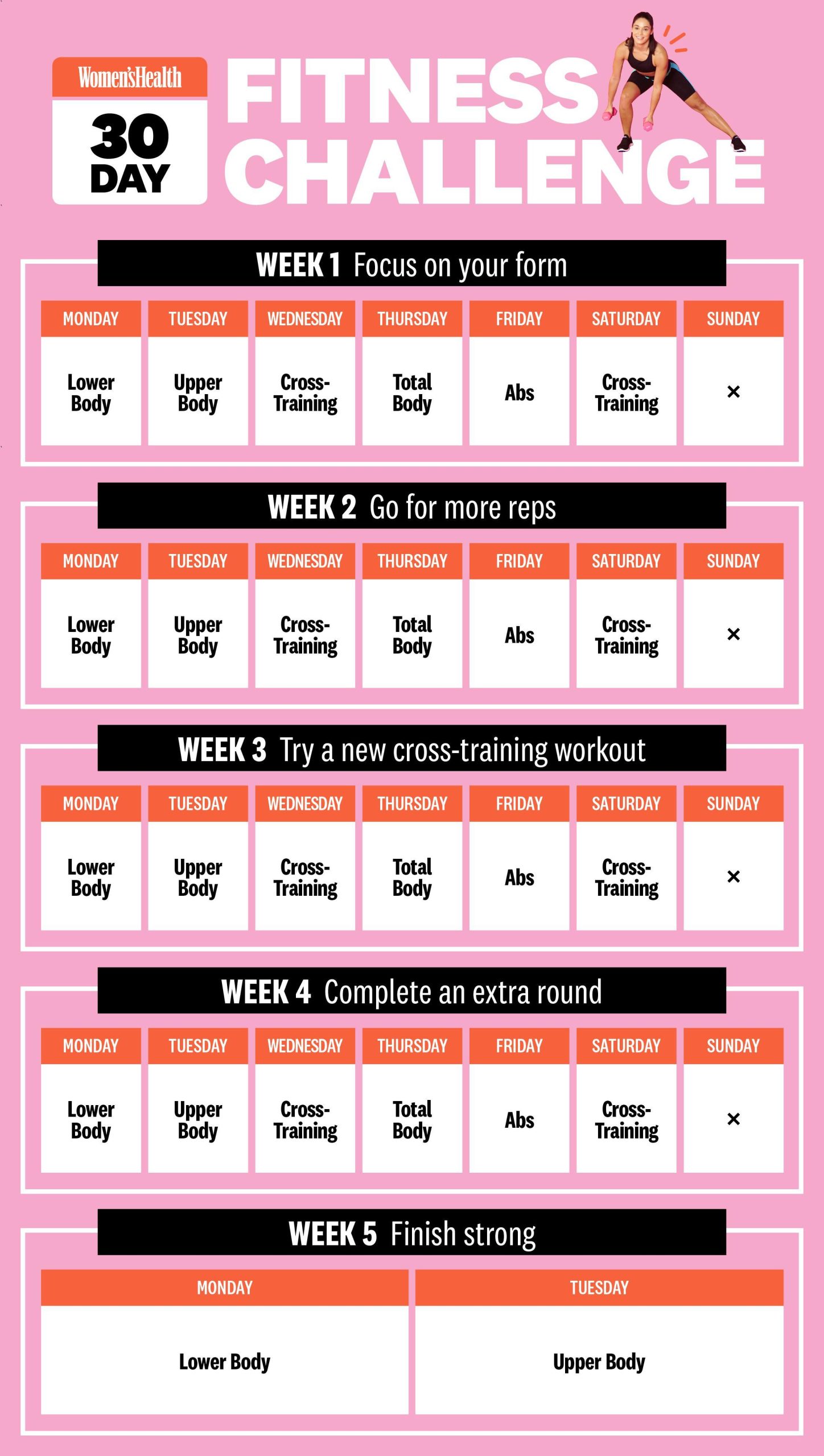
In the pursuit of better health and fitness, understanding how to initiate a workout routine can be both exciting and overwhelming for beginners. With a plethora of options available—from strength training to cardiovascular exercises—newcomers often face the challenge of selecting the most suitable approach to meet their personal goals. This comprehensive guide aims to demystify the process of starting a workout regimen by outlining effective routines that cater specifically to beginners. By emphasizing the importance of gradual progression, proper techniques, and consistency, this article will provide invaluable insights and practical strategies to help individuals embark on their fitness journeys with confidence and clarity. Whether the goal is to improve overall health, increase strength, or enhance endurance, this guide serves as a foundational resource for anyone looking to establish a sustainable and rewarding workout routine.
Table of Contents
- Understanding the Fundamentals of Effective Workout Routines
- Identifying Suitable Workout Types for Beginners
- Building a Balanced Weekly Fitness Schedule
- Tips for Maintaining Motivation and Progress Monitoring
- Final Thoughts
Understanding the Fundamentals of Effective Workout Routines
To establish a solid workout routine, it’s essential to grasp some fundamental principles that optimize your training outcomes. Begin by emphasizing goal-setting: identify what you aim to achieve, whether it’s weight loss, muscle gain, or overall fitness improvement. Next, incorporate variety in your exercises to prevent boredom and to engage different muscle groups. Consider a balanced mix of cardio, strength training, and flexibility workouts. Additionally, ensure you maintain a consistent schedule; consistency is key to building a habit and seeing results over time.
Moreover, understanding your body’s capabilities and limitations is crucial for crafting effective routines. Always listen to your body and incorporate proper warm-ups and cooldowns to reduce the risk of injury. It’s also important to keep track of your workouts and progress, which can be easily achieved through a simple log. Here’s a brief table that outlines various workout components to consider:
| Workout Component | Description | Frequency |
|---|---|---|
| Cardio | Enhances cardiovascular health and burns calories | 3-5 times/week |
| Strength Training | Builds muscle and boosts metabolism | 2-4 times/week |
| Flexibility | Improves range of motion and reduces soreness | Daily or as needed |
Identifying Suitable Workout Types for Beginners
When starting a fitness journey, it’s essential to choose workouts that align with your current fitness level and interests. Suitable options for beginners include low-impact exercises that enhance cardiovascular health, strength training that builds muscle without overexertion, and flexibility routines that promote overall movement efficiency. Consider the following types of workouts:
- Walking or Jogging: A simple yet effective way to improve endurance.
- Bodyweight Exercises: Movements like squats, push-ups, and lunges to develop strength.
- Yoga: Ideal for enhancing flexibility and relaxation.
- Pilates: Focuses on core strength and stability.
- Swimming: A full-body workout that protects joints.
It’s beneficial to incorporate variegated routines to keep you motivated while allowing your body to adapt to the physical demands. Here’s a simple weekly workout structure that beginners can follow:
| Day | Workout Type | Duration |
|---|---|---|
| Monday | Walking | 30 minutes |
| Tuesday | Bodyweight Exercises | 20 minutes |
| Wednesday | Yoga | 30 minutes |
| Thursday | Rest | – |
| Friday | Swimming | 30 minutes |
| Saturday | Pilates | 25 minutes |
| Sunday | Rest | – |
Building a Balanced Weekly Fitness Schedule
Creating a well-rounded fitness schedule is crucial for beginners aiming to build strength, improve endurance, and maintain motivation. To achieve this balance, consider incorporating a combination of aerobic, strength training, flexibility, and recovery workouts throughout the week. A structured week may look like this:
- Monday: 30 minutes of brisk walking or jogging
- Tuesday: Full-body strength training (using bodyweight or light weights)
- Wednesday: Rest day or light yoga
- Thursday: 30 minutes of cycling or swimming
- Friday: Upper body strength exercises
- Saturday: 30 minutes of active recreational activities (hiking, dancing)
- Sunday: Rest day with gentle stretching
It’s important to listen to your body and adjust your schedule according to your energy levels and progress. Prioritize consistency over intensity; building a habit is key. A sample table highlighting the focus of each day may also be useful:
| Day | Workout Focus |
|---|---|
| Monday | Aerobic Exercise |
| Tuesday | Strength Training |
| Wednesday | Recovery |
| Thursday | Aerobic Exercise |
| Friday | Strength Training |
| Saturday | Active Leisure |
| Sunday | Rest & Stretch |
Tips for Maintaining Motivation and Progress Monitoring
To stay on track with your fitness goals, it’s essential to implement strategies that foster ongoing motivation. First, set realistic and achievable goals that help you progress gradually, as this makes the journey more manageable. Break larger objectives into smaller milestones, which not only feel more attainable but also provide opportunities for celebration and reinforcement of your commitment. Additionally, consider finding a workout buddy or joining a local class; social support can significantly enhance your motivation and accountability. Don’t forget to keep your workouts enjoyable; mixing up your routine with different exercises can keep things fresh and stimulating.
Monitoring your progress is equally important for sustaining motivation. Utilize tools such as journals or mobile apps to track your workouts, including repetitions, weights lifted, and duration of exercises. This not only holds you accountable but also allows you to visualize your improvements over time. It’s beneficial to take regular assessments, such as measuring your body metrics or fitness levels, to adjust your routine accordingly. Here’s a simple table that outlines effective methods for tracking your progress:
| Tracking Method | Details |
|---|---|
| Workout Journal | Record exercises, reps, and weight every session. |
| Mobile Fitness Apps | Log workouts, set reminders, and track progress visually. |
| Progress Photos | Take weekly photos to see visual changes in your body. |
| Body Measurements | Measure waist, hips, arms, and legs monthly. |
Final Thoughts
embarking on a fitness journey as a beginner can be both exciting and challenging. This comprehensive guide has outlined essential workout routines that cater to various fitness levels and preferences, emphasizing the importance of building a solid foundation. By understanding key principles such as frequency, intensity, and variety, beginners can develop effective habits that promote long-term health and well-being. Remember to listen to your body, prioritize good form, and set realistic goals to stay motivated. With dedication and consistency, you can create a sustainable workout routine that suits your needs and paves the way for continued progress and enjoyment in your fitness journey.