


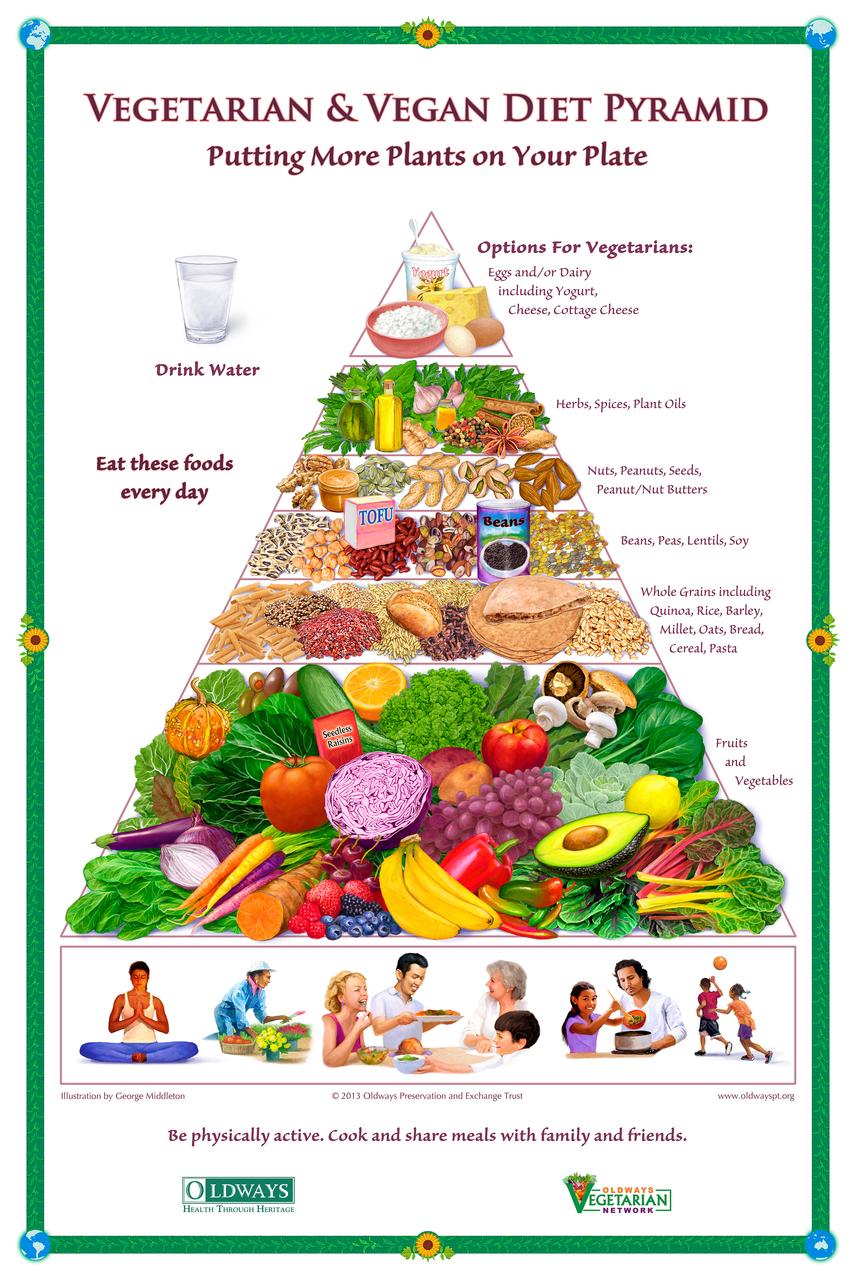
In a world increasingly attuned to the nuances of health and wellness, the vegan diet emerges as both a tantalizing choice and a topic of lively debate. For many, embarking on a plant-based journey promises a bounty of benefits, from personal health improvements to a more sustainable way of living. Yet alongside these alluring advantages lie a tapestry of myths and misunderstandings that can cloud the waters of this dietary shift. In this article, we invite you to explore the multifaceted landscape of veganism—delving into the real benefits that a plant-based lifestyle can offer while unraveling the misconceptions that often accompany it. Whether you’re a seasoned vegan, a curious omnivore, or simply someone interested in the latest trends in nutrition, join us as we navigate the vibrant world of veganism, celebrating its potential and dissecting the myths that might hold it back.
Table of Contents
- Understanding the Health Advantages of a Vegan Lifestyle
- Debunking Common Myths Surrounding Veganism
- Sustainable Choices: The Environmental Impact of Plant-Based Eating
- Navigating Nutritional Needs: Tips for a Balanced Vegan Diet
- In Retrospect
Understanding the Health Advantages of a Vegan Lifestyle
The decision to adopt a vegan lifestyle offers a multitude of health advantages that can significantly enhance one’s overall well-being. Research has consistently shown that a plant-based diet is linked to lower risks of chronic diseases such as heart disease, type 2 diabetes, and certain cancers. By embracing whole foods like fruits, vegetables, legumes, and grains, individuals may benefit from a natural reduction in saturated fat intake while increasing their intake of essential nutrients. A vegan diet is often rich in fiber, antioxidants, and phytochemicals, which contribute to improved digestion and can support a robust immune system.
Moreover, the potential weight management benefits of going vegan are notable, as individuals often find themselves consuming fewer calories while still feeling satiated. This shift can lead to effective weight loss without the necessity of stringent calorie counting. Beyond physical health, many vegans report heightened energy levels and increased mental clarity, likely due to a diet abundant in nutrient-dense foods. Consider the following table that summarizes the health benefits of a vegan lifestyle:
| Health Goals | Vegan Benefits |
|---|---|
| Heart health | Lower cholesterol levels |
| Weight management | Reduced body mass index (BMI) |
| Digestive wellbeing | Improved gut health due to high fiber |
| Reduced inflammation | Antioxidants combat oxidative stress |
Debunking Common Myths Surrounding Veganism
Many people hold misconceptions about veganism, believing that it leads to nutritional deficiencies or that it’s inherently an extreme lifestyle. However, the reality is that a well-planned vegan diet can be remarkably balanced and rich in essential nutrients. Contrary to popular belief, vegans can adequately obtain protein, iron, calcium, and vitamin B12 through a variety of plant-based sources. Foods such as lentils, chickpeas, tofu, quinoa, and fortified plant milks offer abundant nutrients that meet dietary requirements without the need for animal products.
Another common myth is that being vegan means sacrificing taste and satisfaction. On the contrary, the vegan culinary world is bursting with innovative dishes that celebrate flavors and textures. Many plant-based ingredients like spices, herbs, and varied cooking techniques can transform simple foods into gourmet meals. Here’s a quick comparison of classic dishes and their vegan counterparts to illustrate this point:
| Traditional Dish | Vegan Version |
|---|---|
| Beef Tacos | Jackfruit Tacos |
| Chicken Alfredo | Creamy Cauliflower Alfredo |
| Egg Salad | Chickpea Salad |
Sustainable Choices: The Environmental Impact of Plant-Based Eating
Adopting a plant-based diet offers a multitude of environmental benefits that extend far beyond individual health. The agriculture sector, particularly animal farming, is a significant contributor to greenhouse gas emissions, deforestation, and water depletion. By choosing to embrace more plant-based meals, we can:
- Reduce carbon footprint: Plant-based diets require less energy, land, and water compared to meat production.
- Conserve water: Producing plant foods typically necessitates far less water than raising livestock.
- Support biodiversity: Shifting demand from animal products helps preserve natural ecosystems threatened by agricultural expansion.
While the benefits are clear, it’s also essential to address misconceptions surrounding veganism. Many believe that a plant-based diet is inherently lacking in nutrients. However, when appropriately planned, it can provide all necessary vitamins and minerals. A well-rounded vegan diet typically includes a variety of foods, such as:
| Food Group | Examples | Nutritional Benefit |
|---|---|---|
| Legumes | Beans, lentils, chickpeas | High in protein and fiber |
| Whole Grains | Quinoa, brown rice, oats | Rich in vitamins and minerals |
| Fruits & Vegetables | Berries, kale, sweet potatoes | Packed with antioxidants and vitamins |
Navigating Nutritional Needs: Tips for a Balanced Vegan Diet
Maintaining a balanced vegan diet requires a thoughtful approach to ensure all nutritional needs are met. Plant-based diets can be rich in essential vitamins and minerals, but it’s important to pay attention to specific nutrients that may require extra focus. Here are some tips to consider:
- Incorporate a Variety of Foods: Diversifying your diet with fruits, vegetables, whole grains, legumes, nuts, and seeds helps ensure you receive a broad spectrum of nutrients.
- Prioritize Protein Sources: Include protein-rich foods such as lentils, chickpeas, quinoa, tofu, and tempeh to meet your daily protein needs.
- Watch for Vitamin B12: Since B12 is primarily found in animal products, consider fortified foods or a supplement to avoid deficiencies.
- Focus on Omega-3 Fatty Acids: Including flaxseeds, chia seeds, and walnuts can help provide the essential fats necessary for brain health.
To simplify meal preparation, consider this quick reference table highlighting some nutrient sources in a vegan diet:
| Nutrient | Sources |
|---|---|
| Calcium | Fortified plant milks, tofu, leafy greens |
| Iron | Legumes, lentils, quinoa, pumpkin seeds |
| Zinc | Nuts, seeds, whole grains |
| Vitamin D | Fortified foods, sunshine |
By understanding and addressing these nutritional aspects, embarking on a vegan diet can be a fulfilling journey, rich in diversity and health benefits.
In Retrospect
embarking on a vegan diet journey can be both enlightening and transformative. As we’ve explored, the benefits of adopting a plant-based lifestyle can extend far beyond personal health, influencing environmental sustainability and ethical considerations as well. While it’s essential to dispel the myths that often shroud veganism in misunderstanding, the truth lies in the nuances of individual experiences and choices.
Whether you choose to embrace a fully vegan lifestyle or incorporate more plant-based meals into your routine, the key is to communicate with your body and nourish it in ways that feel right for you. As you weigh the pros and cons, remember that each journey is unique, and there’s no one-size-fits-all approach. The most important takeaway is to remain curious, open-minded, and informed as you navigate your path.
Ultimately, the journey is just as significant as the destination. So, as you consider the benefits and deconstruct the myths surrounding a vegan diet, may you find both inspiration and understanding in your culinary adventures. Happy exploring!