


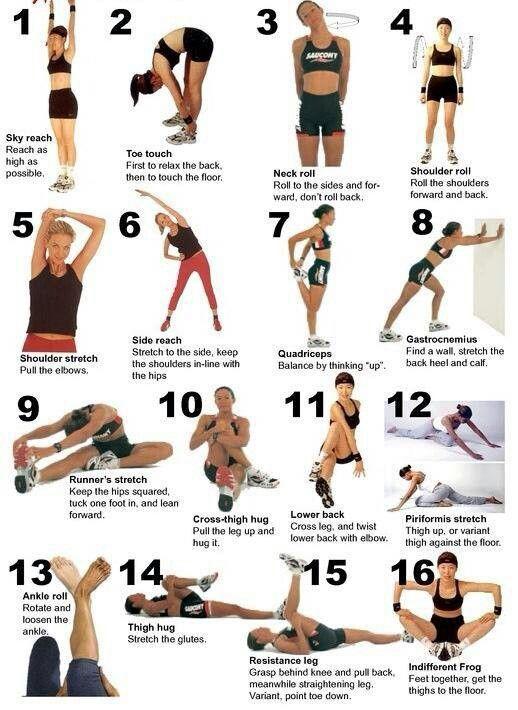
In a world that often prioritizes haste over harmony, the simple act of stretching can become a profound practice of self-care and wellness. As we navigate through our daily lives, our bodies bear the weight of stress and tension, coiling tightly much like a spring. Yet, in unlocking the power of stretching and flexibility, we open the door to not just physical relief, but a holistic approach to well-being that rejuvenates the mind and nourishes the spirit. This article delves into the transformative potential of incorporating stretching into our routines—exploring its benefits, techniques, and the subtle yet powerful ways it can enhance our quality of life. Join us on a journey to discover how the art of flexibility can enrich our bodies and elevate our wellness in a fast-paced world.
Table of Contents
- Understanding the Science Behind Stretching and Flexibility
- Incorporating Stretching into Your Daily Routine
- Targeted Techniques for Enhanced Flexibility
- The Long-Term Benefits of a Flexible Lifestyle
- In Conclusion
Understanding the Science Behind Stretching and Flexibility
At its core, stretching is a fascinating physiological process that promotes greater flexibility by manipulating the muscle fibers and connective tissues surrounding the joints. When we stretch, we elongate muscle cells and trigger a complex series of responses—most notably, the activation of sensory receptors known as proprioceptors. These sensors help our body recognize its position in space and play a crucial role in preventing injuries. Importantly, stretching also increases blood flow to the muscles, delivering vital nutrients and oxygen, which can enhance athletic performance and improve recovery times.
Flexibility itself is influenced by a myriad of factors, including age, gender, and activity levels. Regular stretching practice can effectively counteract the natural decline in flexibility that often accompanies aging. Here’s a quick look at factors affecting flexibility:
- Age: Younger individuals often have greater flexibility compared to their older counterparts.
- Gender: Women generally tend to be more flexible than men due to anatomical and hormonal differences.
- Activity Level: Regular activity or sports participation can greatly enhance one’s range of motion.
| Factor | Impact on Flexibility |
|---|---|
| Age | Reduced flexibility over time |
| Gender | Women typically more flexible |
| Exercise | Improves range of motion |
| Genetics | Inherited flexibility patterns |
Incorporating Stretching into Your Daily Routine
can be a game changer for both your physical and mental health. Start with just a few minutes each day to unlock the benefits that come with increased flexibility and relaxation. Consider setting aside time in the morning to wake up your body or in the evening to unwind after a busy day. Here are some easy ways to seamlessly weave stretching into your lifestyle:
- Morning Routine: Begin your day with gentle stretches while still in bed.
- Desk Breaks: Use short breaks during work to stand up and stretch your arms and back.
- Before and After Exercise: Always include stretching as part of your warm-up and cool-down phases.
- TV Time: Take advantage of commercials or quiet moments during your favorite shows.
- Mindful Moments: Combine stretching with mindfulness practices, like yoga or meditation.
To ensure a balanced regimen, you might find it useful to track your progress and varying types of stretches. The following table showcases a simple weekly stretching plan that can guide your routine:
| Day | Focus Area | Duration |
|---|---|---|
| Monday | Upper Body | 10 minutes |
| Tuesday | Lower Body | 15 minutes |
| Wednesday | Full Body | 20 minutes |
| Thursday | Core | 10 minutes |
| Friday | Flexibility | 15 minutes |
Targeted Techniques for Enhanced Flexibility
To elevate your flexibility, integrating targeted techniques into your routine can yield substantial benefits. Incorporating static stretching, which involves holding a stretch for a period of time, can significantly enhance your range of motion. It is recommended to focus on major muscle groups, ensuring that you dedicate time to stretch areas such as your hamstrings, quadriceps, and shoulders. Additionally, utilizing dynamic stretching—movements performed in a controlled manner that mimic the activity you are about to perform—can prime your muscles and joints, increasing blood flow and preparing your body for exercise.
Moreover, exploring modalities such as yoga and Pilates offers a holistic approach to flexibility. Yoga focuses on breath control and mindfulness while guiding you through various poses that improve flexibility and balance. Pilates, on the other hand, emphasizes core strength and alignment, engaging your muscles in precise movements that promote flexibility. Here’s a quick overview of some effective techniques:
| Technique | Description |
|---|---|
| Static Stretching | Hold stretches for 15-60 seconds to increase flexibility. |
| Dynamic Stretching | Incorporate controlled movements before workouts. |
| Yoga | Enhances physical and mental flexibility through poses. |
| Pilates | Focuses on core strength and overall body alignment. |
The Long-Term Benefits of a Flexible Lifestyle
Embracing a lifestyle centered around flexibility can yield profound long-term benefits that extend far beyond physical health. When we actively incorporate stretching and mobility exercises into our daily routines, we cultivate improved posture, enhance joint health, and foster better circulation. This proactive approach not only helps in alleviating muscular tension but also plays a crucial role in maintaining a balance between strength and flexibility, which is essential to prevent injuries over time. Moreover, flexibility practices often promote a deeper sense of bodily awareness, allowing individuals to better understand their limits and capabilities, thus leading to more mindful movement and reduced strain during everyday activities.
Moreover, the myriad psychological benefits associated with a flexible lifestyle can significantly enhance overall well-being. Regularly engaging in flexibility exercises can lead to increased stress relief and improved mood, due to the endorphins released during physical activity. Additionally, incorporating these practices into routine can help strengthen mental resilience, cultivating a sense of achievement and self-discipline. Over time, as flexibility improves, individuals may find themselves more capable of adapting to life’s challenges, both physically and mentally. This newfound adaptability can create a ripple effect, fostering a positive outlook on life that encourages continuous learning and personal growth.
In Conclusion
As we wrap up this exploration into the transformative world of stretching and flexibility, it’s clear that these practices serve as a key to unlocking the full potential of our well-being. The gentle act of stretching not only nurtures our physical form but also fosters a deeper connection between body and mind. It encourages us to embrace a rhythm of movement that promotes vitality and resilience amid our fast-paced lives.
As you venture into your daily routine, remember that every stretch is an opportunity—a chance to pause, to breathe, and to cultivate a sense of harmony within yourself. Whether you’re carving out time for an elaborate yoga session or simply reaching for the sky after a long day, each moment dedicated to flexibility is a step towards a healthier, more balanced self.
So, roll out your mat, find your favorite corner, or simply take a deep breath and elongate your body right where you are. The power of stretching and flexibility awaits. Embrace it, and unlock the wellness that lies within you. After all, in the journey toward health and vitality, sometimes the simplest actions leave the most profound impact.